


Updated September 2026
Data Engineer
- Top tier professionals
- US experience
- Your same timezone
- Cancel anytime
+370 COMPANIES TRUST US
and we’ve placed more than 750 professionals
How can a Data Engineer Transform your Business?
The ever-growing volume of data organizations collect presents both a challenge and an opportunity. While this data has the potential to yield valuable insights, it often remains trapped in silos or unrefined, making it difficult to analyze and leverage effectively. Enter the Data Engineer, a skilled professional who bridges raw data and actionable intelligence.
A Data Engineer acts as the bridge between raw data and actionable intelligence. They possess a unique blend of technical expertise and problem-solving skills, allowing them to design, build, and maintain the infrastructure that efficiently stores, processes, and analyzes your data. This includes:
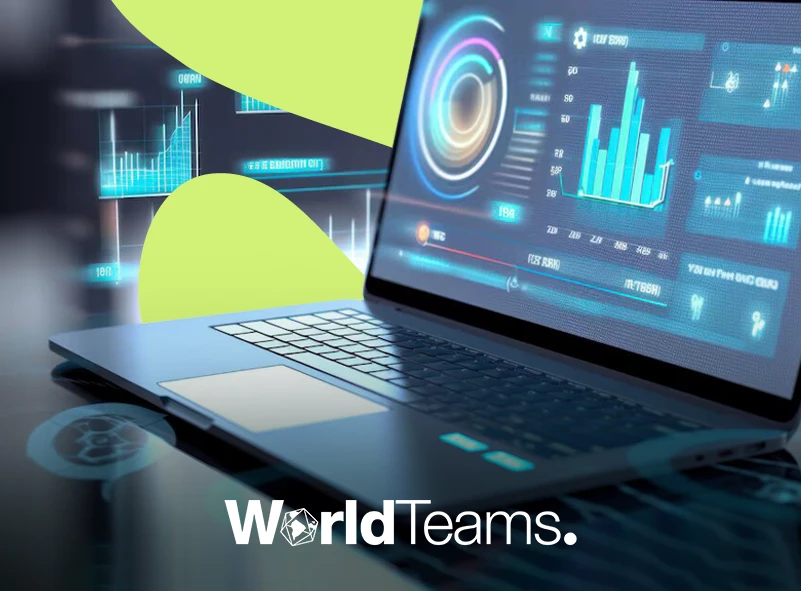
Data Warehousing and Pipelines
Data Engineers adeptly construct robust data warehouses and central repositories that integrate information from diverse sources. They then develop pipelines to automate the continuous data flow from its origin to the warehouse, ensuring accuracy and consistency.
Data Transformation and Cleaning
Raw data often contains inconsistencies, errors, and formatting issues. Data Engineers apply their expertise in data wrangling – transforming and cleaning the data – to remove these inconsistencies and prepare it for analysis.
Big Data Technologies
Modern organizations generate massive datasets that traditional data management solutions struggle to handle. Data Engineers leverage big data technologies like Hadoop and Spark to efficiently process and analyze these complex datasets, unlocking hidden patterns and trends.
Data Lake Management
Data Engineers can also create and manage data lakes, flexible storage repositories for housing all your organization’s raw data, structured and unstructured. This allows for future exploration and analysis without predefining the data’s purpose.
Cloud Integration
With the increasing adoption of cloud computing, Data Engineers play a crucial role in seamlessly integrating on-premises data with cloud-based solutions. This empowers them to build scalable and cost-effective data infrastructure.
By implementing these solutions, a Data Engineer streamlines your data management processes, enhances data quality, and empowers your business with the tools needed to extract meaningful insights.
Ready to reduce costs and free up time?
Hire a Data Engineer!Data Engineering Services for Success
Our team of highly qualified and experienced Data Engineers goes beyond simply building data infrastructure. We offer comprehensive data engineering services that cater to your specific business needs, helping you unlock the true potential of your data.
Here’s how our Data Engineering Consulting Services can empower your organization:
Data Strategy Development
Our Data Engineers collaborate with your stakeholders to understand your business goals and challenges. We then work with you to design a data strategy that leverages data analytics to drive informed decision-making across your organization.
Data Lake Implementation and Management
We can help you build and manage a data lake that acts as a central repository for all your organization’s structured and unstructured data. This allows you to explore your data for new insights, even if the use case wasn’t initially defined.
Advanced Analytics Integration
Our Data Engineers work seamlessly with Data Scientists and Analysts to ensure your data infrastructure integrates with advanced analytics tools and platforms. This allows your data science team to leverage their expertise and extract the most valuable insights from your data.
Machine Learning Enablement
Data is the fuel for machine learning algorithms. Our Data Engineers ensure your data is readily available, high-quality, and structured appropriately for building and deploying robust machine learning models.

How Can Data Engineering Empower Your Business?
Data, the lifeblood of modern organizations, is key to unlocking a treasure trove of insights to propel your business forward. However, without the proper infrastructure and expertise, this valuable resource remains trapped, hindering your ability to make informed decisions and achieve strategic goals. This is where Data Engineering Services comes in, bridging raw data and actionable intelligence.
By partnering with a qualified Data Engineering team, you gain access to a comprehensive suite of services designed to empower your organization and transform data into a competitive advantage. Here’s a glimpse into the transformative benefits you can expect:
Become a Data-Driven Powerhouse
Data Engineering services pave the way for a data-driven culture within your organization. We help you establish a data strategy that outlines data collection, storage, analysis, and utilization across all departments. This empowers employees at all levels to leverage data insights for informed decision-making, fostering a culture of data-driven problem-solving.
Actionable Insights for Immediate Impact
Our Data Engineers transform your raw data into a readily consumable format, enabling you to generate real-time reports and dashboards. These insights empower you to make crucial business decisions quickly and confidently, ensuring you stay ahead of the curve in the ever-evolving market landscape. Imagine identifying and addressing customer churn in real time or optimizing marketing campaigns based on up-to-the-minute customer behavior data. This is the power of data engineering as a service (DEaaS) – providing the tools and infrastructure to make impactful decisions based on the latest data.
Unlock Business Potential Through Informed Innovation
Data analysis isn’t just about reactive decision-making. By leveraging advanced analytics tools and techniques, our Data Engineers empower you to discover hidden trends and patterns within your data. This foresight allows you to predict customer behavior, anticipate market shifts, and identify new business opportunities before competitors.
Unparalleled Efficiency and Cost Savings
Traditional data management solutions can be complex and expensive. Our Data Engineers streamline your data architecture by implementing scalable and cost-effective solutions. This reduces your IT infrastructure burden and frees up valuable resources you can reinvest in core business functions.
Beyond immediate cost savings, data engineer services also contribute to long-term efficiency gains. Automating data pipelines and optimizing data storage significantly reduce the time required to access and analyze data. This translates to faster project turnaround times and quicker time-to-market for new products and services.
Our Data Engineering Tools and Technologies
Building Bridges with Technology
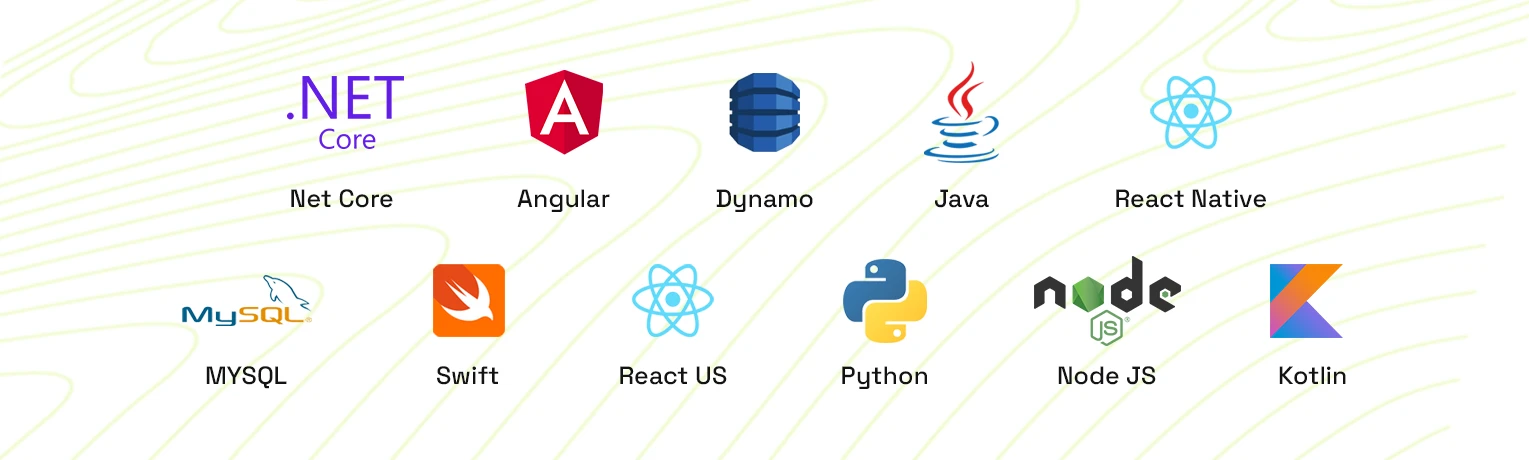
Our Data Engineering professionals worldwide leverage a unified approach, utilizing the most advanced tools and technologies to ensure seamless collaboration regardless of location. We partner with leading cloud providers like AWS, Azure, and GCP, offering scalability and flexibility for your global data infrastructure.
Toolkit for Success
Data Platforms
We leverage robust platforms like Databricks, Cloudera, and Snowflake to handle diverse data processing and storage needs.
Data Observability
Tools like Datadog, Grafana, and Prometheus provide real-time insights into your global data pipelines, ensuring smooth and efficient operation.
DataOps
We automate and orchestrate your data workflows across the globe with DataOps tools like Apache NiFi, Airflow, and debt, fostering collaboration and efficiency
Data Transformation
Apache Beam, Talend, and Informatica empower our teams to transform data efficiently, preparing it for analysis regardless of location.
Data Quality Testing
Testing tools like Great Expectations, Deequ, and Talend enable our global professionals to proactively identify and address data quality issues, ensuring data integrity.
Open Source Advantage
Our commitment to open-source technologies empowers you to benefit from cost-effective, industry-leading data engineering solutions. This approach ensures our professionals and clients can access the most effective tools without additional licensing costs.
Let’s Unlock the Power of Data
The global business landscape demands a data-driven approach that transcends borders and time zones. At WorldTeams, we understand the complexities of managing data across world teams. Our team of highly skilled and geographically dispersed Data Engineers is equipped with a unified approach and cutting-edge technology stack, ensuring seamless collaboration and efficient data management, regardless of location.
Don’t just take our word for it. Schedule a free, personalized demo today and experience the power of our Data Engineering services firsthand. During your demo, one of our trained professionals will:
1. Challenges and data landscape: This in-depth discussion allows us to tailor our solutions to your unique requirements.
2. Craft a Customized Roadmap: Based on your needs and goals, we’ll present a clear and actionable roadmap for implementing data engineering solutions that empower your business to unlock the full potential of your data.
3. Showcase Our Technology Expertise: Witness firsthand the power of the data engineering tools and technologies we leverage to ensure robust, scalable, and cost-effective data management across your global organization.
4. Answer Your Questions: Our team is dedicated to transparency and open communication. We’ll answer any questions you may have about our services, technology stack, or approach to data engineering.
By partnering with WorldTeams, you gain a trusted advisor with a global reach. We are confident that our Data Engineering services can empower you to make data-driven decisions and achieve your strategic objectives confidently.
Ready to unlock the transformative potential of your data? Book your free demo today!

Looking to make smarter business decisions?
Frequently Asked Questions
What does a data engineer build?
The plumbing that gets data from where it is created to where it is used. That means pipelines extracting from source systems, and the transformations that make different systems agree with each other. Then the warehouse or database where results land. Then the scheduling and monitoring that keeps all of it running unattended. They also build the checks that catch a pipeline silently producing wrong numbers. That is the failure mode that matters most, because nobody notices it. An analyst consumes what an engineer builds. On a small scale one person does both. The roles separate when the volume, the number of sources, or the consequences of being wrong justify the split. Below that point, splitting them adds coordination without adding capability. It is a common way to spend money early.
When does a firm genuinely need a data engineer?
Later than most vendors suggest, and the honest answer costs us work. The real signals are these. Your analyst spends most of their time extracting and cleaning rather than analyzing. Reports take days to produce because somebody assembles them by hand every time. Several systems hold contradictory versions of the same number and nobody can say which is right. Or the volume has genuinely outgrown what a spreadsheet or a direct query can handle. If none of those are true, you do not need this role yet. Building a data platform anyway produces infrastructure that nobody uses. Start with an analyst and let the need prove itself over a couple of quarters of real work. We would rather say that than sell a project that ends up sitting unused for a year.
How is data quality and lineage handled?
With tests and documentation, the same way code quality is. Automated checks run on every pipeline execution. Row counts within expected ranges. No unexpected nulls in required fields, referential integrity, and totals reconciling against the source system. A pipeline that fails silently is worse than one that stops, so failures alert somebody rather than being discovered a month later in a meeting. Lineage means being able to answer where a number came from, through every transformation, back to the system that produced it. Without that, nobody can settle a disagreement about a figure. Definitions belong in a documented catalog. Most reporting arguments turn out to be disagreements about what a single word means, rather than about the data itself. Settling the definitions in writing ends more disputes than any dashboard ever has.
How are access and privacy managed inside a data pipeline?
By deciding what should be in the pipeline at all, before deciding who can see it. Personal and sensitive data is often collected out of habit rather than need, so the first question is whether a field belongs in the warehouse. What does belong is protected. Access by role rather than by person. Masking or aggregation of sensitive fields, encryption in transit and at rest, and audit logging of who queried what. Development and testing run on anonymized data rather than on live records. The NIST Privacy Framework is a practical reference for structuring this without a compliance department. It pairs with the cybersecurity framework that governs access generally. These are your systems and your obligations. No supplier arrangement transfers either of them. Anyone implying otherwise is worth avoiding entirely.
Which platforms do data engineers work in?
Whatever your business already runs, and the modern set is well established. Warehouses are usually Snowflake, BigQuery, Redshift or a straightforward PostgreSQL database, which is more than sufficient for most firms. Ingestion runs through Fivetran, Airbyte or custom code. Transformation is commonly dbt with SQL. Orchestration runs on Airflow, Dagster or the scheduler your cloud platform provides. The advice that saves the most money here is to start with the smallest thing that works. A well-organized PostgreSQL database and a scheduled script solve a large share of business reporting problems. The elaborate architecture can wait until something actually breaks. Accounts and licenses stay in your name throughout the engagement. The strongest argument for starting small is simple. A system somebody else can understand is worth more than an elegant one only its author can operate.
Explore other Most Wanted Professionals











More on technology and delivery
Browse all articles →
Think You Can’t Afford 3D Renders? Think Again
Think 3D renders are out of reach? Discover how outsourcing makes high-quality visualizations, boosting projects without breaking the bank.
Read article →
You Won’t Believe What CAD to BIM Conversion Can Do For Your Project
Discover how CAD to BIM conversion revolutionizes architectural projects, boosting efficiency, cutting costs, and enhancing collaboration.
Read article →
Architectural CGI: Transforming the Way We Visualize Buildings
Discover how architectural CGI are changing building design. Explore its benefits and outsourcing solutions with WorldTeams.
Read article →