

Updated September 2026
Solar
Engineer
Bring a remote solar engineer onto your team to design PV systems, size arrays, and produce permit-ready plan sets to local code, in your time zone (AutoCAD, PVsyst, Aurora, Helioscope). WorldTeams pre-screens for hands-on solar design experience and matches you with talent from the top 3% of Latin American applicants.
- Top tier professionals
- US experience
- Your same timezone
- Cancel anytime
+370 COMPANIES TRUST US
and we’ve placed more than 750 professionals
How can Solar Engineering bring you Clean Energy?
The sun is a giant ball of burning gas, pouring an unimaginable amount of energy onto our planet every second. Solar energy engineering is the ingenious field dedicated to capturing a tiny fraction of this energy and transforming it into usable power for our homes, businesses, and even entire cities. But this transformation isn’t as simple as flipping a switch. Solar engineers face a multitude of challenges to efficiently harness this clean and abundant resource.

The Science Behind Photovoltaic Cells
One key challenge is photovoltaic (PV) cell technology. Solar engineers constantly strive to improve the efficiency of these cells, which convert sunlight into electricity. This involves researching new materials, optimizing cell design, and developing innovative manufacturing processes.
System Design and Engineering
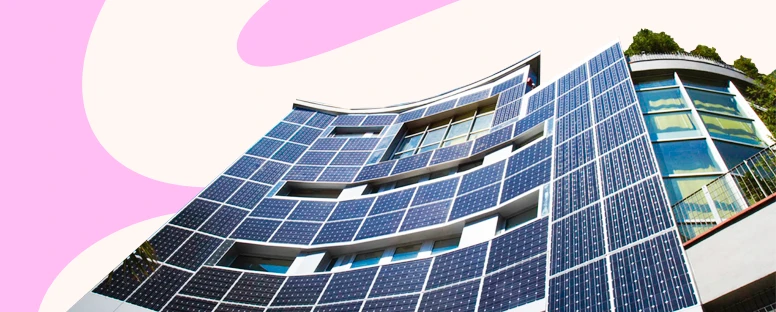
Additionally, solar engineers grapple with the challenge of system design and optimization. They meticulously analyze factors like sunlight exposure, roof pitch, shading patterns, and energy consumption needs to create a solar power system that delivers the maximum benefit. This involves intricate calculations, computer modeling, and selecting the most appropriate components – from solar panels and inverters to mounting systems and electrical wiring.
Ready to delegate your workload to top-tier professionals?
Hire a Solar Engineer here!
The Power of Thermal Solar Systems
The scope of solar engineering extends beyond just electricity generation. Thermal solar systems are another area where these engineers work their magic. They design and implement solar heating and hot water systems, allowing buildings to leverage the sun’s energy for space heating and water needs. This reduces reliance on conventional fossil fuels and contributes significantly to a more sustainable future.
Collaboration Across Engineering Disciplines
The intricate interplay between various engineering disciplines is another hallmark of solar engineering. Electrical engineers ensure the safe and efficient conversion and transmission of solar-generated electricity. Mechanical engineers design robust mounting systems that can withstand diverse weather conditions. Materials engineers research and develop innovative materials for solar cells and other system components. Software engineers develop sophisticated tools for system modeling, performance monitoring, and data analysis. This collaborative approach, where different engineering specialties come together, unlocks the potential of solar energy.

Providing Cutting-Edge Solar Engineer Solutions
We’re passionate about harnessing the sun’s power to create a brighter future and offer a comprehensive suite of solar solutions, from the initial spark of concept design to meticulous on-site inspections.
Our team is the heart of WorldTeams. We boast a collective of seasoned solar engineers who are experts in maximizing solar energy capture and designing high-performing systems. Their dedication to excellence extends beyond design – our team of skilled technicians ensures flawless installation and ongoing maintenance to keep your solar system running smoothly for years.
We don’t just talk innovation, we deliver it. WorldTeams has a proven track record of crafting cutting-edge solar engineer solutions that meet your needs and exceed expectations. Our systems are built to endure, guaranteeing reliable, clean energy generation for the long haul.
Solar Engineer Services:
Powering your Next Project
Conceptual Design and Feasibility: Our engineers will take your vision and transform it into a blueprint for success. We’ll assess your property’s solar potential, considering factors like sunlight exposure, roof characteristics, and energy needs.
Energy Usage Analysis: We delve deep into your historical energy consumption to understand your unique energy profile. This empowers us to design a solar system that effectively offsets your energy usage and reduces your reliance on the grid.
Energy Production Estimates: Leveraging our expertise and sophisticated modeling tools, we’ll provide you with accurate projections of your solar energy production. This allows you to confidently forecast cost savings and environmental impact.
Utility Interconnection Drawings and Applications: Navigating the intricacies of connecting your solar system to the grid can be complex. WorldTeams streamlines the process by handling all the necessary drawings and interconnection applications with your utility provider.
PV Design and Layout: Our engineers meticulously design the optimal placement of your solar panels, maximizing sunlight capture and ensuring seamless integration with your roof structure. We utilize cutting-edge software to optimize panel layout and tilt angles for peak efficiency.
Electrical Engineering: WorldTeams’ electrical engineers ensure the safe and efficient conversion and transmission of your solar-generated electricity. We design the electrical balance of system (BOS) components, ensuring compatibility and optimal system performance.
BESS (Battery Energy Storage System) Integration: Considering battery storage to maximize your solar energy use? Our team expertly integrates BESS into your solar system, allowing you to store excess solar energy for use during peak demand hours or even power outages.
EV Charging Station Integration: WorldTeams can seamlessly integrate electric vehicle (EV) charging stations into your solar system, allowing you to power your car with clean, homegrown energy.
Structural Analysis and Design: Our team of structural engineers ensures your roof can safely support the weight and wind loads of your solar panels. We may even design additional structural reinforcements if necessary.
Independent Solar Engineer Services: Need an objective assessment of an existing or proposed solar system? WorldTeams offers independent engineering services, providing unbiased evaluations for peace of mind.
On-Site Inspection Services: Our meticulous on-site inspection services ensure your solar system is installed correctly and functioning optimally. We offer pre-construction inspections, post-installation inspections, and ongoing maintenance inspections.
Navigating the Outsourcing Landscape
While outsourcing work offers numerous benefits, remember, it’s not without its nuances. Like any strategic decision, careful planning and execution are crucial for success. So, before you embark on your outsourcing journey, consider these essential elements:
Choosing the Right Partner
Think of this as finding your perfect business soulmate. Conduct thorough research and due diligence to select a reputable and reliable outsourcing partner with a proven track record in your industry. Look for certifications, references, and testimonials to ensure they align with your values and expectations. Remember, a trustworthy partner can make all the difference.
Clear Communication
Imagine a symphony where everyone plays a different tune. Outsourcing thrives on clear communication. Clearly define the tasks, deliverables, and expectations for the outsourced work. Create detailed documentation, hold regular meetings, and establish open communication channels to avoid misunderstandings and ensure everyone is on the same page. Remember, clear communication is the bridge to successful collaboration.
Cultural and Time Zone Differences
The world is a tapestry of cultures and time zones. Be mindful of potential cultural and time zone differences to facilitate smooth communication and collaboration. Invest in cultural sensitivity training, schedule meetings that accommodate different time zones, and embrace open communication to bridge any cultural gaps. Remember, respect and understanding foster successful partnerships.
There’s no need to worry about these aspects that might be challenging when it comes to outsourced work. At WorldTeams, we help companies build international teams that maximize efficiency. Our talent solution helps you find the best professionals out there, and manage them like if you had an external HR office. What makes us different is the experience and skills of our people and our completely unconventional approach to outsourcing.
Quality Control
Trust but verify. Establish clear quality standards and performance metrics to monitor the outsourced work and ensure it meets your expectations. Conduct regular performance reviews, provide constructive feedback, and implement quality control measures to guarantee you receive the desired outcome. Remember, consistent monitoring ensures you get the value you deserve. We’ll be there to support you all the way through!
At WorldTeams we have a dedicated Account Manager that will be your strategic partner when working with our professionals, and Core Coaches that act as mentors for our professionals’ career growth and development.
In Conclusion
When approached strategically, outsourcing work can be a powerful tool for businesses seeking to optimize costs, enhance efficiency, and gain access to specialized skills. Companies can leverage outsourcing work to gain a competitive edge and achieve their business goals by carefully considering the benefits, potential drawbacks, and best practices.
Remember, it’s not just about cost savings; it’s about unlocking agility, expertise, and a world of possibilities for your business to thrive. So, step into the vibrant outsourcing marketplace, explore the diverse offerings, and discover the key that unlocks your company’s full potential.
By collaborating with WorldTeams, you access our unparalleled expertise and knowledge when it comes to outsourced work. We recognize that every project is unique, and our talent pool of the best professionals the world has to offer can help create customized solutions that align with your specific requirements and goals. We can guide you through the process of outsourcing and help you leverage the benefits of doing so.
So whether you are a firm looking for ideal team members, or are in need of a specific professional, WorldTeams is your trusted partner.
- Access to a global pool of the top 3% of engineers
- Competitive pricing
- A streamlined onboarding process
- Dedicated account managers & coaches
- Quality assurance checks
Today is the day you can change your old patterns and habits and start integrating the group of the future: innovative teams doing their magic wherever you are.
If you are interested in learning more about our services, reach out for a free consultation today!

Hire a Solar Engineer now!
Frequently Asked Questions
What does a remote solar engineer produce for a PV project?
A permit and construction package for the array. That means site and array layout, module and inverter selection, string sizing, and single line and three line diagrams. It also means conductor and overcurrent protection sizing, grounding, labeling, equipment schedules, and the attachment details for the mounting system. Ahead of that sits the feasibility work: shading analysis, production modeling, and an energy estimate built from the site's own consumption history. After it comes the utility interconnection paperwork. The engineer works as a named member of your team, on your templates and your sheet standards. The design is reviewed and sealed by your own licensed engineer. Residential, commercial rooftop, ground mount, and carport layouts are all in scope. Where the array loads a roof beyond its original design, the structural review runs alongside a structural engineer rather than being assumed away.
Can a remote solar engineer prepare the utility interconnection drawings and application?
Yes, and it is one of the first tasks firms hand off. It is procedural work that stalls a project whenever nobody on the team has time for it. The engineer prepares the single line diagram, the equipment specifications, the site plan, and the application package in the format the utility requires. When comments come back, they handle the resubmittal. Interconnection rules are set by each utility and by the state commission, on top of the technical requirements in IEEE 1547 for distributed energy resources. So the package is built against that specific utility's current rules rather than a generic template. Filing, correspondence with the utility, and the commitments made in the application stay with your firm. We produce the documents, you own the relationship. Compare the hours this consumes today against what the same package costs to produce remotely.
Which codes and standards govern a solar PV design in the United States?
The National Electrical Code is the core of it. Article 690 covers photovoltaic systems and Article 706 covers energy storage, both published by the NFPA and adopted with amendments state by state. Structural loading follows the building code and ASCE 7 for wind and snow on the array. Fire access and setback requirements come from the International Fire Code and from local fire marshal rules. Rapid shutdown, labeling, and disconnect requirements draw the most inspection comments, so they are worth checking early rather than late. Interconnection adds IEEE 1547 and the utility's own technical requirements. We screen candidates for experience in the code cycle your jurisdiction has actually adopted, which is often a version or two behind the newest one. Federal incentives change independently of the codes, and the U.S. Department of Energy publishes the current picture.
Does a solar package need a licensed PE, and who signs it?
Most jurisdictions require a licensed professional engineer to seal the structural and electrical drawings for anything beyond a small residential system. That seal comes from your side. Licensure among the engineers we place varies by person and by country. Ask for each candidate's status while you are qualifying them. What firms use them for is the analysis, calculations, layout, and drawing production that a licensed engineer then reviews and seals. That keeps the licensed staff you already pay for on review rather than on production. We do not stamp drawings. We do not represent anyone as licensed in the United States, and we do not pursue permits on your behalf. If your deliverable requires a licensed engineer at a specific step, say so up front and we match the team to it.
Can the same engineer handle battery storage and EV charging on the same project?
Usually yes, because storage and EV charging are electrical scope built on the same single line diagram. Battery storage adds sizing against the load profile, inverter and battery selection, and protection coordination. It also brings the requirements of NEC Article 706, plus the fire separation and ventilation rules that apply to the enclosure. EV charging adds service capacity analysis, panel and feeder sizing, a load management strategy, and the charger layout itself. On commercial projects the added demand often forces a service upgrade study. That study is worth running before the array layout is fixed, not after the roof plan is done. Where the scope grows past what one person can carry, the engineer works alongside the broader MEP team on the same project. Introducing a second vendor mid-design is what usually breaks the coordination.
Explore other Most Wanted Professionals











Free resources for your next hire
See all free resources →Hiring kitsMEP Engineer Job Description Template and Hiring KitPost an MEP Engineer role with a complete job description, official US pay data for mechanical and electrical engineers, interview questions and a test.Open the kit →TemplatesSubmittal Log Template for Architects and ContractorsTrack every submittal from spec section to final action in one free spreadsheet, with status, dates and reviewer columns ready to use.Get the template →ToolsWhat a US Architecture Hire Really Costs: Hiring Cost CalculatorCalculate the true cost of hiring an architect in the US: salary, benefits, recruiting and the weeks a desk sits empty, to compare with a remote hire.Use the calculator →
More on engineering support
Browse all articles →
‘Near Me’ Is the Worst Way to Staff Your Firm in 2026
Searching “best architect staffing agency near me”? In 2026 “near me” is the wrong filter. The 7 things that actually matter when vetting a staffing partner.
Read article →
Steel Frame vs Wood Frame: What Builders Need to Know
A guide for builders comparing construction methods, timeline, and performance of steel frame vs wood framing.
Read article →
Passive House Design: Maximizing Energy Efficiency
Discover how passive house design maximizes energy efficiency, reduces costs, and shapes the future of sustainable architecture.
Read article →