

Updated September 2026
Hydraulic
Engineer
Expand your team with a remote hydraulic engineer who models stormwater, drainage, and water-resource systems to U.S. standards, in your time zone (HEC-RAS, StormCAD, Civil 3D). WorldTeams vets every candidate for hydrology and hydraulics experience and matches them to your firm from the top 3% of Latin American talent.
- Top tier professionals
- US experience
- Your same timezone
- Cancel anytime
+370 COMPANIES TRUST US
and we’ve placed more than 750 professionals
What does a Hydraulic Engineer do?
From the mighty dams that hold back surging rivers to the intricate plumbing that powers our machines, the invisible hand of a Hydraulic Engineer shapes our world. Hydraulic Engineers are the masterminds behind the efficient and controlled movement of fluids. They design and oversee projects crucial for our infrastructure, environment, and everyday conveniences.
Our team of highly skilled hydraulic engineers boasts extensive experience in various applications. We can help you navigate anything from the fundamental question of “how does a hydraulic engine work?” to complex design challenges.
Whether you’re a homeowner seeking guidance on drainage solutions or a large-scale developer planning a new water management system, we have the expertise to bring your vision to life. We are your one-stop shop for all things hydraulic!

The expertise of our Hydraulic Engineers
Our dedicated hydraulic engineers are passionate about the power and potential of fluids. They deeply understand fluid mechanics, thermodynamics, and civil engineering principles. This multifaceted knowledge allows them to tackle a diverse range of projects, including:
Water Resources Management: We design and optimize systems for efficient water use, flood control, and irrigation.
Civil Infrastructure: From bridges and dams to levees and drainage systems, our engineers ensure these vital components’ structural integrity and functionality.
Industrial Applications: We optimize hydraulic systems for machinery, power generation, and manufacturing processes, maximizing efficiency and safety.
Environmental Sustainability: Our engineers design solutions that minimize environmental impact while maximizing resource utilization.

Our team doesn’t shy away from a challenge. We leverage cutting-edge technology and software, including AutoCAD, HEC-RAS, and SWMM, to model and analyze complex fluid systems. This meticulous approach ensures your project functions flawlessly and meets all regulatory requirements.
While technical proficiency is paramount, our hydraulic engineers understand the importance of clear communication and collaboration. They work closely with clients to understand their needs and translate them into effective engineering solutions. Our team also fosters strong relationships with contractors, architects, and other stakeholders to ensure a seamless project execution.
Ready to build amazing structures?
Leading Hydraulic Engineering Projects
Here’s a breakdown of what our Hydraulic Engineers do:
Project Leadership
They spearhead hydraulic projects from concept to completion, ensuring efficiency and cost-effectiveness.
Design & Optimization
They research, analyze, and design optimal hydraulic systems like water networks, wastewater facilities, and stormwater management.
Collaboration & Planning
They work with various teams to develop detailed designs, plans, and specifications, considering factors like water quality, flow, and environmental impact.
Modeling & Simulation
They use specialized software to predict system performance, identify potential issues, and propose solutions.
Site Evaluation & Improvement
They conduct site visits, assess existing infrastructure, and recommend improvements or upgrades
Communication & Reporting
They prepare clear reports, presentations, and documentation for stakeholders, clients, and regulatory bodies.
Innovation & Advancement
They stay current with advancements in hydraulic engineering, integrating innovative technologies into projects.
Mentorship & Guidance
They provide technical guidance and support to junior engineers, fostering professional development.
Collaboration with External Teams
They work with external parties like contractors and suppliers to ensure timely project delivery.
Safety Focus
They adhere to safety protocols and promote a safe work environment.
Expertise & Value of Partnering with WorldTeams
We believe in the power of collaboration. By partnering with our hydraulic engineers, you gain access to:
Unmatched Expertise
Our team’s extensive experience ensures you receive the best possible solutions tailored to your specific needs.
Innovative Solutions
We push the boundaries of hydraulic engineering, constantly seeking out new technologies and approaches to optimize your project.
Cost-Effective Strategies
We prioritize efficiency and value, ensuring your project delivers optimal results within budget.
Sustainable Practices
Environmental responsibility is a core value. Our engineers design solutions that minimize environmental impact while maximizing resource utilization.
Skills and Traits of a Successful Hydraulic Engineer
Hydraulic engineers rely on a unique blend of technical expertise and personal qualities to excel in their field. Here’s a closer look at some of the key areas:
Technical Skills
Software Proficiency: Hydraulic engineers leverage specialized software like HEC-RAS and AutoCAD to model and analyze fluid systems.
Civil Engineering Knowledge: A strong understanding of civil engineering principles is crucial for designing and overseeing infrastructure projects.
Math & Analytical Skills: Complex calculations and data analysis are fundamental to hydraulic engineering.
Personal Traits
Creativity: The ability to develop innovative solutions for diverse fluid-related challenges is essential.
Communication Skills: Effective communication with clients, contractors, and other stakeholders ensures project success.
Problem-Solving: Hydraulic engineers are adept at identifying and resolving complex fluid flow issues.
Understanding the Bigger Picture
Hydraulic engineering plays a vital role within the broader field of water resources engineering. While hydraulic engineering focuses on applying fluid mechanics to water flow in specific systems, water resources engineering takes a more comprehensive view.
Here’s how they work together:
Water Resources Engineering
This field takes a holistic approach, studying the entire water cycle – how water moves between the atmosphere, land, and oceans. This knowledge is crucial for managing our water resources sustainably.
Hydraulic Engineering
Our hydraulic engineers leverage their expertise in fluid mechanics to design and optimize systems that utilize or manage water flow. This includes projects like designing dams, managing waterways, and mitigating flood risks.

Benefits of this Combined Expertise
By understanding both the big picture (water resources engineering) and the finer details of fluid flow (hydraulic engineering), we can deliver superior solutions for your project. This combined knowledge ensures:
1. Efficient Water Management: We design systems that optimize water usage and minimize waste.
2. Sustainable Practices: We prioritize environmental responsibility in every project.
3. Effective Flood Control: Our expertise helps mitigate flood risks and protect infrastructure.
Our team of hydraulic engineers is here to partner with you and ensure your project seamlessly integrates with the broader water resources picture.
Our Hydraulic Solutions
Whether you’re seeking a simple consultation or a comprehensive hydraulic engineering solution, we’re here to help. Let our team of experts guide you toward a successful and sustainable project.
Additionally, for those seeking a dedicated hydraulic engineer for hire, we offer flexible engagement models tailored to your specific project needs.

Hire a Hydraulics Engineer now!
Frequently Asked Questions
What does a hydraulic engineer do that a civil engineer on the same project does not?
A hydraulic engineer answers how water moves through the project, in numbers. That means hydrologic analysis, open channel and pressurized flow modeling, and storm and sanitary sewer sizing. It also means detention and retention design, culvert and outfall structures, pump station hydraulics, and floodplain work. A civil engineer covers the wider site: layout, grading, utilities, roadway geometry, and the overall permit set. The two overlap, and on a small site one person carries both roles comfortably. They separate when the water question is what drives the design. That happens on a site with a regulated stream, a large detention requirement, or a drainage complaint that has to be defended to a reviewer. WorldTeams staffs the specialist when the calculation is the risk, and the generalist when the site is. Both work your hours and to your standards, on the software your office already licenses.
Which stormwater and drainage deliverables can a remote hydraulic engineer produce?
Drainage reports, hydrologic and hydraulic calculations, storm sewer design, and detention or water quality facility sizing. Add to that grading and drainage plans, culvert and channel design, erosion and sediment control plans, and the exhibits a reviewer asks for at resubmittal. On larger sites the scope extends to floodplain analysis, watershed modeling, and pump station design. The engineer produces the calculation package alongside the drawings, which is what shortens the review cycle. Most drainage comments come back on the numbers rather than on the linework. Everything is documented against the local drainage manual, since municipal criteria vary more in stormwater than in almost any other discipline. Your licensed engineer of record reviews and seals the submittal. The pairing that carries most site packages is a hydraulic specialist working alongside the civil engineering scope on the same project.
Which modeling software do remote hydraulic engineers work in?
HEC-RAS, HEC-HMS, SWMM, StormCAD and WaterCAD, HY-8 for culverts, and AutoCAD Civil 3D for the grading and drainage production that comes out of the model. Watershed and floodplain work usually pairs one of those models with GIS in ArcGIS or QGIS. The engineers we place have run these packages on U.S. projects. During onboarding they adopt your project templates, model naming, and report format instead of introducing their own. If your firm standardizes on something that is not on that list, say so during qualification and we match for it. Retraining someone on an unfamiliar solver is time you would be paying for twice. Model files, input assumptions, and the calculation record come back with every deliverable. That way your reviewer can audit the run rather than trust it, which is the only version of quality control that survives an agency comment.
Do remote hydraulic engineers work to U.S. stormwater regulations?
Yes, and the binding layer is usually local rather than federal. Construction sites over one acre need coverage under the EPA's NPDES construction stormwater program, or its state equivalent. That drives the erosion control plan and the stormwater pollution prevention plan. On top of it sits the municipal or county drainage manual. That manual sets the design storms, allowable release rates, and water quality volumes that actually shape the design. State DOT criteria apply where the project touches a right of way. Candidates are matched to the regulatory environment your projects sit in, so ask each one which drainage manuals and state criteria they have designed to. The design is documented so a reviewer can follow the path from criteria to result. The seal on the submittal stays with your licensed engineer of record, as it does across every discipline we staff.
How do I keep quality control over hydraulic work I did not do myself?
By treating the calculation record as part of the deliverable, and by knowing exactly who ran it. Ask for the model inputs, the design criteria the run was built against, and the assumptions list with every submittal. That turns your review into an audit instead of a re-run. Because the professional works in your time zone, a question on an assumption is answered the same day rather than overnight. You interview and approve the specific person before they start, and they work only on your projects. The engineer who ran the model last month is the one who explains it this month, which is not true of a rotating production pool. A dedicated Account Manager stays on the relationship throughout. An engineer who cannot hand you the assumptions list is asking you to trust the number rather than check it.
Explore other Most Wanted Professionals









Free resources for your next hire
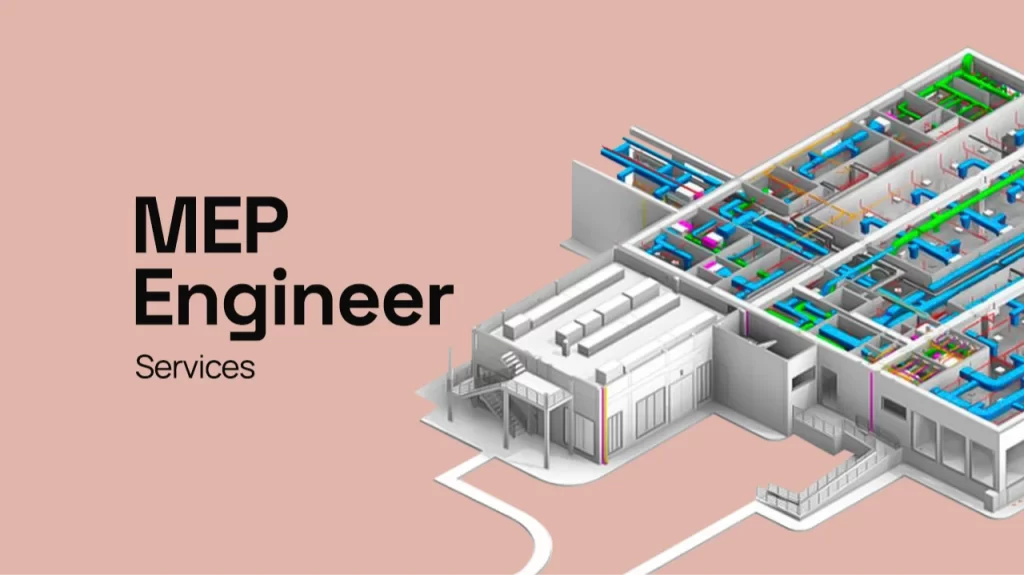
See all free resources →Hiring kitsMEP Engineer Job Description Template and Hiring KitPost an MEP Engineer role with a complete job description, official US pay data for mechanical and electrical engineers, interview questions and a test.Open the kit →TemplatesSubmittal Log Template for Architects and ContractorsTrack every submittal from spec section to final action in one free spreadsheet, with status, dates and reviewer columns ready to use.Get the template →GuidesArchitect Salary Guide 2026: Pay by Role and StateOfficial US wage data for architects, drafters, engineers and designers, by percentile and by state, so you can budget your next hire with real numbers.Read the guide →
More on engineering support
Browse all articles →
‘Near Me’ Is the Worst Way to Staff Your Firm in 2026
Searching “best architect staffing agency near me”? In 2026 “near me” is the wrong filter. The 7 things that actually matter when vetting a staffing partner.
Read article →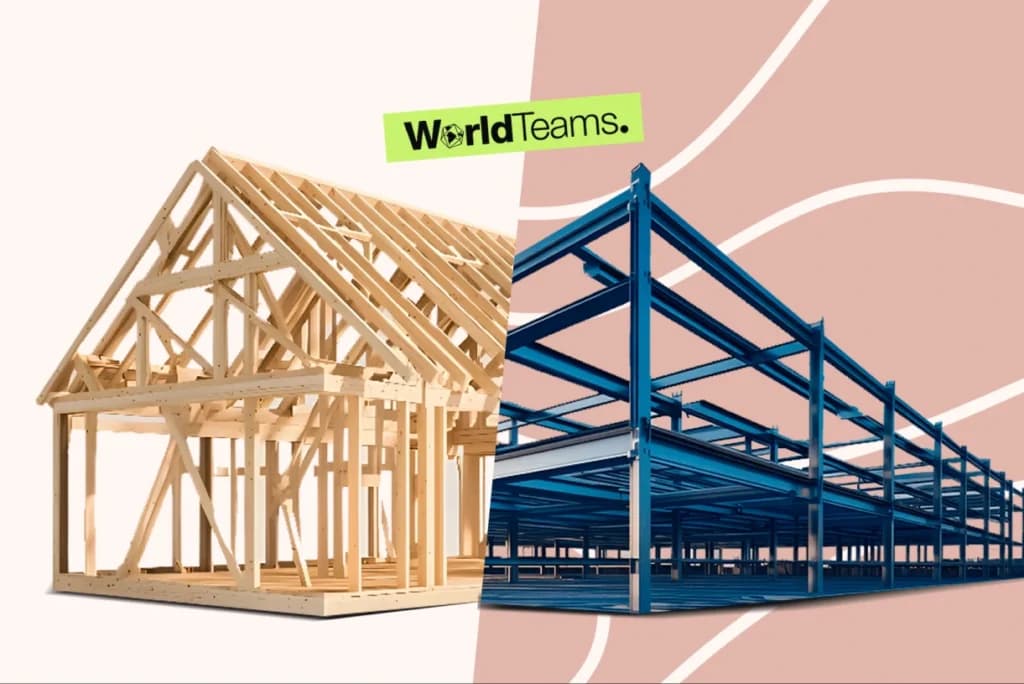
Steel Frame vs Wood Frame: What Builders Need to Know
A guide for builders comparing construction methods, timeline, and performance of steel frame vs wood framing.
Read article →
Passive House Design: Maximizing Energy Efficiency
Discover how passive house design maximizes energy efficiency, reduces costs, and shapes the future of sustainable architecture.
Read article →