
Updated September 2026
Road and Highway Engineering
- Top tier professionals
- US experience
- Your same timezone
- Cancel anytime
+370 COMPANIES TRUST US
and we’ve placed more than 750 professionals
A Smoother Ride with Roads and Highways Engineering
Our expertise in Road and Highway Engineering stretches across the country, with projects encompassing more than 10,000 miles (16,000 kilometers) of road network. We don’t just build roads; we design smart corridors that integrate seamlessly with evolving transportation needs, paving the way for a brighter future.
We encompass a wide range of delivery methods, from traditional to the latest integrated approaches. We tackle complex challenges, from intricate highway interchanges to sophisticated tolling systems and comprehensive corridor management plans.
Understanding the challenges of traffic congestion and aging infrastructure faced by transportation departments today, our team of Road and Highway Engineering experts brings innovative solutions to the table. We focus on saving time, maximizing project value, minimizing traffic disruptions, and enhancing safety, all while fostering stronger connections within communities.

Building Connections Safely and Efficiently
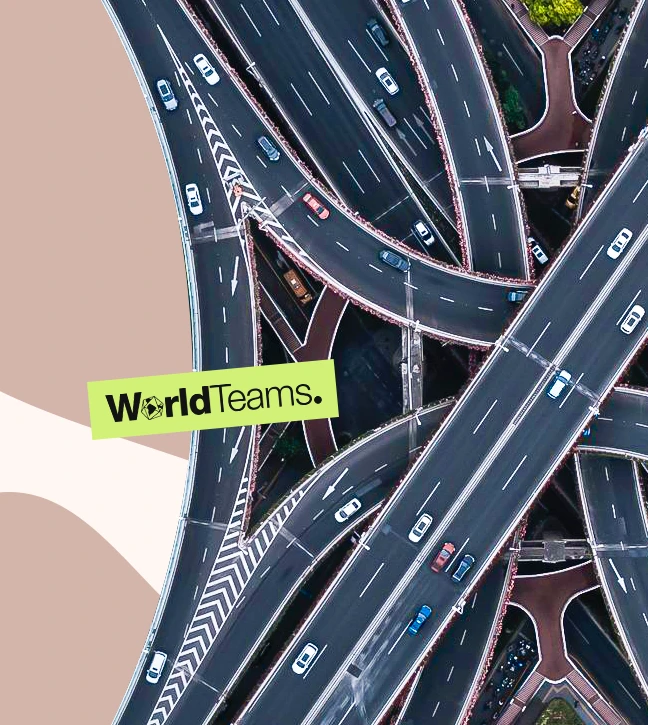
Transportation engineers, including roadway engineers, road design engineers, and even specialists in road race engineering, all play a crucial role in shaping our communities. They design the infrastructure that connects people and places, fostering economic growth across the nation.
But a well-designed road is more than just asphalt and lanes. It requires a delicate balance. Our team of experts considers everything from traffic flow and pedestrian safety to environmental impact and the latest regulations. We prioritize smooth construction processes to minimize disruption and ensure projects stay on budget and on time.
We understand your needs, whether it’s adding a turn lane for improved traffic flow, designing a complex interchange, or even realigning an existing road. We provide clear and comprehensive road designs that contractors can easily understand. We act as an extension of your team, collaborating to create roadways that meet your vision, budget, and schedule. And when unforeseen challenges arise, our engineers deliver economical solutions quickly and efficiently.
Let us be your partner in building tomorrow’s safe and efficient roadways.

Navigate your Road Construction Project smoothly.

Some of Our Services
Building on the foundation you’ve laid out, let’s delve deeper into the specific services your company offers within Roads and Highways Engineering. Here are some ideas incorporating your keywords:
Comprehensive Road and Highway Design
Our team of road design and roadway engineers specialize in crafting innovative and sustainable road solutions. We utilize the latest design software and industry best practices to create functional, safe, and aesthetically pleasing roadways.
Traffic Flow Optimization
Our transportation engineers understand the complexities of modern traffic patterns. We employ advanced traffic modeling techniques to identify bottlenecks and congestion points. This allows us to design road improvements that optimize traffic flow, minimize commute times, and enhance the driving experience.
Interchange and Intersection Design
Complex interchanges and intersections demand expertise in road engineering and traffic management. Our team boasts specialists in these areas, ensuring vehicles’ smooth and efficient flow even at high-volume junctions.
Road Race Engineering
We offer specialized road race engineering services for projects requiring a high-performance surface and safety considerations. Our team can design racetracks and performance driving facilities and even incorporate elements of road race engineering into public roadways for a more engaging driving experience.
Smart Corridor Integration
We recognize the future of roads lies in smart infrastructure. Our engineers integrate innovative technologies like intelligent traffic management systems and connected vehicle infrastructure (CVI) into our road designs, creating smart corridors that are adaptable, efficient, and meet the evolving needs of transportation.
Project Management and Delivery
From concept to completion, our team of experienced professionals efficiently manages your roads and highways projects. We offer a variety of delivery methods, including traditional design-bid-build and innovative integrated project delivery (IPD) approaches. This ensures we meet your needs and budget while minimizing risks and delays.
By combining these specialized services under the Road and Highway Engineering umbrella, we provide a comprehensive approach to building smarter, safer, and more efficient transportation systems.
Qualifications for Success in Roads and Highways
The success of any road and highway project hinges on the expertise and dedication of the professionals involved. Here’s a glimpse into the qualifications our professionals have:
Educational Background
A strong foundation in civil engineering is paramount. We look for candidates with a Bachelor’s degree in Civil Engineering or a closely related field, like Transportation Engineering.
Technical Expertise
Road design engineers and roadway engineers require proficiency in industry-standard design software like AutoCAD Civil 3D, InRoads, and MicroStation. Understanding relevant design codes and regulations (AASHTO, MUTCD).
Experience
While entry-level opportunities exist, most positions benefit from relevant experience. Experience in highway design, traffic analysis, construction management, or related fields is highly valued.
Problem-Solving Skills
Roads and highway projects rarely unfold without unforeseen challenges. Our engineers excel at critical thinking and developing creative solutions to maintain project timelines and budgets.
Communication and Collaboration
Effective communication is key. Road engineers collaborate with a diverse team, including designers, surveyors, contractors, and public officials. Clear communication ensures everyone is on the same page, fostering a smooth and efficient project workflow.
Teamwork
Road and highway projects are inherently collaborative endeavors. We value team players who can work effectively within a team environment, sharing knowledge and expertise for a successful outcome.
Investing in our team’s professional development remains a top priority. We encourage ongoing education and participation in industry conferences to ensure our engineers stay abreast of the latest advancements in road and highway design.
Finding the Right Professionals
We understand the complexities of assembling a top-notch team for your road and highway projects. At WorldTeams, we specialize in connecting your project needs with highly qualified professionals in the field. Our expertise ensures you find the perfect fit, whether you require experienced road design engineers, traffic flow specialists, or project management professionals.
Benefits of partnering with WorldTeams:
- Access to a global pool of the top 3% of professionals
- Competitive pricing
- A streamlined onboarding process
- Dedicated account managers & coaches
- Quality assurance checks
- Cost efficiency
Ready to build your Dream Team?
Don’t settle for anything less than the best. Contact us today for a free consultation, and let us help you assemble the winning team for your next road and highway project.

Hire a Highway Engineer Now!
Frequently Asked Questions
What does a remote roadway engineer deliver on a transportation project?
Roadway geometry and the plan set that comes with it. That means horizontal and vertical alignments, typical sections, cross sections, and earthwork quantities. It also means intersection and interchange layouts, drainage coordination, signing and striping plans, traffic control and staging plans, and the quantity takeoffs behind the estimate. On corridor work the scope extends to alternatives analysis, traffic operations modeling, and the exhibits that go into a public submittal. The engineer works on your templates and on your agency's CAD standards, which on DOT work are usually stricter than a private client's. Your engineer of record reviews and seals the submittal, as always. Where the project needs quantities priced as well as measured, the roadway scope pairs with a cost estimator on the same team. That avoids the numbers being rebuilt twice by two different people.
Do remote roadway engineers design to AASHTO and MUTCD standards?
Yes, and to the state DOT manual that sits on top of them, which is usually the document that actually governs. Geometric design follows the AASHTO Green Book and the related policy documents. Traffic control devices follow the MUTCD, published by the Federal Highway Administration. Each state DOT then issues its own design manual, standard drawings, and CAD standards, and those take precedence on its projects. Roadside safety and drainage criteria come out of the same stack. We screen candidates for experience with the specific state DOT your work is filed under. The difference between two state manuals is where most review comments come from, so it is not a detail worth leaving to chance. Accessibility of pedestrian facilities follows the ADA and the public right of way guidelines your agency applies.
Which software do remote road and highway engineers work in?
AutoCAD Civil 3D, OpenRoads Designer, and MicroStation for design and production. Most state DOTs standardize on one of the two platforms and publish their own configuration for it. Traffic operations work runs in Synchro, HCS, VISSIM, or Sidra, depending on the analysis the agency asks for. Drainage and hydraulics come from HEC-RAS, HY-8, and the DOT's own spreadsheets. Quantities and estimating run in Bluebeam against the agency's bid item structure. The engineers we place adopt your agency's workspace, seed files, level and layer standards, and sheet templates during onboarding. Nobody brings their own configuration to a project that already has one. If your work is split across two DOTs on different platforms, that is a matching requirement rather than a detail to sort out later. Tell us during qualification and we screen for both.
How does a remote engineer handle DOT submittal and review cycles?
By working inside your submittal calendar rather than around it. The engineer produces to the milestone set your agency uses. That may be preliminary, right of way, a plans specifications and estimate submittal, or a design build package. Review comments come back as a tracked disposition, not as a pile of markups nobody has sorted. Because the engineer works your hours in your time zone, a comment received in the morning is being resolved that afternoon. That matters when the response window is measured in days rather than weeks. Coordination calls, utility conflicts, and constructability reviews all happen live. Your firm holds the relationship with the agency and signs the submittal. An agency that gets a tracked disposition back reads it as a firm that has done this before.
When should a transportation firm add remote capacity instead of hiring another engineer?
When you have won work whose duration is shorter than the commitment a hire represents. Transportation workloads move with award cycles. A permanent hire made at the top of one carries through the gap that follows, after a recruitment process measured in months. Remote capacity scales with the contract instead. The professional works your hours, and the engagement carries a written replacement if the person is not the right fit. Onboarding for a standard profile takes less than 72 hours once you have selected the candidate, and specialized roles take five to seven business days. It is also how most firms cover a discipline they need occasionally rather than continuously, such as traffic modeling or roadside safety analysis. See how a firm your size structures the first hire before you decide how many you need.
Explore other Most Wanted Professionals








More on engineering support
Browse all articles →
‘Near Me’ Is the Worst Way to Staff Your Firm in 2026
Searching “best architect staffing agency near me”? In 2026 “near me” is the wrong filter. The 7 things that actually matter when vetting a staffing partner.
Read article →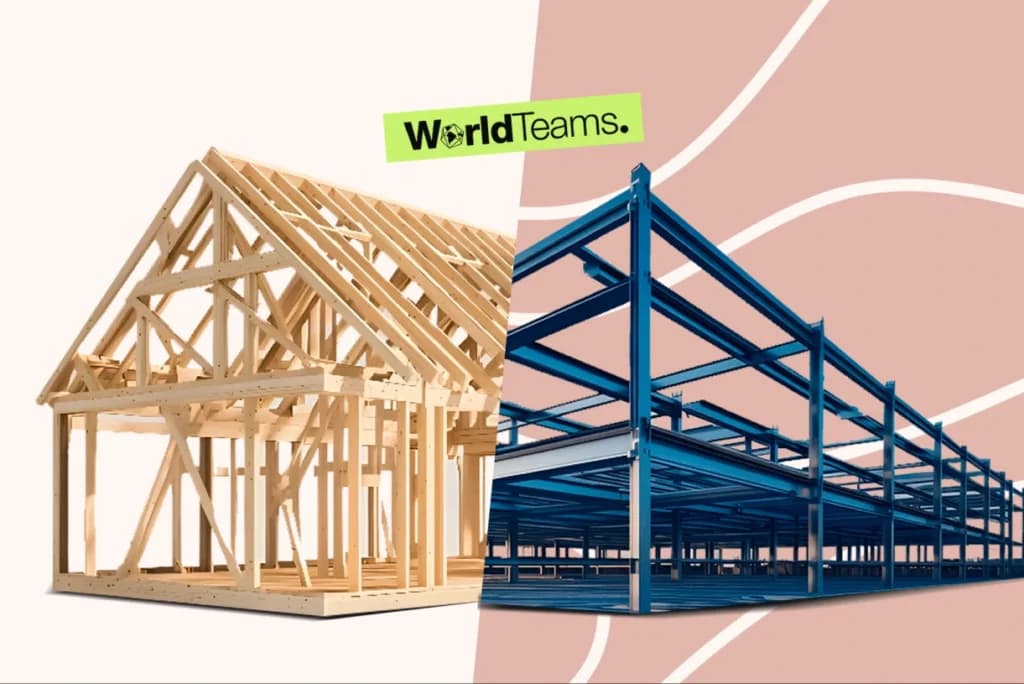
Steel Frame vs Wood Frame: What Builders Need to Know
A guide for builders comparing construction methods, timeline, and performance of steel frame vs wood framing.
Read article →
Passive House Design: Maximizing Energy Efficiency
Discover how passive house design maximizes energy efficiency, reduces costs, and shapes the future of sustainable architecture.
Read article →