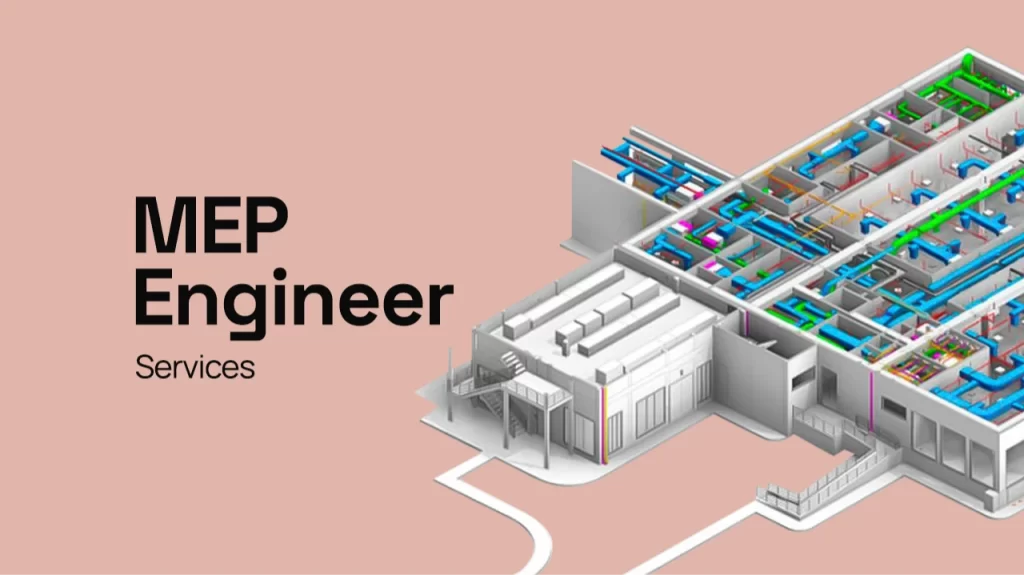
Updated September 2026
Plumbing Engineer
- Top tier professionals
- US experience
- Your same timezone
- Cancel anytime
and we’ve placed more than 750 professionals
What is a Plumbing Engineer exactly?
A Plumbing Engineer is the unsung hero of building design. They oversee the entire lifecycle of a building’s water and piping systems, from conceptualization through plumbing design and implementation to ongoing maintenance. These highly skilled professionals encompass a wide range of expertise, from ensuring a reliable potable water supply to designing efficient sanitation and drainage systems. Some plumbing engineers may even specialize in heating systems.
Plumbing designer roles can be found in various settings. Many work within architectural or engineering consultancy firms, collaborating with a team to bring projects to life. Others opt to run their own plumbing design services companies.
Hiring a plumbing engineer can be crucial for companies at various stages. Some may require their expertise only for specific projects, like installing new plumbing systems or troubleshooting complex drainage issues. Like engineering firms, others may have full-time plumbing engineers on staff for ongoing projects.
Within architectural and engineering companies, plumbing engineers are often considered senior-level personnel. They typically report directly to project managers or business owners. While their primary focus lies in the pre-construction and construction phases, some may also be involved in post-construction follow-up and repairs
Analyzing buildings to determine the most suitable plumbing systems.
Managing the design and installation of water and piping systems.
Collaborating with clients to identify the ideal plumbing equipment for their needs.
Overseeing the hiring, training, and supervision of junior plumbing engineers.
Developing detailed project drawings and design amendments.
Troubleshooting drainage issues and recommending long-term solutions.
Conducting site visits to businesses and residences to assess existing plumbing systems.
Enforcing adherence to workplace health and safety regulations.
Interpreting blueprints to meticulously plan plumbing system installations.
Replacing or repairing essential plumbing-related devices.
Assisting clients in estimating the costs of plumbing projects.
Providing regular updates on project progress to executives and investors.
Developing stormwater safety systems for public venues.
Designing and implementing efficient sewer systems.
Managing plumbing departments within construction firms.
Ready to build amazing structures?

The Skills of a Plumbing Engineer
To excel in the dynamic field of plumbing engineering, a unique blend of technical expertise, problem-solving acumen, and strong communication skills is essential. Let’s delve deeper into the skillset that equips plumbing engineers to navigate complex projects and deliver optimal results.
Technical Proficiency
The foundation of a plumbing engineer’s skillset lies in their technical knowledge. This encompasses proficiency in computer-aided design (CAD) software for creating detailed plumbing system layouts and piping plans. They must also be adept at interpreting blueprints and diagrams to ensure the seamless integration of plumbing systems with other building elements. Furthermore, a solid understanding of data analysis empowers them to calculate water flow, pressure requirements, and drainage needs, ensuring a system’s efficiency and functionality.
Problem-Solving and Critical Thinking
Plumbing projects can present unforeseen challenges. A Qualified plumbing engineer thrives in these situations, utilizing their critical thinking and problem-solving skills to diagnose issues, identify optimal solutions, and implement effective repairs or modifications. This often requires creative thinking and the ability to analyze complex scenarios to arrive at practical solutions within tight deadlines.
Communication is Key
While plumbing engineers spend a significant amount of time working with technical drawings and software, their ability to communicate effectively is paramount. They collaborate with project managers, architects, contractors, and clients, clearly explaining technical concepts in a way easily understood by those without an engineering background. Furthermore, strong written communication skills are crucial for documenting project specifications, reports, and proposals.
Attention to Detail
Success in plumbing engineering hinges on meticulous attention to detail. Even seemingly minor details, such as the material and diameter of pipes, can significantly impact the system’s performance and longevity. A keen eye for detail ensures that all components are correctly sized, specified, and installed, resulting in a reliable and code-compliant plumbing system.

Beyond the technical aspects, valuable soft skills like leadership, organization, and teamwork are often required. Plumbing engineers may oversee junior staff, delegate tasks, and manage project budgets. They also work closely with other disciplines within the construction team, fostering a collaborative environment that ensures project success.
By honing these diverse skill sets, plumbing engineers become invaluable assets, contributing to designing, developing, and implementing efficient, sustainable, and code-compliant plumbing systems for a wide range of building projects.
Building Success from the Ground Up
At WorldTeams, we understand the critical role plumbing engineering plays in the overall success of any building project. Our team of highly skilled and experienced plumbing engineers and designers offers comprehensive services to cater to your specific needs.
Here’s how we can help you:

Comprehensive Plumbing Design:
Our experts take your project from concept to completion, meticulously crafting plumbing design services that optimize water usage, minimize energy consumption, and ensure code compliance. We create detailed plumbing design drawings and specifications without room for error.
Expert Piping Design:
Our piping engineers possess a deep understanding of fluid dynamics and pressure requirements. They design efficient and cost-effective piping systems that meet your project’s unique demands and ensure optimal water flow, pressure, and drainage throughout the building.
Cutting-Edge 3D Modeling and BIM Integration:
We leverage advanced 3D modeling software and Building Information Modeling (BIM) technology to visually represent your plumbing system. This allows clash detection with other building elements and facilitates seamless coordination between plumbing and other engineering disciplines, minimizing potential issues.
Plumbing System Analysis:
Existing plumbing systems can deteriorate over time. Our team offers comprehensive plumbing system analysis services, identifying potential inefficiencies, leaks, or outdated components. Based on this analysis, we recommend necessary upgrades, repairs, or complete system replacements to ensure optimal performance.

We are committed to providing exceptional service throughout the entire project lifecycle. Our team fosters open communication, keeping you informed and involved at every step. We prioritize exceeding your expectations by delivering high-quality, efficient, and code-compliant plumbing systems that contribute to the long-term sustainability and functionality of your building.
Contact us for a free consultation today to discuss your project requirements and discover how our expert plumbing engineering services can transform your vision into reality!
Hire a Plumbing Engineer now!
Frequently Asked Questions
What does a remote plumbing engineer deliver on a commercial project?
A full plumbing package, from fixture counts through to the sheets in your construction set. That covers fixture unit loads, domestic water sizing, sanitary and vent design, storm drainage, and gas piping where it applies. It also covers riser diagrams, plumbing plans, schedules, and details. On larger projects it extends to booster pump and water heater selection, backflow prevention, and grease waste layouts. The engineer reviews existing conditions on renovation work before anything is drawn. Design decisions and the client conversation stay with your firm. WorldTeams places the professional as a named member of your team who works only on your projects. This is not a queue you submit drawings into and wait. You know who is doing your work, and you meet the person before anything starts. Plumbing is usually delegated alongside the rest of the mechanical and electrical scope rather than on its own.
Does the engineer work to the International Plumbing Code or the Uniform Plumbing Code?
Whichever one your jurisdiction adopts, and it is a question worth asking any partner before the first sheet is drawn. Most U.S. states adopt the International Plumbing Code from the ICC. California, along with a set of other states and municipalities, runs the Uniform Plumbing Code instead. The two differ on fixture unit tables, venting methods, and material approvals. A design built against the wrong one comes back at plan review, and the schedule pays for it. The engineers we place work to the code your project is filed under, with the state and local amendments on top. Documentation is in imperial units. Fixture accessibility follows the ADA and the state accessibility code that applies. If your work spans several jurisdictions, tell us during qualification. That is a selection criterion, not something to discover on the first submittal.
Can a remote plumbing engineer model piping in Revit and run clash detection with the other trades?
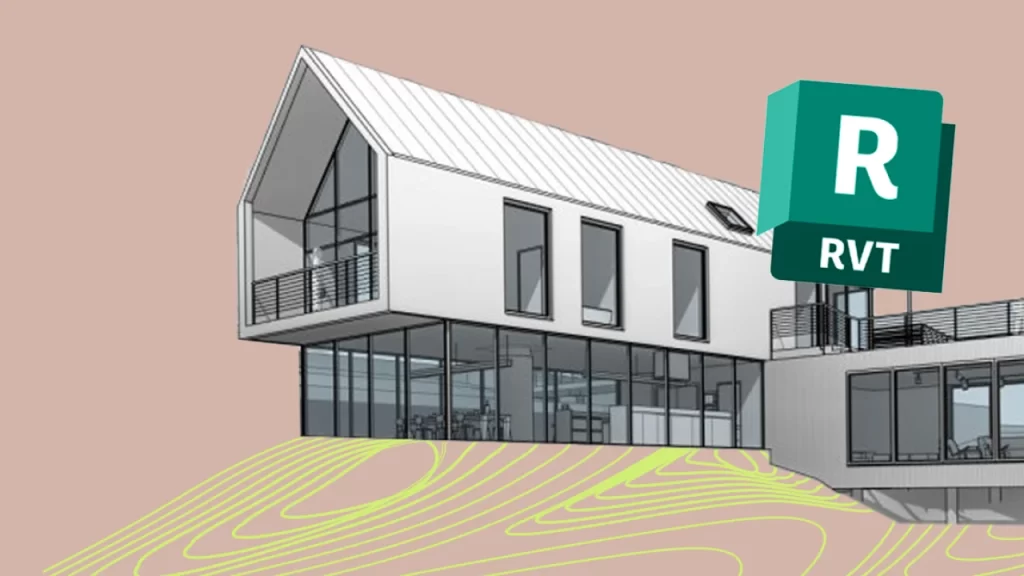
Yes, and on coordinated projects that is most of the work. Plumbing production runs in Revit MEP and AutoCAD MEP. Clash detection and coordination run in Navisworks, with model sharing through BIM 360 or Autodesk Docs. The engineer joins your coordination meetings live because they work your hours. A clash raised in the morning is resolved the same day instead of the next one. That is the difference that shows up in the schedule. Where the architectural model is being built at the same time, the plumbing scope is coordinated with a BIM Modeler on the architecture side. Firms still documenting plumbing in 2D get the same person working in AutoCAD. The deliverable is a set that matches the rest of the model. It is not a standalone file that somebody on your team has to reconcile afterwards.
Do I still need a plumbing engineer if I already have an MEP engineer on the project?
It depends on how deep the plumbing scope goes. On a straightforward building, an MEP engineer covers mechanical, electrical, and plumbing across the set. A second specialist there adds cost without adding much. On projects where plumbing carries real complexity, a dedicated plumbing engineer is what keeps the sizing defensible at plan review. That includes healthcare, laboratories, food service, multifamily towers, and anything with process piping or specialty waste. The practical question is whether your reviewer is currently correcting plumbing or approving it. We staff both ways, and we can add a structural engineer or a civil engineer to the same project. The team is assembled around the work rather than around a package we sell. Deciding that before the fee proposal goes out costs nothing, and deciding it after the first plan check costs a cycle.
How does a remote plumbing engineer join a project that is already underway?
By starting on your existing model and standards rather than on a clean sheet. Onboarding begins with your templates, your layer and sheet conventions, the model itself, and the open items list. It takes less than 72 hours for a standard profile once you have chosen the candidate. From there the engineer works inside your file structure and picks up the scope wherever it stands. They join your project channels the way an in-house engineer would, and attend the coordination calls that were already on the calendar. A dedicated Account Manager stays on the account throughout, and coaches support the professional on our side. The relationship is managed rather than left to run itself. Mid-project starts are the common case here, not the exception. Ask us what the first two weeks actually look like before you commit to anything.
Explore other Most Wanted Professionals
More on engineering support
Browse all articles →
‘Near Me’ Is the Worst Way to Staff Your Firm in 2026
Searching “best architect staffing agency near me”? In 2026 “near me” is the wrong filter. The 7 things that actually matter when vetting a staffing partner.
Read article →
Steel Frame vs Wood Frame: What Builders Need to Know
A guide for builders comparing construction methods, timeline, and performance of steel frame vs wood framing.
Read article →
Passive House Design: Maximizing Energy Efficiency
Discover how passive house design maximizes energy efficiency, reduces costs, and shapes the future of sustainable architecture.
Read article →