

Updated September 2026
Design Development Architecture
- Top tier professionals
- US experience
- Your same timezone
- Cancel anytime
+370 COMPANIES TRUST US
and we’ve placed more than 750 professionals
Refining Concepts for Construction
The Design Development (DD) that follows the Schematic Design phase is a more detailed and refined stage where design concepts and ideas are further developed. The primary goal of WorldTeams’ professionals in this phase is to translate the approved schematic design into a more comprehensive and detailed set of drawings and documents that can be used for construction.
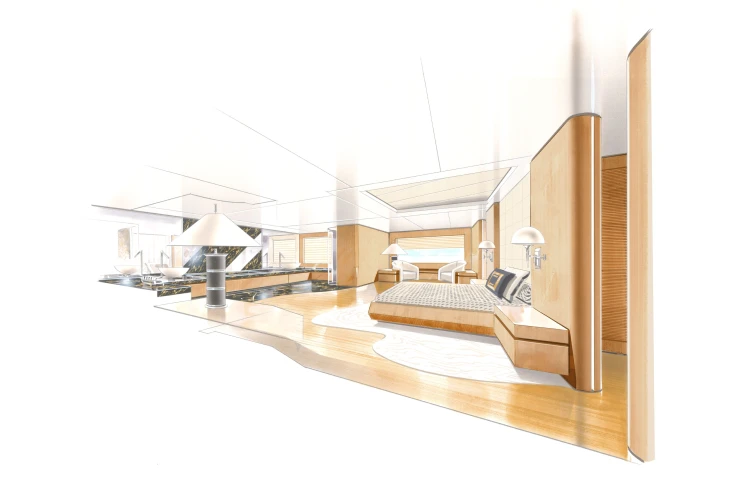
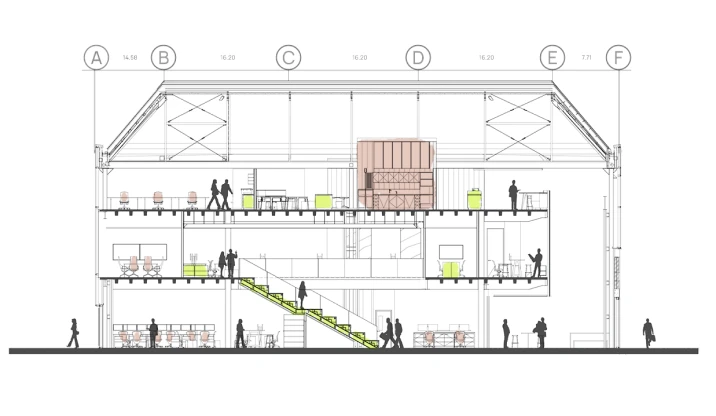
During the DD phase, our remote architects and designers refine the design based on feedback from the client. The focus shifts from conceptual exploration to the technical aspects of the design. This phase involves specifying materials, systems, and components more precisely and addressing structural, mechanical, electrical, and other technical considerations.
The aim is to create a design that is aesthetically pleasing but also functional, safe, and feasible to build within the given budget.
Key activities and outcomes
of the Design Development Architecture phase typically include:

Refinement of Design Concepts
Take the selected design concept from the Schematic Design phase and refine it based on client feedback and technical considerations.
Space Planning and Layout Refinement
Further develop and refine the layout and spatial arrangement of the building’s components.
Detailed Drawings
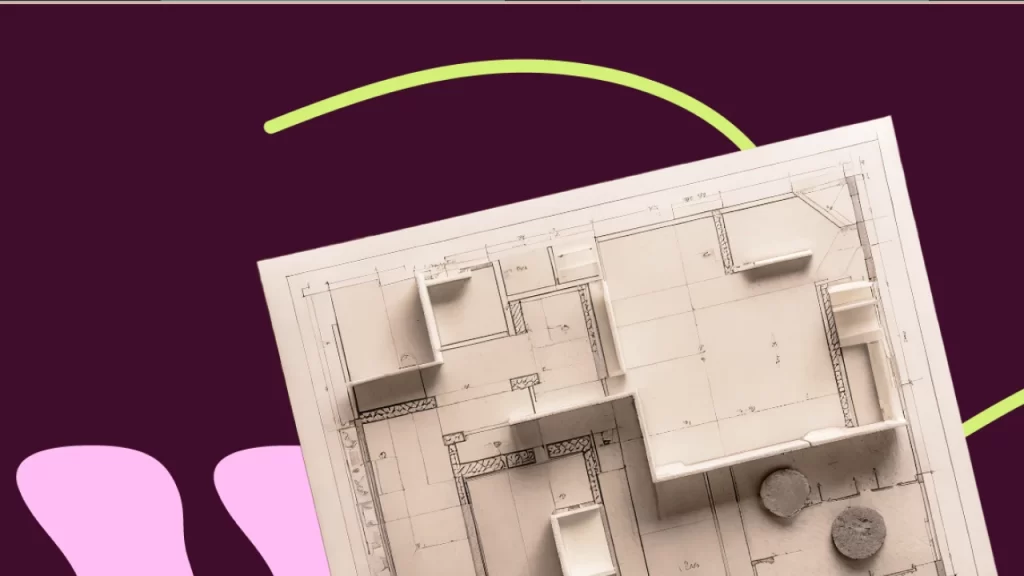
Create more detailed and accurate floor plans, elevations, sections, and 3D models that illustrate the design with greater precision.
Material and Finish Selection
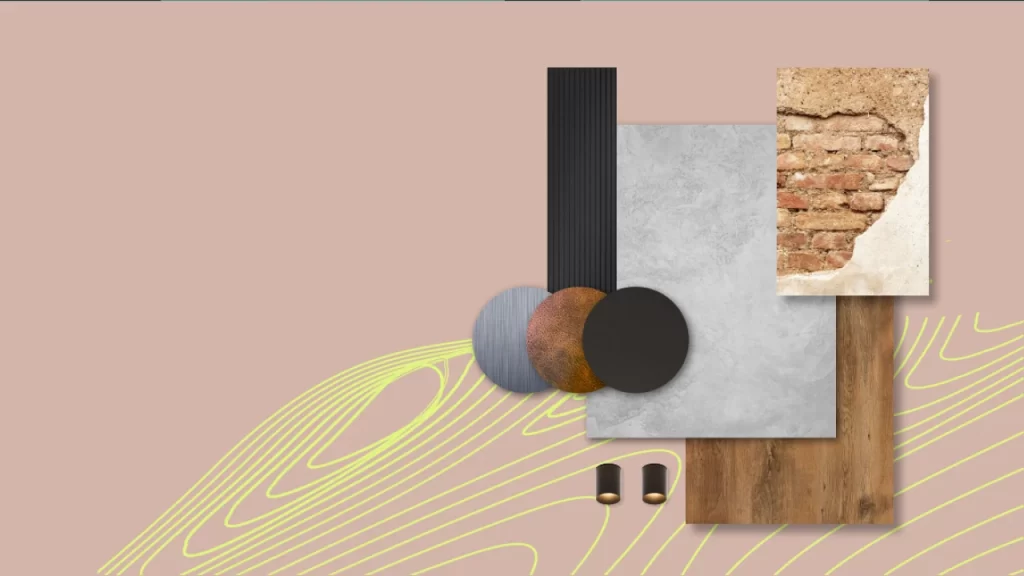
Identify specific materials, finishes, and colors for different building parts,, considering aesthetic, durability, and functionality.
Structural and Engineering Coordination
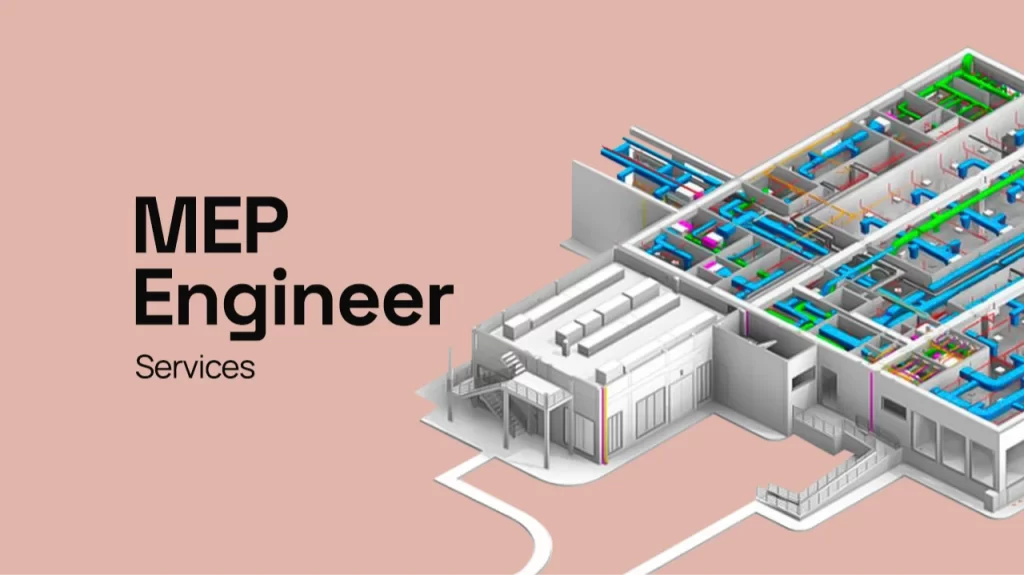
Collaborate with structural engineers and other consultants to integrate technical systems, structural elements, and building systems into the design.
Code Compliance
Ensure the design meets local building codes, regulations, and zoning requirements.
Cost Estimation
Develop a more accurate cost estimate based on the refined design helps the client assess whether the project is within their budget.
Client Approval
Present the refined design for approval and further feedback.
Following Steps
By the end of the Design Development phase, the design should be well-defined, with detailed drawings and documents that clearly understand the project’s scope, materials, and technical aspects. While the Design Development phase is more detailed than the Schematic Design phase, it still precedes the final phase, Construction Documents, where the design is documented in a comprehensive set of drawings and specifications that contractors will use to build the project.
Access the TOP 3% OF TALENT
Our professionals have experience working for the US, speak fluent English, and work in the same time zone. That’s why we offer flexible contracts, allowing you to decide how much and for how long you need their expertise. Every step of the design and construction process is crucial and influences decisions that will be made in subsequent phases.
Building Future, beyond frontiers.
In WorldTeams, we’ve got the talent.
Why work with us?
Cost Effective
Hiring highly-skilled nearshore talent unlocks cost savings of 50% compared to US-based professionals
Flexible contracts
You can choose your type of contract: full, part or flex and switch between these options with no strings attached
HR department of your dreams
Our pre-screening ensures we present only motivated candidates aligned with your culture and an onboarding process in just 72 hours!
100% satisfaction guaranteed
If you’re not satisfied, we’ll give your money back – no questions asked

Hire quality professionals
Frequently Asked Questions
What happens during design development, and what does a remote architect do in it?
Design development turns an approved concept into a resolved building. The plan gets dimensioned properly and wall types are decided. Materials and finishes are selected, structure and building systems are integrated, and the drawings become accurate rather than indicative. A remote architect does the resolving work underneath your direction. They develop the model, produce the DD drawing set, and build the schedules. They also coordinate the consultant input. And they re-run the code and zoning checks as the design changes, against the code cycle the ICC publishes and your state amends. Your firm keeps the design decisions, the client meetings, and the approvals. DD is where most of the hours in a project quietly go, and where a firm most often finds its senior people drafting. That is the specific problem this phase is usually delegated to solve.
Can I outsource design development without giving up design control?
Yes, and the way to keep control is procedural rather than contractual. Three habits do most of it. Set the design rules explicitly at the start of the phase. That means the wall types, the module, the material palette, and what is not open for reinterpretation. Review at short intervals rather than at milestones, which is possible because the professional works your hours. Keep every decision that changes the design on your side of the line, in writing. What you are delegating is the resolution of decisions you have made, not the making of them. You interview and approve the specific person before they start, so you know who is holding the model. Firms that lose control of a DD phase usually lost it to vague direction, not to distance.
How does a remote architect coordinate design development with our consultants?
The same way an in-house architect does, on the same calls. Consultant models are linked into the project model, and structural and mechanical input is incorporated as it arrives. Conflicts go to the coordination meeting rather than into a private fix. The professional attends those meetings live, in your time zone, which is what makes them a participant rather than a recipient. Where your consultants work in drawings rather than models, coordination runs on overlays and issue logs instead. That is slower, and it is still workable. If a consultant discipline is itself short-staffed, the same engagement can add a structural or MEP engineer working to your standards. Your project architect still runs the coordination and makes the calls. Nothing about the consultant relationship changes, which is usually the first question a principal asks about this arrangement.
What does the design development deliverable look like at the end of the phase?
A coordinated model and a drawing set precise enough to price and to build construction documents from. Typically that means dimensioned floor plans, elevations, building sections, wall sections, reflected ceiling plans, and preliminary schedules for doors, windows, and finishes. Materials and assemblies are decided rather than described. Structural and building systems are located and sized in coordination with the consultants. An outline specification and an updated cost estimate travel with it, since the phase exists partly to test the budget against a resolved design. What separates a real DD set from a dressed up schematic is simple. Can the next phase develop it, or does it have to redo it? The deliverable list is worth settling before the phase starts, in writing, with whoever produces it. Firms define DD differently, and that disagreement always surfaces at the worst possible moment, which is the day the set is due.
When is a project actually ready to move from schematic design into DD?
When the client has approved a single scheme and the questions that would change it are answered. In practice that means the program is settled and the massing and plan organization are agreed. It also means the site and zoning envelope are confirmed, and the budget is close enough that the design is not about to be cut. Moving early is the expensive mistake. Design development resolves hundreds of decisions, and reopening the concept afterwards throws most of them away. The honest signal is whether your client is still discussing options or discussing this one. If several schemes are alive, the phase to staff is schematic design instead. Tell us where the project stands and we will say which phase the help belongs in, including when the answer is not yet.
Explore other Most Wanted Professionals





More on architecture outsourcing
Browse all articles →
What to Delegate and What to Never Outsource in an Architecture Firm
A role-by-role framework for what to outsource in an architecture firm: the production capacity you can safely delegate, and the judgment you never should.
Read article →
Why Cheaper Drafters Won’t Cut Your Costs (and What Does)
How US architecture firms cut drafting costs without losing quality: the fully-loaded cost lens, smart delegation, and QA that protects work.
Read article →
Why the Cheapest Offshore Team Can Cost You the Most
Nearshore vs. offshore architecture outsourcing compared for 2026: time zones, coordination, code familiarity, and which model fits which firm.
Read article →