Concrete Structures: Old-School, Durable, and Reliable
Share this article


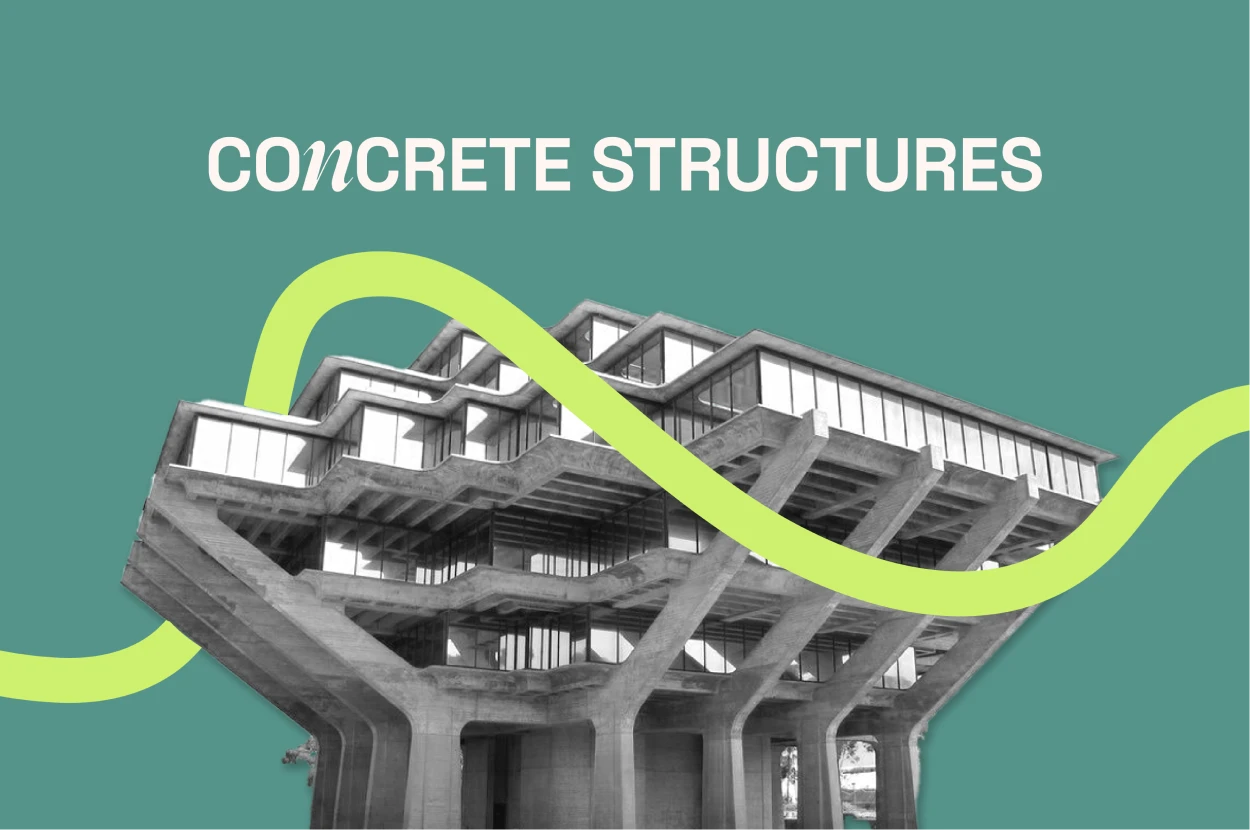
Concrete is a core material in modern design. It is strong, durable, and useful in many types of work. Tall towers and complex bridges can both rely on it.
This guide explains why concrete matters in the building field. It covers new methods for overlay and repair. It also reviews precast parts and the ways they can support a greener, more efficient build.
The guide is for architects, engineers, and anyone with an interest in building. If you need help with concrete work, we can match you with skilled architects.
Let’s get started!
Concrete Structures – And Why They Matter
Concrete structures are widely recognized. Their strength, durability, and longevity support buildings, bridges, dams, and other public works. Concrete can take great pressure. It can also resist fire and harsh weather. Those traits make it a stable choice for many projects.
Not Everything Is Oldschool – Concrete Innovations
New methods can help concrete last and perform well. Two of them are structural concrete overlay and repair.
A structural overlay adds a new layer of concrete to an old surface. The layer can improve strength, life, and looks. Teams often use it to restore worn concrete, correct a flaw, and extend service life.
Structural repair addresses cracks, spalling, corrosion, and other damage. Teams may use fiber-reinforced polymers (FRPs) or epoxy injections. These methods can restore strength and help stop more damage.
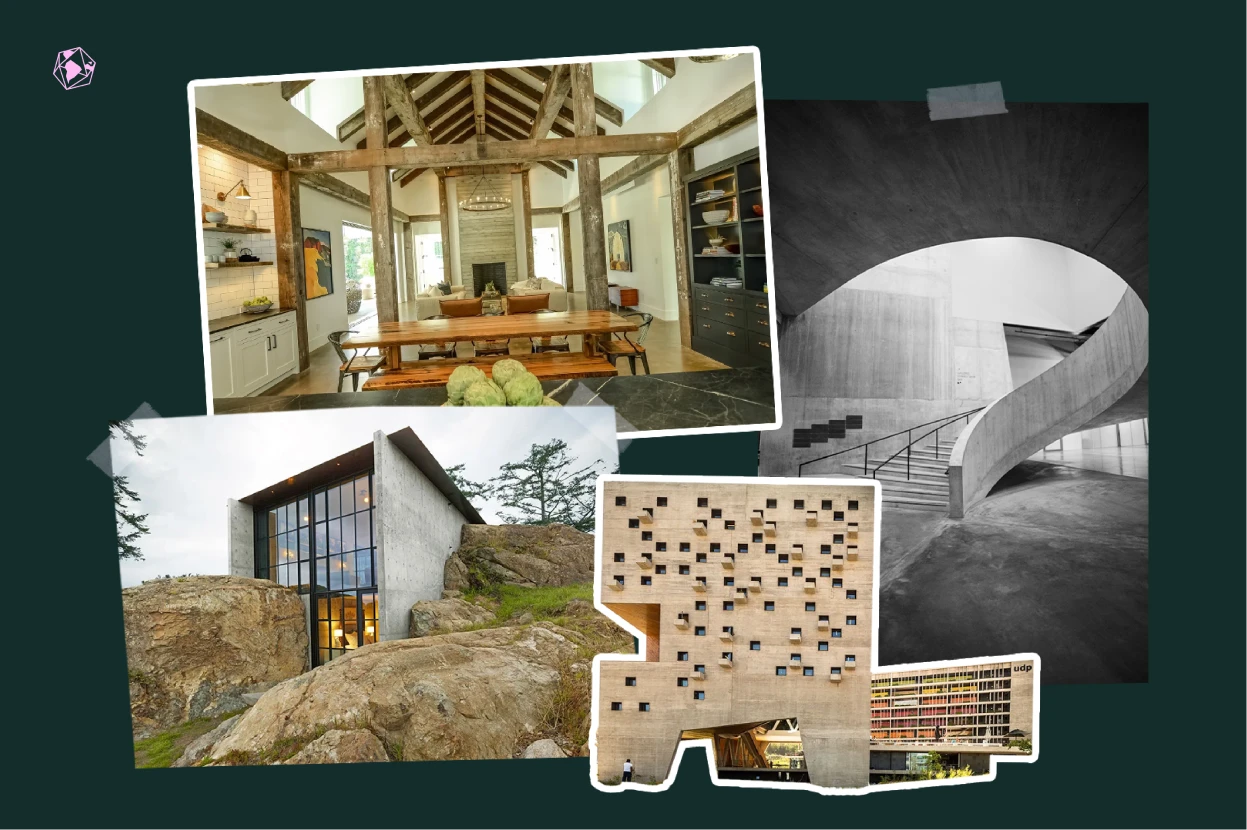
Precast Concrete Structures – Yay, Sustainability!
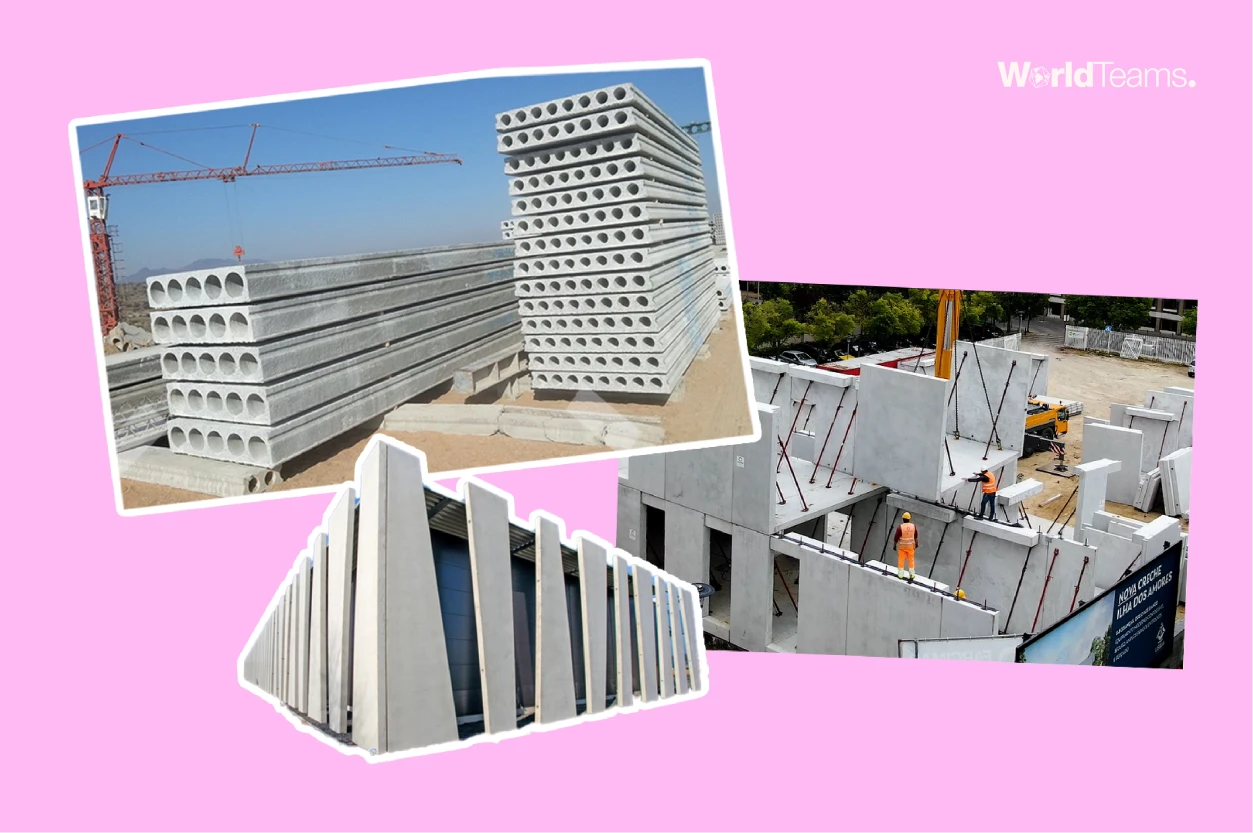
The building field now uses more precast concrete. A factory makes each part, then sends it to the site. This can offer gains in cost, speed, and green goals.
Precast parts can shorten the build and reduce waste. Factory work also aids quality control. Teams can tailor each part and add a range of design details. Precast concrete can also perform well in thermal control, which may help a building save energy.
Other Sustainable Practices in Concrete Structures
Green goals now play a larger role in concrete work. One option is to use recycled material in the mix. Recycled aggregate, fly ash, or slag can lower the impact of production. The mix can still keep the traits the project needs.
Also, advancements in concrete technology have led to the development of self-healing concrete. This material has special additives that can mend tiny cracks. That can help it last and may reduce upkeep. A longer life also means fewer repairs and lower carbon emissions from that work.
Technological Advancements – YES!
Digital tools now play a key role in concrete work. Building Information Modeling (BIM) gives a team a virtual model of the structure. Architects, engineers, and builders can use it together. They can spot a clash early and plan the build with more care.
The Internet of Things (IoT) also supports smart concrete structures. Sensors inside the concrete can track heat, moisture, and structural stress in real time. Teams can use that data to plan upkeep and spot a risk early. It may also help the structure perform better.
Structural Concrete Repair Matters – Why?
Concrete repair helps a structure stay sound and last longer. Age, harsh weather, or direct damage can cause cracks, spalling, and wear. Timely repair and maintenance can stop the damage from getting worse and help the building stay stable.
A thin bonded overlay is one common repair method. This is also known as a TF structural concrete overlay. A team bonds new concrete to the old surface. The layer adds strength, restores the look, and guards against more damage. It can work well in parking garages, bridges, and other high-traffic areas.
American repair standards set rules for safe, high-quality work. They cover materials, surface prep, repair methods, and quality checks. A skilled team should follow those rules. That helps the repair work as planned and meet industry standards.
Learn how to cut labor costs while hiring the best talent in 2026
Download our FREE guide to learn how!
Precast Concrete Structures for Efficiency and Quality
Precast concrete is popular because it can be fast, consistent, and flexible. A factory makes the parts under set conditions. Trucks then take them to the site for the team to assemble.
Precast work has several gains. A factory can make the parts while the site team gets the land ready. This can shorten the schedule and limit site disruption. Factory controls can also keep quality and size more consistent.
Precast parts can fit the needs of one project. A team can change the finish, shape, or size to reach the right look and use. The strength of precast concrete can also support long-term life and resilience.
The Way Ahead For Concrete Structures
New ideas and green goals will shape the future of concrete. Researchers and engineers keep testing new materials and ways to build. They aim to improve performance and lower the impact.
One promising area of development is the use of high-performance concrete (HPC) and ultra-high-performance concrete (UHPC). These mixes can add strength, life, and resistance to harsh conditions. HPC and UHPC may also support taller, slimmer forms with less material.
Another emerging trend is the integration of renewable energy systems in concrete structures. Solar panels, wind turbines, and other clean power tools can form part of the design. A building can then make energy and cut its carbon impact.
Furthermore, the concept of smart cities and smart infrastructure is changing how teams plan concrete work. Sensors, data tools, and AI can make a structure more aware and responsive. Teams can track it in real time, plan upkeep before a failure, and use resources with more care.
WorldTeams: Connecting Experts for Concrete Structures
Skilled architects and engineers can support a sound concrete design. WorldTeams can connect you with those people. They bring useful insights, new ideas, and the skills to turn a plan into a built project.
At WorldTeams, we connect high-end architectural professionals specialized in concrete structures and related techniques with global companies.
The right expert depends on the task. You may need help with a concept, design, structural study, or project control. Our talent pool can provide the right skill for that need.
Concrete design calls for both design and engineering skill. The team must know core design rules, structural needs, and focused methods. An expert can help bring the idea to life while protecting safety, use, and visual quality.
One of the significant advantages of working with WorldTeams is the cost-saving aspect. Our outside design service gives you access to top talent without the same overhead. A flexible team can cut project cost while keeping firm quality rules. WorldTeams has helped firms scale and save up to 60% in under two weeks. That cost gain can help bring a floating house project to life within budget.
WorldTeams matches people to the needs of each concrete project. No two projects are the same. We review the scope, then select the skills and experience it calls for. That expert can support the work from the first idea through the final stage.
Summing Up
Concrete remains a major force in building. It is strong, durable, and able to fit many needs. Overlay, repair, precast work, and green methods keep widening what teams can do with it.
Work with skilled people and the right tech can support a sound concrete project. WorldTeams can assist you in finding the right experts with the skills and knowledge to deliver exceptional results.
Concrete can be useful, appealing, sustainable, and cost-effective. The right skills and partners can unlock that range. They can also help build cities that last and use resources well.