How Residential Developers are Doubling Profits Using Global Design Teams in 2026

The New Financial Blueprint for Residential Development
The residential construction landscape in 2026 has reached a pivotal turning point where traditional business models are no longer sufficient to maintain high margins. Modern home builders are facing a unique set of challenges, including fluctuating material costs, a shortage of skilled domestic labor, and an increasingly complex regulatory environment. To navigate these hurdles, the most successful developers have pivoted toward a globalized workforce model that prioritizes efficiency and cost-effectiveness.
By integrating global design teams, residential developers are finding they can significantly reduce their operational overhead without sacrificing the quality of their architectural outputs. This shift is not just about saving money on salaries; it is about restructuring the entire development lifecycle to be more lean and responsive. When the heavy lifting of drafting, modeling, and administrative support is handled by specialized international professionals, the core domestic team can focus on high-value activities like land acquisition, investor relations, and community engagement.
The economic impact of this transition is profound. Industry data suggests that firms adopting a hybrid model—combining local leadership with global production—can see a reduction in design-related costs by as much as 40 to 60 percent. These savings directly contribute to the bottom line, allowing developers to either lower their price points to stay competitive or reinvest the capital into higher-quality finishes that attract premium buyers.
Maximizing ROI Through Global Design Integration
The primary driver behind doubling profits in 2026 is the strategic use of cost arbitrage combined with highly specialized talent. Home builders are no longer limited by the talent pool available within a 50-mile radius of their corporate office. Instead, they can tap into global hubs of excellence where architectural and engineering professionals are trained in the latest software and international building standards.
This integration allows for a massive reduction in fixed costs. Maintaining a large, in-house design department requires significant investment in office space, high-end hardware, software licenses, and comprehensive employee benefits. By transitioning these roles to a global partner, developers convert fixed expenses into variable costs. This flexibility is essential in a market where project volumes can fluctuate based on interest rates and consumer demand.
Furthermore, global teams often provide a higher level of specialization than a generalist local hire might offer. For instance, a developer might need an expert in Building Information Modeling (BIM) for one project and a specialist in sustainable landscape design for another. Accessing these niche skills on-demand through a global team ensures that every aspect of the project is handled by an expert, reducing the likelihood of costly errors during the construction phase.
while hiring the best talent in 2026
Scaling Capacity for Home Builders Without Increasing Risk
One of the greatest risks in residential development is the inability to scale quickly when a new opportunity arises. Many home builders find themselves trapped in a cycle of hiring and firing as projects start and finish. This turnover is not only expensive but also damaging to company culture and project continuity. Global design teams offer a scalable solution that allows developers to ramp up production instantly.
When a developer secures a large multi-family contract or a new subdivision, they can immediately assign the drafting and technical documentation to their global partners. This “burst capacity” ensures that timelines are met without the delay of recruiting and training new local staff. Conversely, if the market cools or a project is delayed, the developer can scale back their global utilization without the legal and emotional complications of domestic layoffs.
This scalability also extends to the diversity of services offered. A global partner like WorldTeams can provide more than just architectural drafting; they can offer administrative support, marketing material creation, and even project management assistance. This holistic support system allows the developer to keep their core team small and agile, ensuring that the company remains profitable even during periods of lower activity.
Enhancing Project Speed with 24/7 Production Cycles
The concept of the “follow-the-sun” workflow has become a competitive necessity in 2026. By utilizing teams in different time zones, residential developers can achieve a near-continuous production cycle. When the local office closes for the day, the global team receives the latest updates and continues working through the night.
– Design revisions submitted at 5:00 PM are ready for review by 8:00 AM the next morning.
– Rapid turnaround on 3D renderings allows sales teams to begin marketing units earlier.
– Permit sets and construction documents are finalized in half the traditional time.
– Coordination between different disciplines (MEP, structural, and architectural) happens synchronously across time zones.
This speed to market is a critical component of doubling profits. The faster a project moves from the planning stage to the sales stage, the less interest the developer pays on construction loans. In an era where every week of delay can cost tens of thousands of dollars in financing fees, the efficiency provided by global design teams is a direct contributor to financial success.
Leveraging Specialized Expertise for Sustainable Design
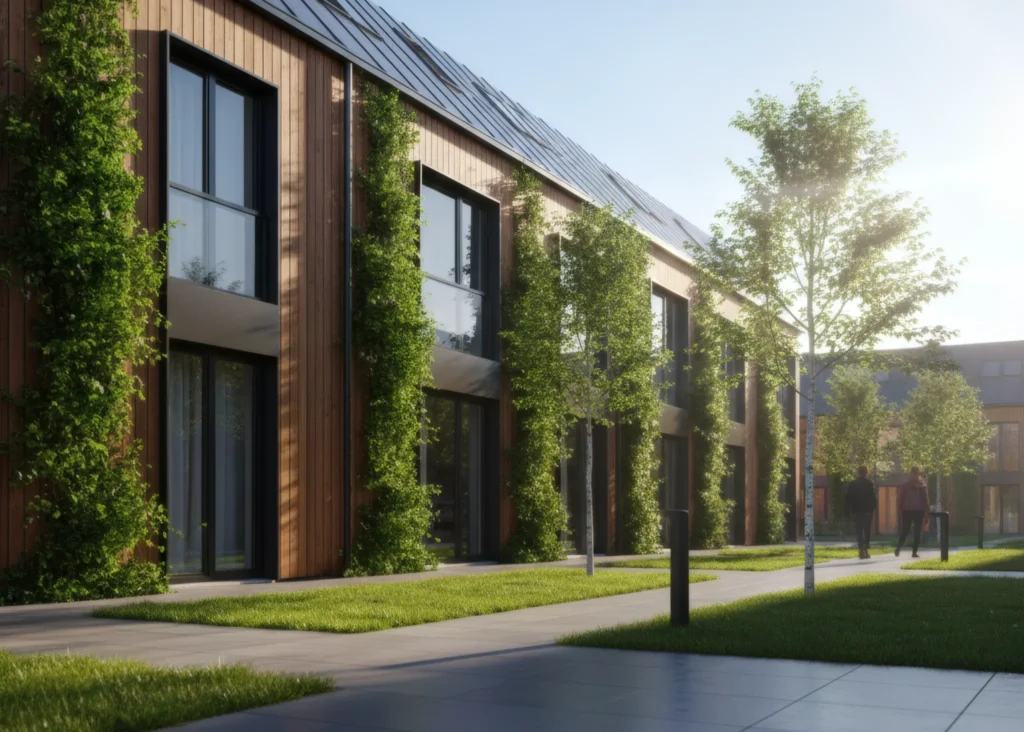
As environmental regulations become stricter, home builders must incorporate sophisticated sustainability features into their designs. Global design teams often have extensive experience with international green building standards, such as LEED or Passive House. This expertise is invaluable for developers looking to future-proof their projects and appeal to the growing demographic of eco-conscious buyers.
Integrating these features early in the design process through advanced BIM software ensures that energy-efficient systems are optimized for the specific site and climate. Global teams can run complex simulations to predict energy usage, solar gain, and thermal performance, providing developers with the data they need to make informed decisions. According to the National Association of Home Builders, sustainable features are increasingly becoming a top priority for modern homeowners, making this expertise a significant selling point.
Overcoming Traditional Barriers to Outsourcing
In the past, some developers were hesitant to look beyond their borders due to concerns about communication, quality control, and local code compliance. However, the technological advancements of 2026 have largely rendered these concerns obsolete. Cloud-based collaboration tools, real-time project management software, and high-speed video conferencing have created a seamless working environment regardless of geography.
To ensure quality, the most successful developers establish clear Standard Operating Procedures (SOPs) and utilize a dedicated project manager who acts as a bridge between the local and global teams. This structure ensures that every drawing produced meets the specific requirements of the local municipality. Global teams are also becoming increasingly adept at navigating US-specific building codes, often undergoing specialized training to stay current with International Building Code (IBC) updates.
Another key to success is the shift in perspective regarding global talent. Rather than viewing international teams as “cheap labor,” elite developers view them as a strategic extension of their own office. This relationship-based approach fosters loyalty and a deep understanding of the developer’s specific aesthetic and technical preferences, leading to higher-quality outputs over the long term.
Standardizing Digital Workflows for Maximum Efficiency
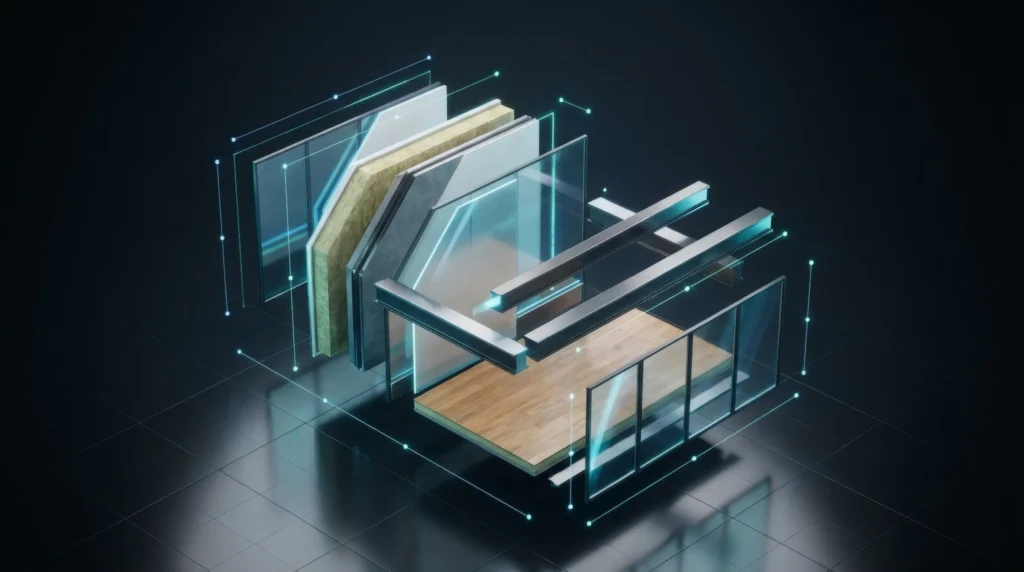
The adoption of a unified digital ecosystem is the foundation of a successful global partnership. By using platforms like Revit, BIM 360, or Procore, all stakeholders have access to a single source of truth. This transparency eliminates the risk of working on outdated files and ensures that any change made by the design team is immediately visible to the developers and contractors.
1. Implementation of cloud-based BIM modeling for real-time collaboration.
2. Use of automated quality check scripts to identify errors in drafting.
3. Centralized communication channels to reduce email clutter and lost instructions.
4. Regular virtual site visits using 360-degree cameras to keep the global team informed of onsite progress.
By standardizing these workflows, developers can ensure that their global teams are working as efficiently as possible. This technical synergy allows for a level of precision that was previously difficult to achieve with traditional, siloed design processes. The result is fewer Change Orders during construction, which is one of the most effective ways to protect and increase project margins.
The Marketing Advantage of High-End Visualizations
In the 2026 real estate market, visual storytelling is the most powerful tool for pre-selling residential units. Buyers expect to see hyper-realistic 3D walkthroughs, virtual reality tours, and high-fidelity renderings before they ever set foot on a construction site. Producing these assets in-house or through high-priced local boutiques can be prohibitively expensive.
Global design teams specialize in high-end architectural visualization at a fraction of the domestic cost. This allows home builders to create extensive marketing packages for every project, regardless of its size. When a developer can show a prospective buyer exactly what their kitchen will look like at sunset, the emotional connection to the property is significantly strengthened.
These visualizations also serve a practical purpose during the approvals process. Presenting photorealistic images to planning boards and community stakeholders can help demystify a project and ease concerns about its impact on the neighborhood. This proactive approach can lead to faster approvals and fewer costly revisions, further streamlining the path to profitability.
Transforming Administrative and Support Functions
While design and drafting are the most visible aspects of global outsourcing, the administrative and marketing support provided by international teams is equally impactful. Successful residential developers are offloading time-consuming tasks such as data entry, permit tracking, and digital marketing management to global professionals.
This shift allows the leadership of a home-building company to focus on the “big picture.” Instead of spending hours managing social media accounts or updating project schedules, they can spend their time identifying new land opportunities and negotiating with lenders. The cumulative effect of these small efficiencies is a more agile, focused, and profitable organization.
The versatility of a global partner like WorldTeams means that a developer can find support for almost any department within their company. From bookkeeping to lead generation, the ability to outsource these functions ensures that every dollar spent is contributing directly to the growth and stability of the business.
Future-Proofing the Development Business Model
As we look toward the end of the decade, the reliance on global design teams is set to become the industry standard. Home builders who resist this change risk being outcompeted by more efficient, tech-savvy firms that can deliver better products at lower costs. The ability to leverage global talent is no longer a luxury; it is a fundamental requirement for long-term viability in the residential development sector.
By embracing this model today, developers are not only doubling their current profits but also building a resilient infrastructure that can withstand future economic shifts. The combination of local market knowledge and global production power creates a formidable competitive advantage that is difficult for traditional firms to replicate.
The path to doubling profits in 2026 is clear. It requires a willingness to rethink traditional hierarchies, a commitment to digital transformation, and a partnership with a reliable global team. Those who make this transition will find themselves at the forefront of a new era of residential development, characterized by higher margins, faster timelines, and superior architectural quality.
The integration of global design teams has evolved from a simple cost-cutting measure into a comprehensive strategy for growth and innovation. By reducing overhead, increasing capacity, and leveraging specialized skills, home builders are redefining what is possible in the residential market. This strategic shift not only protects the bottom line but also enhances the overall quality of the built environment, providing better homes for residents and better returns for investors.
Ready to elevate your projects with expert architectural outsourcing? Let WorldTeams be your trusted partner for efficiency, accuracy, and growth.