Structuring Production Work Away From Design Decisions
Share this article


Key takeaways
- Production work and design decisions compete for the same hours when a firm keeps them inside the same walls and the same calendar.
- The Centre Pompidou solved a version of this problem architecturally: Richard Rogers and Renzo Piano moved structure, circulation and every building service to the exterior, color coded by function, so the interior stayed open.
- A firm can apply the same split operationally: move production work into its own visible track instead of letting it share design time.
- WorldTeams places one dedicated, pre-vetted professional per engagement, in the firm's own time zone, to carry that separated production track.
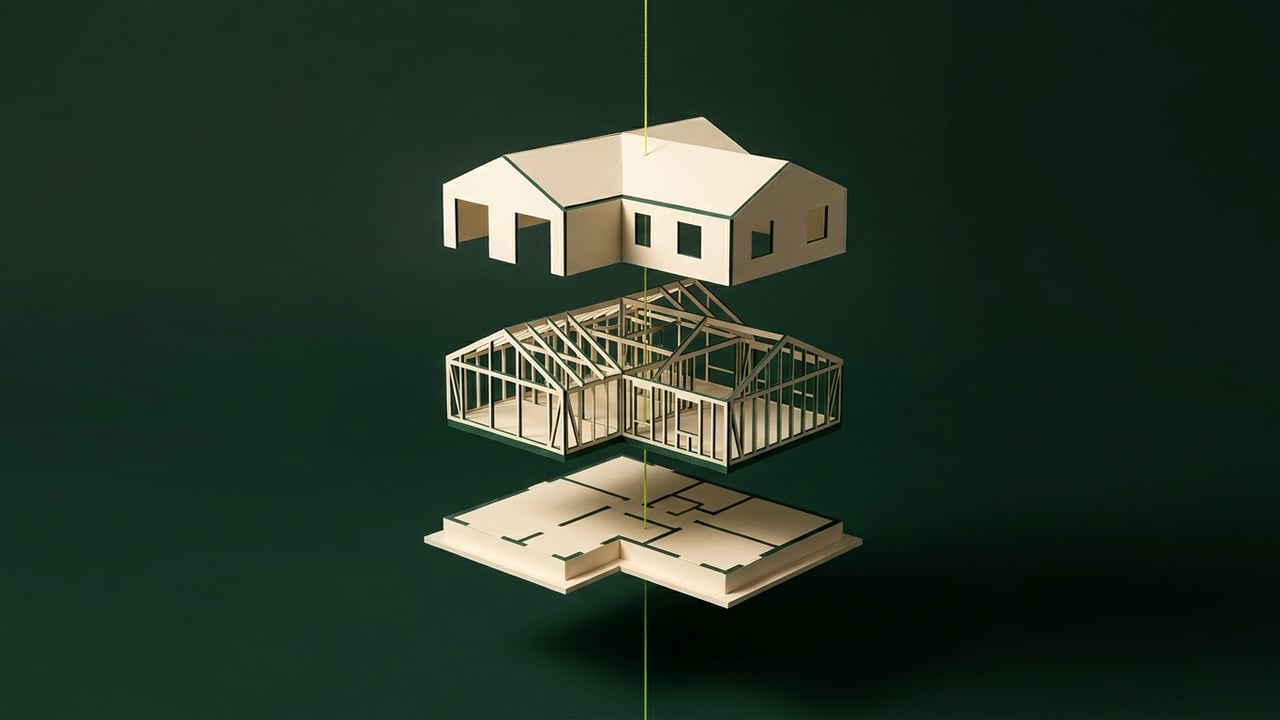
The Centre Pompidou moved every building service outside its walls so the interior could stay open. Architecture firms can structure production work the same way.
Production work and design decisions are fighting for the same hours
Most architecture firms never decided to put production work and design decisions in the same room. It just happened, because nothing ever separated them. A designer stops mid thought to redline a sheet. A principal loses an hour to a QC pass that had to happen today. Production work and design decisions end up competing for the same hours, inside the same walls, every single day.
Richard Rogers solved a version of this problem in concrete and steel
When Richard Rogers and Renzo Piano designed the Centre Pompidou in Paris, they faced a related problem: a museum needs open, flexible floors, but a building also needs structure, lifts, pipes, stairs and mechanical systems somewhere. Instead of threading all of that through the occupied floors, they moved it outside. Structure, circulation and every building service went onto the exterior of the building, color coded by function: blue for air and climate systems, green for water and fluid systems, yellow for electrical systems. The interior was freed into open, column-free space, because the things that support the work were no longer sharing a wall with the work itself.
The same collision happens inside a firm's schedule, not just inside a building's walls
A firm does not have exterior walls to move production work onto, but it has the same underlying problem. Drafting, redlines, model updates and QC passes are production work. Client direction, design judgment and sign off are design decisions. When both live inside the same team and the same hours, they do not coexist, they compete. The sheet that needs a redline and the decision that needs real thought are asking for the same attention at the same time, and one of them loses.
What moving production outside actually looks like for a firm
Structuring around this does not mean removing production work from the firm's control. It means giving it its own track, separated from design time the way the Centre Pompidou's services are separated from its interior, visible and accounted for, but no longer sharing the same hours as the decisions that need a designer's full attention.
In practice, that track is one dedicated professional working inside the firm's own time zone, so handoffs do not wait on a time difference. WorldTeams places one such professional per engagement, screened down to the top 3% of applicants it reviews, with a dedicated account manager keeping the track accountable without pulling a designer into managing it.
What stays with the firm, and what moves to the separated track
Production tasks move: drafting, redlines, model updates, documentation and QC passes. What does not move is everything that requires the firm's own judgment and license. Design decisions, client direction and final sign off stay exactly where they are. WorldTeams professionals are not US-licensed, and they do not sign, seal or stamp drawings; that responsibility was never part of the production track to begin with.
This is the same order scaling production capacity without growing headcount describes from the capacity side: the production layer grows separately from the firm's own desks, not inside them. And it follows the same discipline a remote hiring process needs before the first interview: define the structure first, roles, rituals and handoffs, before adding anyone to carry the work. A dedicated remote project coordinator seat is one concrete way firms give that production track an owner without pulling a designer into managing it.
How a firm starts structuring around this without disrupting current projects
A firm does not need to restructure everything at once. It needs one project where the collision is visible: the sheet that keeps getting bumped, the QC pass nobody has an hour for this week. Moving that one piece of production work onto its own track, carried by one dedicated person in the firm's own time zone, is enough to see whether the split holds. With no minimum hours requirement, the track can start at the size of that one collision and grow only as the pipeline asks for it.
Structuring around this is not about adding more hours to the week. It is about deciding, the way Richard Rogers did, which work needs to stay inside and which work needs its own place to sit. Tell us where production work is colliding with design time in your studio today, and we will talk through what a separated track could look like for that one project first.
- structure
- production workflow
- architecture firms
Frequently asked questions
Answers to the questions readers ask most about Separating production work from design decisions.
Why does production work keep interrupting design decisions?
Because most firms keep both inside the same hours and the same team, as described in why production work and design decisions collide. A designer stops to redline a sheet, or a principal gets pulled into a QC pass, and the attention that was going toward a design decision goes toward production instead. The two are not separated by anything, so they compete for the same person's time all day.
What does the Centre Pompidou have to do with staffing an architecture firm?
It is a working example of the same structural idea, covered in how Richard Rogers solved a version of this problem. Richard Rogers and Renzo Piano moved the Centre Pompidou's structure, lifts, pipes, stairs and every service system to the exterior instead of burying them inside the occupied floors. That single move freed the interior into open, column-free space. A firm can apply the same logic to its schedule: move production work into its own track instead of burying it inside design time.
What specifically should move outside, and what stays with the firm?
Production tasks, drafting, redlines, model updates and quality control passes, are what move into a separate, dedicated track, as laid out in what stays with the firm, and what moves to the separated track. Design decisions, client direction, and licensed sign off stay with the firm's own architects, exactly as they do today. WorldTeams professionals are not US-licensed and do not sign, seal or stamp drawings; that responsibility never moves.
How does a firm actually start structuring production work separately?
Start with one project where production work is visibly colliding with design time, the approach covered in how a firm starts structuring around this without disrupting current projects. Give that production work to one dedicated person, working in the firm's own time zone, so it runs on its own track instead of sharing the designer's calendar. WorldTeams places that one pre-vetted professional per engagement, with a dedicated account manager and no minimum hours requirement, so the track can start small and grow with the pipeline.
Does separating production work mean losing control over quality?
No, separating the track is what protects quality, the same way moving services outside protected the Centre Pompidou's interior instead of compromising it. WorldTeams professionals come from the top 3% of applicants it screens, and the firm's own review and sign off still happen before anything goes out, so control stays exactly where it was. See what stays with the firm, and what moves to the separated track for the full split.