How AEC Firms Scale Production Capacity Without Growing Headcount
Share this article


Key takeaways
- Toll Brothers scaled its remote drafting team from 4 to 45+ people without a matching increase in office headcount.
- QSR|R doubled output in 12 months without adding office space or equipment.
- Boutique Studio kept production costs down while spending $0 on office space or equipment.
- WorldTeams engagements carry no minimum hours requirement, so capacity can flex with real workload.
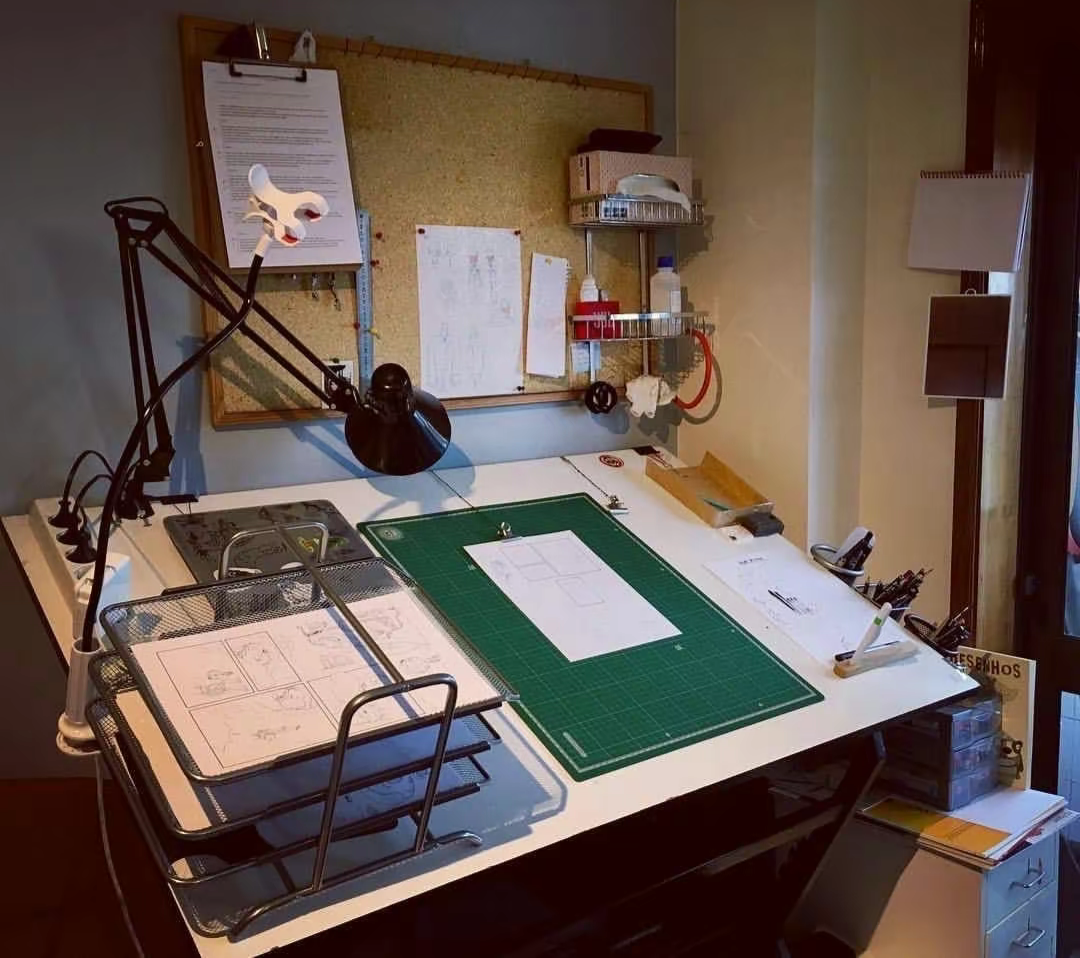
Case numbers from architecture, homebuilding and QSR design firms show how remote drafting teams add production capacity without adding office overhead.
Production capacity, not headcount, is the real constraint
Most firms do not lose bids because they lack architects. They lose bids because they lack drafting hours. A busy studio can have strong pipeline and still turn down work, simply because there is no one left to turn a set of drawings around on time.
WorldTeams works with architecture, homebuilding and design firms as a remote production layer: drafters and BIM technicians who extend a firm's own team, under the firm's own quality control and licensed sign-off. The following numbers come from named WorldTeams client cases, not from projections.
What capacity growth looked like for Toll Brothers
Toll Brothers grew its remote drafting team from 4 people to 45, and currently has more than 70 drafters active. Production moved 4x faster, and Toll Brothers reported a 50 percent reduction in talent costs. That growth happened without a matching expansion of in-house office headcount, which is the detail that matters most for a firm evaluating the same move: the team grew where the drafting work was, not where the desks already were.
What capacity growth looked like for QSR|R and Boutique Studio
QSR|R doubled its output within 12 months and reported 50 percent labor cost savings, without adding office space or equipment. Boutique Studio reported being 50 percent more affordable than US-based hires, while spending nothing on additional office space or equipment. In both cases, the office footprint stayed flat while the production output did not.
These are case results reported by the clients themselves, not independent studies, and they will not repeat identically for every firm. They are useful as a reference point for what a well-run remote production team can look like in practice.
What stays with the firm, and what WorldTeams does not do
WorldTeams professionals are not US-licensed. They do not sign, seal, or stamp drawings, and they do not deliver permit-ready plans on their own. Licenses, permits and final sign-off stay with the firm's own licensed architects and engineers, the same as before adding a remote team. WorldTeams also does not include software licenses or permit fees in its engagements; those remain the firm's responsibility, per the terms firms already sign.
This is a staffing and production partnership, not an employment relationship. Firms do not hire WorldTeams professionals as direct employees, and engagements run under a standard non-solicitation term rather than a direct-hire path.
Sizing a team to real workload, not a fixed headcount
A common reason firms hesitate to add outside production capacity is the fear of committing to a fixed cost regardless of pipeline. WorldTeams structures engagements without a minimum number of hours. In Camila Brugger's words: "We don't ask you for any minimum of hours or anything." That lets a firm size a drafting team to what a project pipeline actually requires, and adjust it as that pipeline changes, instead of guessing months ahead.
What this means for a firm evaluating remote production capacity
The three cases above point to the same underlying shift: production capacity scaled through a remote drafting team, while office headcount and office footprint stayed close to flat. None of it removes the firm's own licensing responsibility, and none of it is a guaranteed outcome for every engagement. It is, however, a concrete picture of what capacity growth looked like for three real WorldTeams clients, with numbers attached.
If your firm is turning down work for lack of drafting hours rather than lack of demand, a production capacity review is a reasonable next step to size what a remote team could look like for your own pipeline.
These case results are reported by WorldTeams directly, not by an independent study; treat them as a reference point, not a guarantee for every engagement. For more on how firms structure remote production capacity, see the WorldTeams blog.
- production capacity
- drafting teams
- outsourcing
Frequently asked questions
How much can a firm scale production without adding in-house headcount?
It depends on the workload, but WorldTeams case data shows a real range. Toll Brothers grew its remote drafting team from 4 to 45 people, with 70 or more drafters currently active, while its own office headcount did not grow at the same pace. QSR|R doubled its output within 12 months without adding office space or equipment. The pattern in both cases is the same: production capacity scaled through a remote team, not through new desks.
Do remote drafting teams replace in-house architects and engineers?
No. WorldTeams professionals work as an extension of a firm's production capacity, not as a replacement for the firm's licensed staff. They are not US-licensed, and they do not sign, seal, or stamp drawings. Licensing, permitting, and final sign-off stay with the firm's own licensed professionals, exactly as they do today.
What does it cost to add remote AEC production capacity?
WorldTeams does not publish rate cards, since compensation terms are confidential and vary by role and scope. What is public is case-level outcome data: Toll Brothers reported a 50 percent reduction in talent costs, QSR|R reported 50 percent labor cost savings, and Boutique Studio reported being 50 percent more affordable than US-based hires. These are case results, not a guarantee for every engagement.
How fast can a firm scale a remote drafting team up or down?
WorldTeams does not require a minimum number of hours per engagement. As Camila Brugger, WorldTeams, puts it: "We don't ask you for any minimum of hours or anything." That means a firm can size a team to a real project pipeline instead of committing to a fixed headcount months in advance.