How Firms Protect Senior Architect Hours for Design
Share this article


Key takeaways
- The real gap between firms is not design skill or software. It shows up on the timesheet, next to the most expensive hours.
- Every hour a senior architect spends on redlines and sheet cleanup is an hour not spent on the work only they can do.
- Firms that protect senior hours route repetitive production work to steady, pre-vetted capacity in their own time zone.
- Delegating production work does not mean replacing the senior role. It means freeing it.
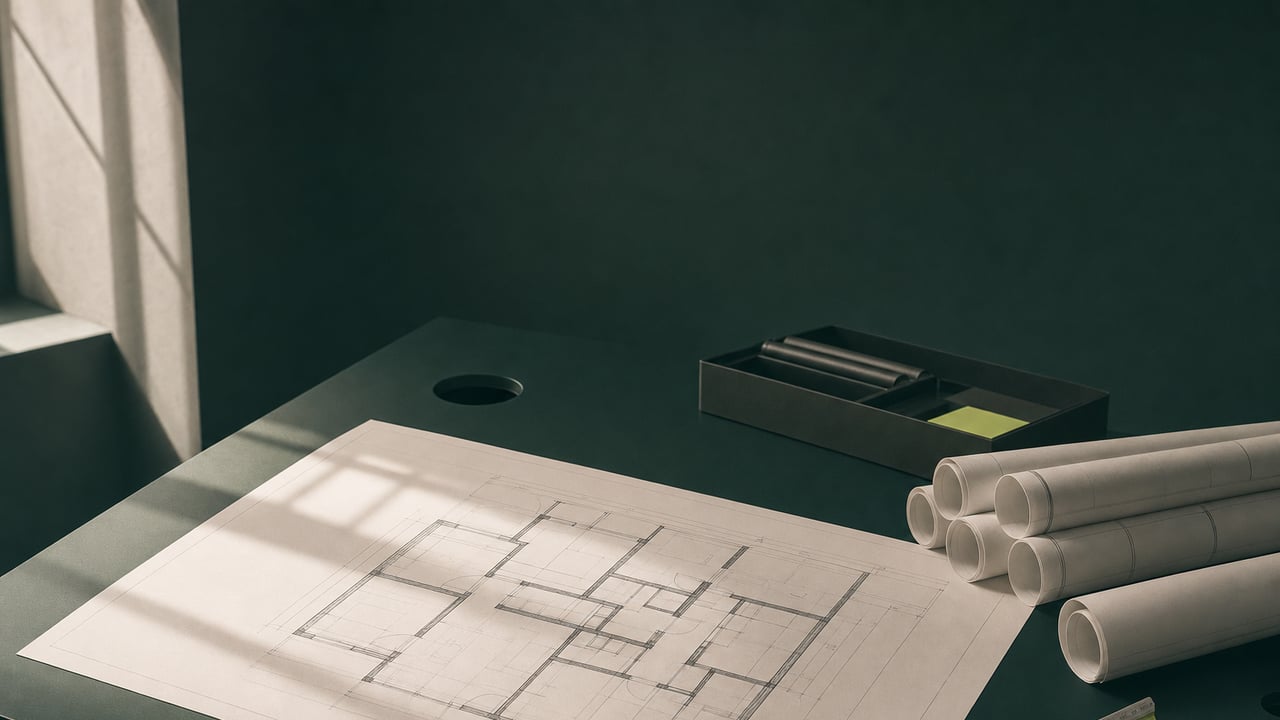
Redlines and sheet cleanup quietly eat into your most senior hours. Here is how firms route that work so principals and senior architects keep their time for design.
Two firms can run the same software, hire from the same schools, and still end up in very different places a year later. The difference rarely shows up on the drawing. It shows up on the timesheet, right next to the most expensive hours in the firm.
The Gap Is Not Design Skill or Software
When firms fall behind, the usual explanations point at talent or tools: not enough design skill, the wrong software, not enough headcount. Those explanations feel true because they are visible. A rendering looks sharp or it does not. A deadline is met or it is not.
But look at where the hours actually go. On r/Architects, architects describe redlines, markups and sheet cleanup as the work that quietly takes up most of their day, not the design work they were trained for. A separate thread on the same forum describes senior staff hitting a wall once production and coordination work piles up after a promotion. Neither thread offers a structural fix. That is the gap this article closes.
Where It Actually Shows Up: The Timesheet
Pull up a timesheet for your most senior person and look at where the hours went last month. For most firms, a meaningful share of it is production work: cleaning up sheets before a submittal, resolving redlines from a consultant, reformatting a set because a template changed, chasing down a model that will not coordinate.
None of that is design. All of it has to happen. And because it lands on whoever is already in the file, it tends to land on your most senior, most expensive person, not because they are the right person for it, but because they are the fastest way to get it off the list.
The Hidden Cost of Senior Hours Spent on Production
Every hour your most senior person spends on redlines and sheet cleanup is an hour not spent on the work only they can do: client conversations, design decisions, reviewing junior work, winning the next project. That cost does not show up as a line item. It shows up as fewer design hours per project, slower turnaround on the decisions that actually need a senior eye, and a principal who feels busy without feeling like the firm moved forward.
We cover a related version of this split in more detail in separating production work from design decisions, including why the two rarely need the same person.
What Works Instead: Routing Production Work to Dedicated Capacity
Firms that protect senior hours do not try to work harder inside the same structure. They change who does the production work. Specifically, they route the repetitive production work, redlines, sheet cleanup, documentation, formatting, model cleanup, to steady, pre-vetted capacity in their own time zone, and keep their best hours for design.
At WorldTeams, that looks like one dedicated professional assigned to the engagement, not a rotating pool, working the same time zone as the client firm so handoffs happen in real time instead of overnight. That professional comes from the top 3% of the applicants WorldTeams reviews, and every engagement also includes a dedicated account manager, so the firm has one point of contact if a handoff needs adjusting. We also cover how a dedicated remote project coordinator seat can manage that routing day to day, and how firms add that kind of production capacity without growing headcount.
How Firms Set This Up Without Losing Control
The firms that get this right do three things before they hand anything off:
- They name the work explicitly: which recurring tasks are production, not design, and therefore safe to delegate.
- They keep review in-house: the senior architect still checks the output, just at the review stage instead of the production stage.
- They start with one dedicated person, not a shared pool, so the same professional learns the firm's standards over time instead of relearning them with every request.
None of this requires more hiring. It requires being honest about which hours are actually delegable, the work that eats the most time in the day and needs the least of a senior architect's judgment to do well. If your firm has been putting off that conversation because the local hiring market is tight, it is worth reading why the architect shortage is not always a hiring bottleneck before assuming more headcount is the only answer.
This is the same answer behind our FLEX post on Instagram: comment FLEX and we'll DM you how firms protect their senior hours for design. This article is that answer, written out in full, so you do not have to wait on a DM to act on it.
- senior-architect-time
- production-delegation
- architecture-staffing
Frequently asked questions
Answers to the questions readers ask most about reduce senior architect admin work.
What exactly eats into a senior architect's most valuable hours?
Mostly production work that looks small task by task but adds up across a week: resolving redlines from consultants, cleaning up sheets before a submittal, reformatting documents, chasing model coordination issues. On r/Architects, architects describe exactly this kind of work as the biggest drain on their time, well above the design work they actually trained for.
Is this about replacing senior architects with less experienced people?
No. It is about moving the production work off a senior architect's plate, not the design decisions. The senior role stays the same; what changes is who handles redlines, sheet cleanup and documentation. We go into that distinction in more detail in separating production work from design decisions.
What kind of production work can actually be delegated?
Recurring, well-defined tasks: redlines, sheet cleanup, markups, model cleanup, formatting and documentation. These are tasks with a clear standard to follow, which makes them safe to hand to a dedicated professional once that standard is documented, as covered in scaling production capacity without growing headcount.
How do firms make sure handing off production work does not slow the project down or hurt quality?
By keeping one dedicated professional on the engagement instead of a rotating pool, working the same hours as the firm so handoffs happen in real time, with the senior architect still reviewing the output. See what works instead: routing production work to dedicated capacity for how that review loop is structured.
What do I get if I comment FLEX on the WorldTeams post?
We'll DM you how firms protect their senior hours for design, the same model covered in this article: routing redlines, sheet cleanup and other production work to a dedicated, pre-vetted professional in the firm's own time zone. For more context on why firms reach this point in the first place, see architect shortage or hiring bottleneck.