How Small Architecture Studios Add BIM and CAD Capacity
Share this article


Key takeaways
- A short term spike in drafting work is usually the real trigger, not a permanent new hire.
- A remote drafting team can start with one or two people and grow as project load changes.
- Software licenses, permits and any required local stamping stay with the studio, not the remote team.
- A boutique studio client saved about 50% versus US based hires and spent $0 on office space or equipment.
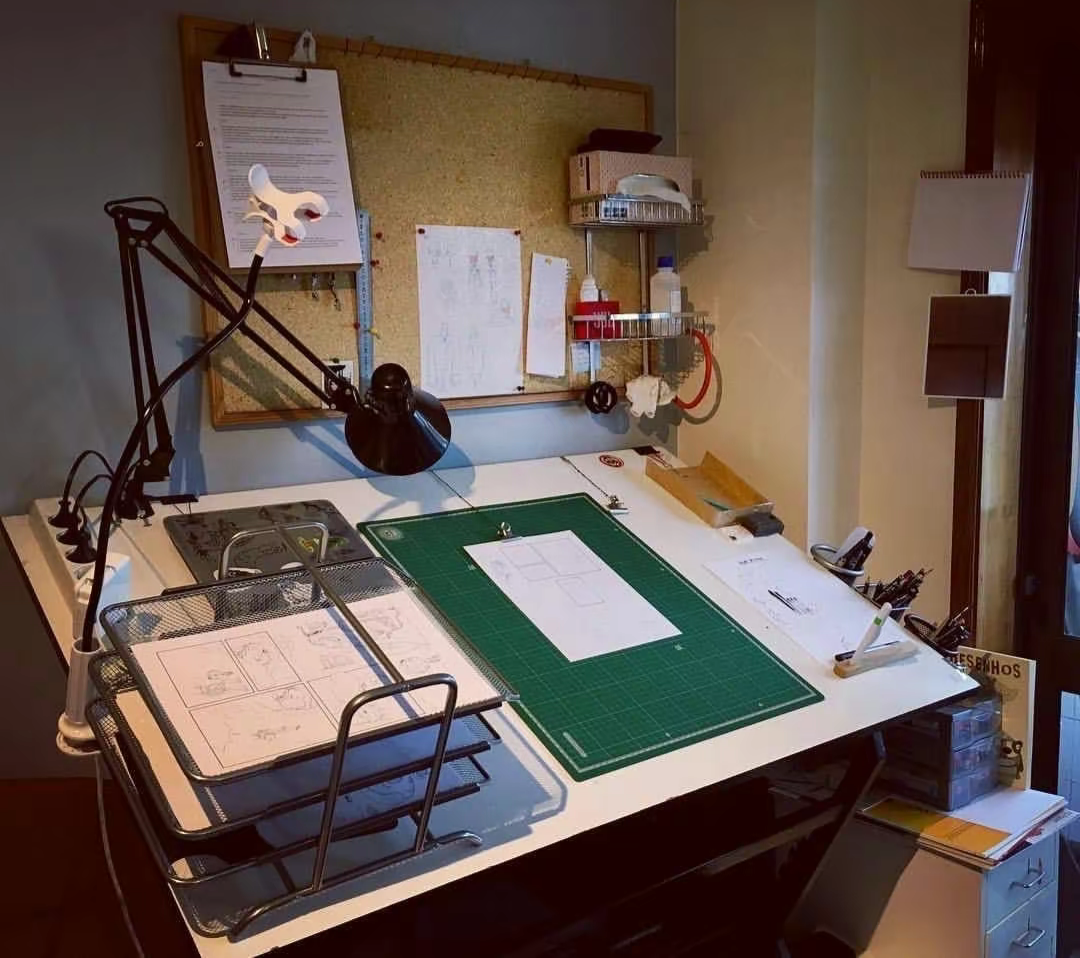
A practical look at how small architecture studios add BIM and CAD drafting capacity through a remote team instead of a slow, expensive local hire.
A staffing gap, not a hiring problem
Most small architecture studios do not need a bigger org chart. They need drafting hands for the next three to six months, while a specific project moves through design development and construction documents. A local hire takes weeks to recruit, months to fully ramp up, and stays on payroll long after the workload that justified it has passed.
That mismatch is the real problem behind "we need more BIM support." The studio is not short staffed in general. It is short staffed on one project, at one moment, and the standard response, a full time local hire, solves a temporary problem with a permanent commitment.
What a remote drafting team actually covers
A remote BIM or CAD drafting team works inside the studio's existing files, standards and software. It produces and revises models, sheets and construction documents under the studio's direction. The studio keeps design authority and client relationships. The remote team handles the production work that consumes hours without requiring the principal's judgment on every line.
Some things stay with the studio by design, not by oversight. Software licenses and permits are paid and held by the studio, so the arrangement never puts a shared account or a shared login at risk. Any signature or stamp required for a submittal in the United States also stays with a professional in the studio, since remote talent based outside the country is not authorized to sign or stamp documents there. A studio that understands this split from day one avoids the confusion that derails most outsourcing attempts.
What it costs to wait versus what it costs to add capacity
WorldTeams tracks outcomes with real clients rather than industry averages, because a claim without a named source is not a fact a studio can plan around. A boutique studio client, closer in size to most small firms than a national builder, saved about 50% versus US based hires and spent $0 on office space or equipment. Toll Brothers, a much larger client, grew a remote drafting team from 4 to 45 people over several years and currently keeps 70+ drafters active on its projects.
Those two results sit at opposite ends of the same model. A small studio does not need 45 people to benefit from it. It needs the same starting point Toll Brothers used once: a small remote team added to one project, measured against what a local hire would have cost in time and salary over the same months.
Starting small and scaling only when the work justifies it
The practical path for a small studio is to test the model on one active project before making any longer commitment. A studio can start with one or two remote drafters, keep full review authority over their output, and expand the team only if the pipeline actually grows. There is no obligation to build a department up front, and no requirement to keep headcount flat once a project winds down.
This is the opposite of a traditional hire, where a studio commits to a salary, a desk and a long recruiting process before knowing whether the workload will hold. A remote drafting team lets a small studio match capacity to the calendar it actually has, project by project, instead of guessing months in advance how big the team should be. In practice, this arrangement starts small and scales as project load changes, growing or shrinking with the studio's own pipeline rather than a fixed org chart.
Studios that want to see how this plays out for a firm their size, and for a firm much larger, can review the documented results directly on WorldTeams, including the boutique studio and Toll Brothers outcomes cited above.
- BIM outsourcing
- CAD drafting
- small architecture studios
Frequently asked questions
Answers to the questions readers ask most about BIM and CAD outsourcing for small architecture studios.
How do I know my studio needs extra BIM or CAD help instead of pushing the current team harder?
The clearest sign is a project calendar that keeps slipping because drafting cannot keep pace with design decisions, even after deadlines already moved once. If overtime is now routine and the backlog keeps growing project over project, that is a capacity problem, not a scheduling problem, and it is worth testing a remote drafting team on one active project before opening a local role.
What does a remote BIM or CAD drafting team actually take off my plate?
A remote drafting team can produce and update BIM models, construction documents and CAD sets under the studio's direction, working inside the software and standards the studio already uses. Software licenses, any required permits and local stamping for submittals stay with the studio, since remote talent based outside the country is not authorized to sign or stamp documents in the United States.
Will a remote drafting team fit the software and workflow my studio already has?
Yes. The team works inside the studio's existing files, templates and BIM standards rather than asking the studio to adapt to a new system. The studio keeps ownership of licenses and file structure, and the remote team follows the same review and markup process the in house team already uses.
How much faster or cheaper is this than hiring locally?
Results vary by studio and scope, but WorldTeams has documented real outcomes: a boutique studio client saved about 50% versus US based hires and spent $0 on office space or equipment, and a national homebuilder, Toll Brothers, grew a remote drafting team from 4 to 45 people with 70+ drafters currently active. A small studio should expect a comparable cost and speed advantage over a slow local search.
Can I start small and scale up only if the workload justifies it?
Yes. A studio can start with one or two remote drafters assigned to a single active project, then add people as the pipeline grows. There is no requirement to commit to a full department up front, which is the main difference between this model and a traditional local hire.