Why Architecture Firms Don't Stop Burnout Before Staff Quit
Share this article


Key takeaways
- Burnout on architecture teams often traces back to a staffing model with no slack, not to any one employee's stamina.
- When project managers plan in isolation, the same senior architects get assigned to cover every overflow, quietly, until they leave.
- A staffing model built around fixed in house headcount has only two outlets under pressure: unpaid overtime, or an open req that takes months to fill.
- Firms that build in flexible, pre vetted capacity before the next crunch keep senior staff on design work instead of production overflow.
- WorldTeams places pre vetted professionals in the client's time zone, backed by a 2 week replacement guarantee and a dedicated account manager, so firms can add capacity without waiting for a resignation to force the issue.
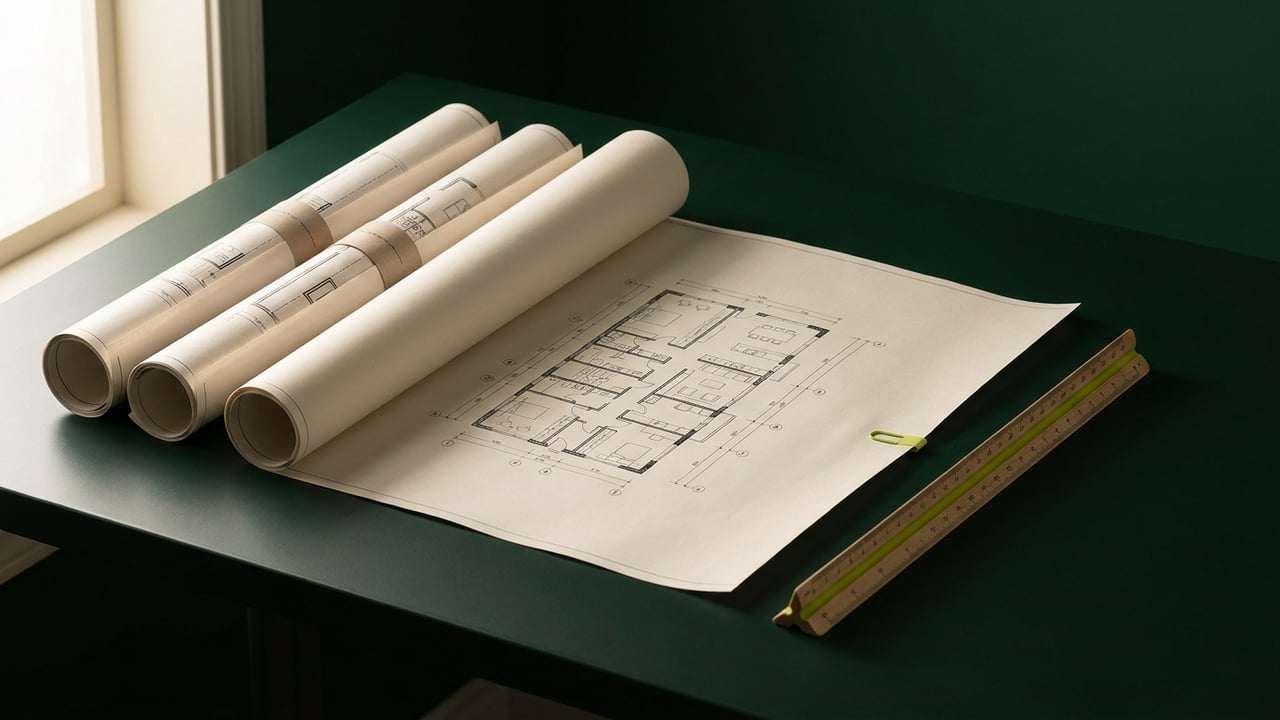
Burnout rarely starts with workload. It starts with a staffing model that leaves no one left to absorb the next crunch before someone quits.
Why Burnout Looks Like a Personal Problem, Not a Staffing One
When a senior architect quits after a brutal few months, most firms look for a personal explanation. Too much on their plate. Needed a change. Burned out, like architects everywhere.
That framing lets the firm off the hook, and it misses the pattern. The same two or three people absorbed the overflow on project after project, not because they volunteered, but because they were the only ones with the context to pick it up fast. The firm's staffing model had no slack left to give, so it kept pulling from the same place until there was nothing left to pull. Why burnout on an architecture team usually traces back to how projects are staffed, not to any one person's stamina, is the question most firms never actually ask before someone resigns.
Each PM Plans in Isolation, and the Math Stops Working
Here is how it actually happens. Each project manager staffs their own project against the firm's shared bench of architects and drafters. On paper, every plan looks fine: enough hours allocated, a reasonable timeline, nobody obviously overloaded.
The problem is that no single PM sees the full picture. Three PMs each quietly plan to pull the same senior architect for ten hours of review during the same two weeks, because on their own project, that allocation is reasonable. Multiply that across every live project in the firm, and the senior staff who show up in everyone's plan end up carrying three or four projects' worth of overflow at once, with no one person responsible for noticing.
Senior Staff Absorb the Gap, Until They Quit
In the short term, this works. Senior architects pick up the slack because they care about the work and they do not want to let a project fail. They answer emails at night. They skip the parts of the job they actually want to do, design review, mentoring, business development, because production work from someone else's project needs their stamp by Friday.
It does not look like a crisis from the outside. It looks like a firm running at full capacity. But the people absorbing the gap know exactly what is happening, and most of them have a limit. When they hit it, they do not usually raise it as a staffing complaint. They give notice, and the firm is left running an open search with the kind of timeline covered in architect shortage or hiring bottleneck, while the project they just left still needs covering.
What Changes When Capacity Is Not Fixed
The firms that break this cycle stop treating headcount as fixed and start treating capacity as something that flexes with the pipeline. When a new project lands and the bench is already committed, the answer is not "ask the senior team to stretch further." It is adding production capacity, drafting, modeling, documentation, before the crunch hits, so the firm's best people stay on the work only they can do.
Scaling production capacity without growing headcount covers what this looks like in practice for firms that have been through it. The shift is not about working differently. It is about having somewhere else for the overflow to go.
Without that shift, a firm is left with what a fixed, in house only staffing model forces a firm to choose between: unpaid overtime from the same senior people, or a slow open req that leaves the gap uncovered for months, the exact timeline problem covered in architect shortage or hiring bottleneck. A guide like how many remote seats should your firm start with helps a firm size the third option before it needs it.
Mental health resources matter here too, and are worth using alongside a capacity fix rather than instead of one. The AIA's resource center publishes guidance from architecture industry experts on exactly this.
Where Staffing Capacity Fits Before the Quit, Not After
This is the structural piece WorldTeams exists to solve. WorldTeams places pre vetted professionals, drawn from the top 3% of applicants, in the client's own time zone, backed by a 2 week replacement guarantee and a dedicated account manager, with no hidden fees. A firm can bring on drafting or documentation support for a specific project surge without opening a six month hiring search, and without routing that surge through the same two senior people every time.
Toll Brothers scaled its remote drafting team this way, from 4 to 45 people, with 70 or more drafters currently active, producing work 4x faster without adding office space or equipment. That is what capacity built to flex with the pipeline looks like, instead of capacity that only exists on an org chart and breaks under the first overlap of deadlines.
Software licenses, local permitting, and professional stamping stay with your firm, as they should. What changes is that your PMs have somewhere to route overflow that is not your own senior staff's weekend. Remote hiring process structure before tools covers how to integrate that capacity without creating more coordination work for your team, and decisions before your first remote architecture hire walks through what to settle before the first placement.
- architecture staffing
- burnout prevention
- project capacity
Frequently asked questions
Answers to the questions readers ask most about Preventing architect burnout through staffing capacity.
Is architect burnout really about hours worked?
Hours are the symptom, not the cause. Firms that only tell staff to work fewer hours or take more breaks are treating a personal problem that is actually a staffing one. The deeper issue is usually a fixed bench of in house staff covering a workload that moves faster than hiring can. See how scaling production capacity without growing headcount addresses the same root cause.
Why does planning each project separately lead to burnout?
Project managers who staff their own project in isolation, without visibility into what every other PM already committed from the same senior bench, end up double booking the firm's best people. Each individual plan looks reasonable. Added together, the math stops working. A sizing guide like how many remote seats should your firm start with helps a firm see the gap across projects, not just inside one.
What happens when senior staff keep absorbing the overflow?
They absorb it quietly for a while, through nights and weekends, because the firm's deadlines do not move. Then they leave, and the firm is left trying to hire a replacement under the worst possible conditions. Read architect shortage or hiring bottleneck for why that replacement search usually takes longer than firms expect.
Are mental health resources enough to prevent burnout at an architecture firm?
They help individuals cope, but they do not change the staffing math that produced the overload in the first place. The AIA's resource center publishes guidance from industry experts on exactly this, and it is worth using alongside, not instead of, a capacity fix.
How does WorldTeams help a firm add capacity before staff quit, not after?
WorldTeams places pre vetted professionals, drawn from the top 3% of applicants, in the client's own time zone, so a firm can add production capacity in days rather than months. See where staffing capacity fits before the quit, not after, and remote hiring process structure before tools for how that capacity gets integrated without creating more coordination work for your PMs.
Does adding outside staffing capacity replace account management or mentoring?
No, it runs alongside it. Every WorldTeams placement comes with a dedicated account manager, and the professional still reports into your existing team structure and workflow. For firms sizing up their first placement, decisions before your first remote architecture hire covers what stays with your firm and what WorldTeams handles.