How Many Remote Seats Your Firm Should Start With
Share this article


Key takeaways
- Size your first remote seat around your current bottleneck, not around the team you eventually want.
- One seat is enough to test workflow, communication and fit before you commit to more.
- Add a second or third seat only when the first one is consistently busy and delivering.
- Flexible, full time or part time contracts change how many hours a seat actually covers.
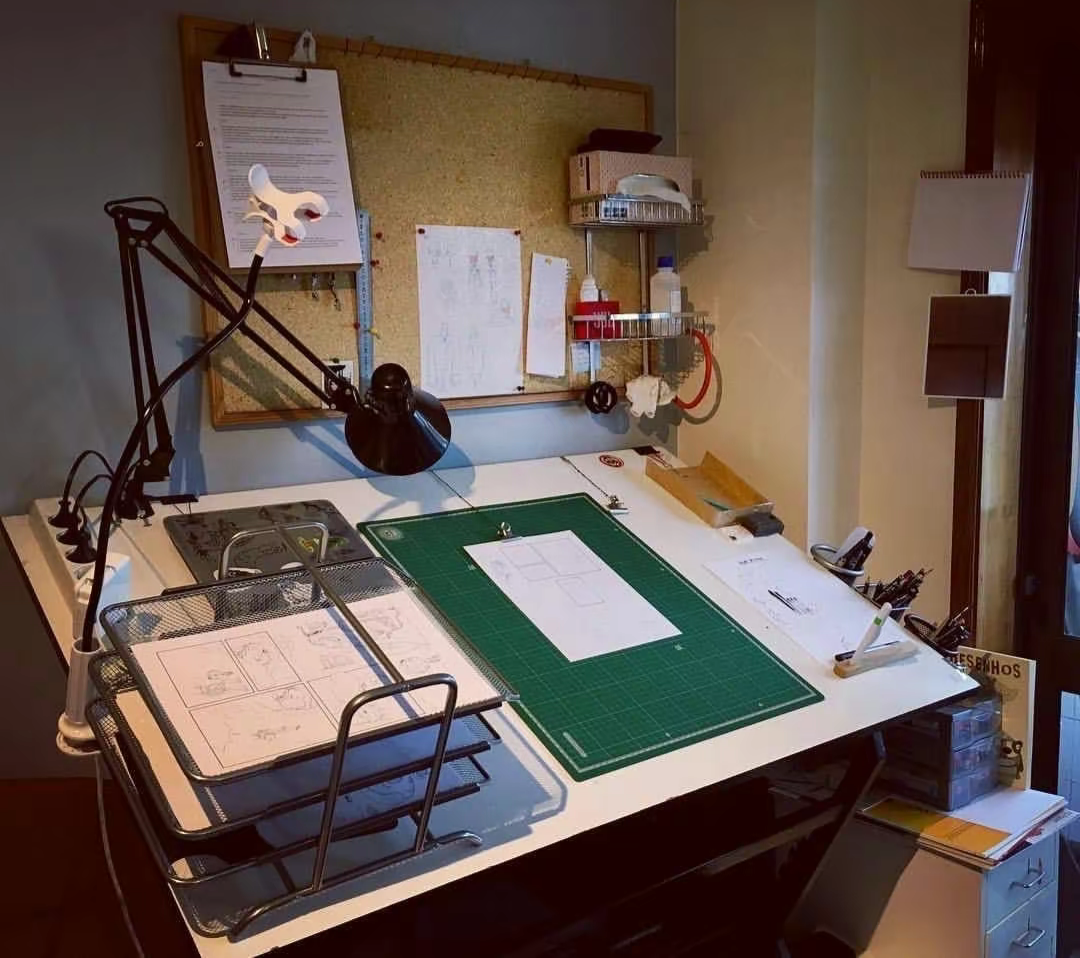
A practical way to size your first remote hire, add seats only when the workload proves it, and avoid committing to a team you do not need yet.
Start with the bottleneck, not the org chart
You do not need to know your ideal team size before you hire your first remote professional. You need to know which task is slowing your firm down right now.
Maybe it is redlines that pile up before permit submissions. Maybe it is 3D modeling that eats hours your senior staff should spend on client work. Maybe it is construction documentation that only moves when someone stays late.
Pick that one bottleneck. Size your first seat to it. A single well matched remote professional, working in your time zone, can absorb that specific load without you having to plan an entire department around a guess.
One seat first, then evidence, then more seats
The safest way to build a remote team is sequential, not all at once. Bring in one person, give them real work for a few weeks and watch three things: how fast they turn around drawings, how well they follow your standards, and how easy it is to coordinate with your in house team.
If those three hold up, you have evidence, not a hope, that a second seat will pay off the same way. If something is off, you fix it with one hire instead of untangling it across three.
WorldTeams does not ask you for a minimum number of hours to start, a point our founder Camila Brugger has made directly, so testing one seat does not lock you into a fixed weekly load you have to fill whether you need it or not. WorldTeams also places every professional in the same time zone as the client, which removes async handoff delays while you are still coordinating a single new seat with your in house team.
Signs your firm is ready for a second or third seat
You are ready to add a seat when your first hire is consistently at capacity, not occasionally busy. Look for these signals before you add headcount:
- Your first remote professional finishes assigned work before the next batch is ready, and you are the one holding up the queue.
- You are turning down projects or pushing deadlines because there is no one to take on the next phase of drafting or modeling.
- Your senior architects are still doing production work that a second remote seat could take off their plate.
- Coordination with your first hire has become routine rather than something you have to actively manage.
If none of those are true yet, adding another seat just moves the underused capacity from one person to two.
Match the contract type to the actual workload
How many seats you need also depends on the shape of the work, not only its volume. A firm with a steady, full pipeline usually needs a full time seat dedicated to one workflow, like construction documentation. A firm with seasonal or project based swings often gets more out of a flexible arrangement it can scale up or down as projects move through phases.
Part time seats work well when the bottleneck is real but does not fill 40 hours a week, for example ongoing 3D visualization for marketing and pitch decks alongside a smaller production role. Matching the contract type to the workload means you are not paying for idle time or asking one seat to cover more than it reasonably can.
What to check before you scale past your first hire
Before adding a second or third seat, confirm three things about the first one. First, that the work quality holds up without you reviewing every deliverable line by line. Second, that your internal team has a repeatable way to hand off tasks and get updates, so onboarding the next seat does not start from zero. Third, that you have a clear next bottleneck in mind, the same way you identified the first one, instead of adding a seat because it feels like the next step.
WorldTeams places pre vetted professionals in your time zone and backs every placement with a two week replacement guarantee, so if a seat is not the right fit early on, you can address it directly instead of living with a mismatch while you plan your next hire.
If you want more detail on how WorldTeams structures architecture engagements, our architecture services page covers the different ways firms bring on remote professionals, and our about us page has more on how the company works.
FAQ
Should a small firm start with more than one remote seat at once?
Usually not. Starting with one seat lets you confirm quality, communication and fit before you commit budget and management time to more than one hire at the same time.
How long should we wait before adding a second remote seat?
There is no fixed number of weeks. Add a second seat when your first hire is consistently at capacity and you can point to a specific new bottleneck, not on a set schedule.
Do remote seats at WorldTeams require a minimum number of hours?
No. WorldTeams does not ask clients for a minimum number of hours to start a placement, which is part of why you can test a single seat before scaling.
What if the first remote hire is not the right fit?
WorldTeams backs placements with a two week replacement guarantee, so you can address a mismatch directly instead of carrying it while you plan additional seats.
Does the contract type change how many seats we need?
Yes. A steady, full pipeline usually calls for a full time seat on one workflow, while seasonal or partial workloads often fit better with a part time or flexible arrangement.
Is it risky to start with just one remote professional instead of a full team?
It is lower risk than starting with several. One seat is easier to onboard, evaluate and correct if needed, and it gives you real evidence before you decide to add more.
- remote teams
- hiring
- architecture firms