The Quiet Signs an Architect Is About to Quit
Share this article


Key takeaways
- The first sign an architect is about to quit is rarely a complaint. It is a quiet drop in work nobody required of them.
- They stop volunteering for the extra review, the harder detail, the junior's question, weeks before they give notice.
- Managers usually read that withdrawal as someone finally setting boundaries, not as an exit in progress.
- A two week check on who stopped raising their hand catches the pattern before the resignation conversation does.
- The lasting fix is capacity, not a counteroffer. A firm that keeps running every team at the edge will produce the same signal again.
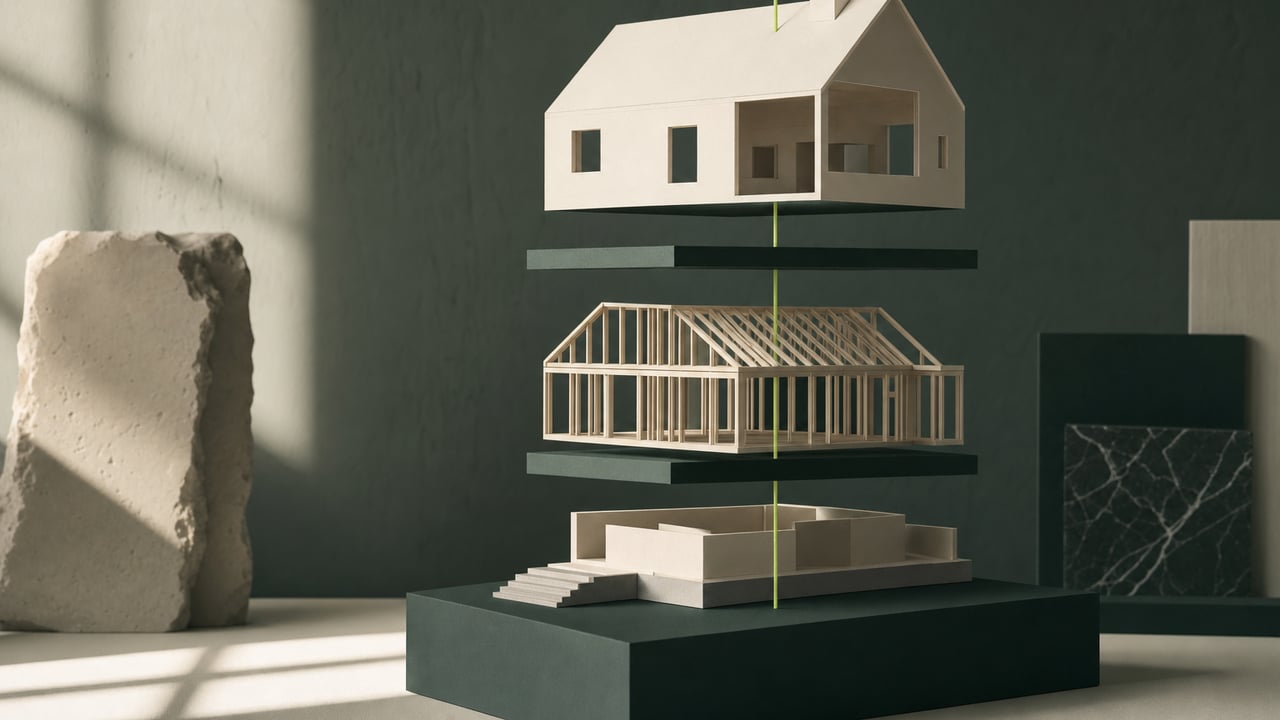
An architect rarely resigns without warning. Here is the discretionary effort that drops first, and what a firm can check before the exit conversation.
The First Sign Is What They Stop Doing, Not What They Say
Most firms expect a resignation to come with a complaint first. A frustration about hours, a comment about pay, a visible frustration in a meeting.
That is not usually how it starts. An architect who is about to leave tends to go quiet first. They stop volunteering for the extra review. They stop staying late to walk a junior through a detail. They stop proposing the better version of a drawing that nobody asked for.
None of that looks like a problem from the outside. It looks like someone finally pacing themselves. By the time the resignation conversation happens, the withdrawal has usually been visible for weeks.
Discretionary Effort Drops Before Performance Does
There is a difference between the work someone is required to do and the work they choose to do. Required work is the task list, the deadlines, the deliverables with a name attached.
Discretionary effort is everything else. Mentoring a junior who did not ask for help yet. Flagging a problem in someone else's drawing before it becomes a change order. Staying five minutes after a review to explain the reasoning, not just the correction.
That second category is usually the first thing to go. An architect can keep hitting deadlines for months while quietly withdrawing from everything that is not strictly required. Why architecture firms don't stop burnout before staff quit describes the staffing pattern that usually causes this: the same senior people absorbing overflow until there is nothing left over for anything optional.
Why Managers Miss It: It Looks Like Someone Finally Setting Boundaries
Here is the part that makes this hard to catch. The behavior that signals someone is about to quit looks almost identical to the behavior firms say they want to encourage.
A manager watching an architect leave on time, decline an extra project, and stop volunteering for committee work sees someone with healthier boundaries. In a firm that has spent years running everyone at full capacity, that read is not unreasonable.
The difference is direction. Someone setting a boundary usually still engages with the team on the things that matter to them. Someone withdrawing ahead of a resignation tends to pull back evenly, across everything, including the work they used to seem to enjoy.
What to Check in the Next Two Weeks, Before the Resignation Conversation
A manager does not need a formal review cycle to catch this. A short, specific check over two weeks is enough to tell the two patterns apart.
Has this person stopped raising their hand for anything optional, not just the thing they always disliked. Has their input in design reviews gone from offering alternatives to simply approving what is in front of them. Have they stopped asking questions about where a project is headed past their own task.
Any one of those on its own is not much. All three together, sustained for more than two weeks, is worth a direct, low pressure conversation about workload before it becomes an exit interview.
The Real Fix Is Capacity, Not a Retention Conversation
A good conversation can buy time. It rarely changes the underlying math. If the firm is running every team at a workload level where opting out of optional work is the only way left to protect personal time, the same pattern will resurface in someone else.
The real cost of losing an architect to a pay raise walks through what it actually costs a firm to wait until that conversation happens too late.
Mental health and wellness resources help too, and are worth using alongside a capacity fix rather than instead of one. The AIA's resource center publishes guidance from industry experts on exactly this.
WorldTeams exists to change the staffing math before it gets to that point, not after. Firms add pre vetted architecture and engineering professionals, working in the client's own time zone, backed by a two week replacement guarantee and a dedicated account manager, so the next project surge does not have to land entirely on the same two or three people. How WorldTeams runs performance reviews for remote architecture talent shows the kind of ongoing check that catches overload before it turns into a resignation letter.
If your team is already running this way, remote team management: who runs your nearshore team is a reasonable next read before you add more to anyone's plate.
- employee retention
- architecture staffing
- team management
Frequently asked questions
Answers to the questions readers ask most about Recognizing early signs an architect is about to resign.
What does it look like when an architect stops volunteering before they quit?
It shows up as absence, not complaint. They stop raising a hand for the harder detail, stop staying late to help a junior, stop proposing the better version of a drawing nobody asked for. See why discretionary effort drops before performance does for what that absence usually means.
Is this the same thing as burnout?
They are related but not the same. Burnout is the staffing condition that produces the exhaustion. The quiet withdrawal in this piece is the behavior that condition eventually causes. Why architecture firms don't stop burnout before staff quit covers the staffing math behind it.
Why do managers usually miss this signal?
Because it looks like good judgment. An architect who stops staying late or stops picking up extra work looks like someone protecting their time, which most firms want to encourage. This is exactly why it gets read the wrong way.
What should a manager actually check before assuming someone is about to resign?
Look at who has stopped raising their hand for optional work over the last two weeks, not just who seems tired. Here is the short list worth checking. How WorldTeams runs performance reviews for remote architecture talent shows a cadence built to catch this before an exit interview does.
Does a raise or counteroffer fix this once it starts?
It can delay a specific resignation. It does not fix the workload condition that produced the withdrawal, which tends to resurface in someone else. The real fix is capacity, not a retention conversation. The real cost of losing an architect to a pay raise breaks down what a late counteroffer actually costs a firm.
Can mental health or wellness resources catch this signal early?
They help an individual cope, but they do not change the workload math that produced the withdrawal. The AIA's resource center publishes guidance worth using alongside a capacity fix, not instead of one. See the real fix is capacity, not a retention conversation.