What Nearshore Revit Drafting Support Actually Covers
Share this article


Key takeaways
- A nearshore Revit drafter works inside your own model, your own standards, and your own file structure, not a separate outside workflow.
- The software license, the architect's stamp, and file ownership stay with your firm; the placed professional never holds them.
- WorldTeams assigns a dedicated Account Manager to your firm and a separate Coach to the placed professional, so oversight has two clear owners.
- A two-week replacement guarantee backs every placement, so a wrong fit gets addressed directly instead of absorbed as a sunk cost.
- +370 companies in the US already place Revit production work this way.
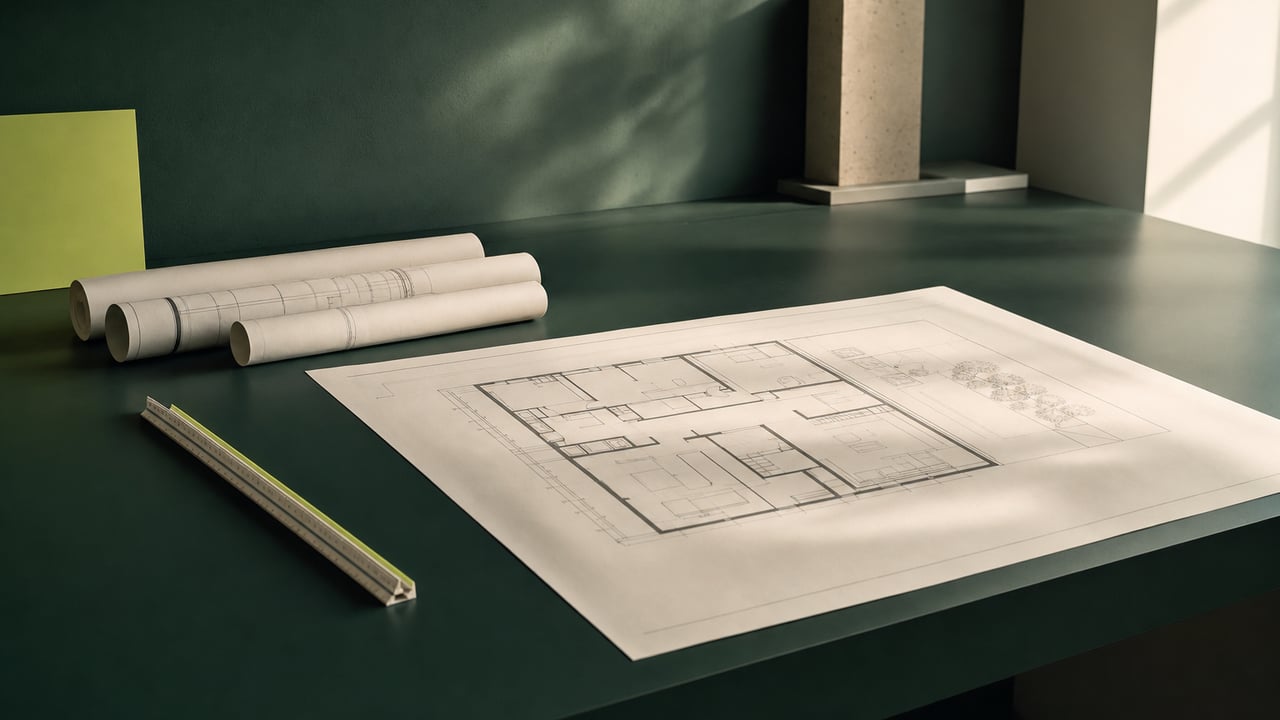
A day to day breakdown of what a nearshore Revit drafting placement covers, what stays with your firm, and how oversight works.
Nearshore Revit drafting support covers production, not a general pool
Most pages selling nearshore or remote drafting describe a pool of talent and a lower rate. Few say what the professional actually does once placed, or what a firm keeps control of the whole time. Here is the operational breakdown: the tasks the professional owns, what always stays with your firm, and how oversight works once the placement starts.
What a nearshore Revit drafter actually does inside your model
A placed professional works directly inside your Revit model, not a separate file handed back later. That means sheet setup, detailing, schedules, family creation, and coordination with linked models, following your own naming conventions and layer standards from the first day. The professional follows your production lead's direction the same way an in-house drafter would.
A remote drafter placed inside your existing files adds hours to your own pipeline, rather than running a parallel process outside it, the same scope covered in is your CAD drafting backlog a capacity problem or a technique problem. For a narrower role focused on the modeling to rendering step, see who staffs the Revit to render handoff at your firm.
What always stays with your firm
Three things never move to the placed professional. Your Revit license stays under your firm's own account. Your licensed architect keeps the review, the seal, and the submittal responsibility for any drawing set; a remote drafter is not authorized to sign or stamp documents for a US project, as NCARB explains for state licensure requirements. And your firm keeps ownership of the file structure, naming standards, and templates, the same boundary detailed in how to vet an architectural drafting outsourcing partner.
That division is the difference between adding production capacity and outsourcing a decision that should stay with your firm. A partner who is vague about who keeps the stamp is a partner to avoid.
How oversight works without someone in your office
A placement without a clear owner tends to drift. WorldTeams assigns a dedicated Account Manager to your firm, so questions about hours, scope, or adding a second seat have one consistent point of contact instead of a rotating one. A separate Coach supports the placed professional directly, which keeps the Account Manager focused on your firm's side of the relationship. That structure is described in full in who actually runs your nearshore team.
Placing the professional in your own time zone keeps management a daily conversation rather than an async queue, so a question raised in the morning gets answered the same day.
What happens if the placement is not the right fit
Even a careful match can turn out wrong. WorldTeams backs every placement with a two-week replacement guarantee, so your firm has a defined remedy in writing instead of absorbing a mismatch quietly or starting the search from zero. Ask any potential partner for their equivalent commitment before signing; a refusal to put it in writing is itself an answer.
Where this fits if you are staffing a broader Revit team
Nearshore Revit drafting support works best as one clear role inside a production pipeline you already run, not a replacement for your own standards or judgment. WorldTeams places professionals from the top 3% of applicants for Revit drafting services, so your firm adds hours to the model without adding a full time local headcount for what may be a temporary spike. More than 370 companies in the US already run Revit production this way.
If your firm has not bought a Revit license yet, when should architecture firms buy Revit licenses covers the signal to look for before you commit to the purchase.
If your firm is still diagnosing whether the gap is a training issue or a capacity issue, start with is your CAD drafting backlog a capacity problem or a technique problem before comparing partners.
The kind of routine modeling detail this placement owns includes troubleshooting that looks small on its own, like a roof element that will not merge cleanly. See how to join roofs in Revit without fighting the model for that specific command sequence.
If you have not decided whether to add a dedicated Revit hire at all, see do you need a dedicated Revit hire or more overflow help for the signals that tell the two situations apart.
The same production documentation discipline applies beyond the model: see why a curved garden border needs a fixed line on the landscape plan at production scale.
For an example of exactly this kind of recurring detail drifting across a production builder's repeated plan sets, see composite decking stair support spacing as a documentation problem.
For the actual modeling sequence a placement like this should be running, step by step, see the Revit floor plan modeling workflow firms should expect.
For the full walkthrough of how a placement like this gets set up in the first place, from screening through the replacement guarantee, see how architecture outsourcing actually works, step by step.
A placement like this is also what keeps a firm's own standards from drifting between projects, for the full reasoning see why Revit standards drift across projects.
- Revit drafting
- nearshore staffing
- BIM production
Frequently asked questions
Answers to the questions readers ask most about What nearshore Revit drafting support covers.
What does a nearshore Revit drafter actually do inside your model?
The professional works directly inside your Revit model, on your sheets, families, and worksets, following your own naming and layer standards. Typical tasks include sheet setup, detailing, schedules, and coordination with linked models, the same production scope covered in what a capacity problem looks like. The work happens inside your file, not on a separate copy handed back later.
Who keeps the software license, the stamp, and the file structure?
Your firm keeps all three. The Revit license stays under your firm's account, your licensed architect reviews and seals any drawing set, and your team keeps ownership of the file structure and naming conventions, the same boundary described in how to vet an architectural drafting outsourcing partner. A remote drafter is never authorized to sign or stamp documents for a US project, as NCARB explains for state licensure requirements.
How does a firm get oversight on a placement it cannot see in the office?
WorldTeams assigns a dedicated Account Manager to your firm and a separate Coach who supports the placed professional, so ownership does not default to whoever is least busy that week. That structure is detailed in who actually runs your nearshore team, and it works the same way for the nearshore Revit drafting support this article covers.
What happens if the placed Revit drafter is not the right fit?
WorldTeams backs every placement with a two-week replacement guarantee, so a wrong fit gets addressed directly instead of absorbed as a sunk cost. A firm gets a defined next step in writing, the same standard covered in get the replacement terms in writing.
How is nearshore Revit drafting support different from a general remote CAD hire?
A nearshore Revit drafting placement is staffed and vetted for Revit production specifically, not general 2D or 3D design work. WorldTeams places professionals from the top 3% of applicants, in your own time zone, for the Revit drafting services a firm actually runs day to day, not a generalist design pool.
Does this production scope include presentation views like section perspectives?
Yes. A placed Revit professional can own recurring presentation deliverables like section perspectives for client decks and design review, not only drafting and schedules. See who builds section perspectives in Revit at your firm for how that specific deliverable gets staffed.