What Architecture School Doesn't Teach Architects About AI
Share this article


Key takeaways
- The hardest part of adopting AI in an architecture firm is rarely the tool. It is deciding who in the firm has the authority to lead the switch.
- The jump from CAD to Revit shows the same generational pattern now playing out with AI: the people fastest to adopt a new tool are not always the people with the authority to roll it out firmwide.
- Architecture school rarely covers selling, delegating and adopting new technology, the exact skills a principal needs to lead an AI transition without losing design quality.
- Delegation, not software, is usually the real bottleneck. Adding a remote architect or BIM specialist already fluent in current tools can free a firm's leadership to manage the handoff instead of the production.
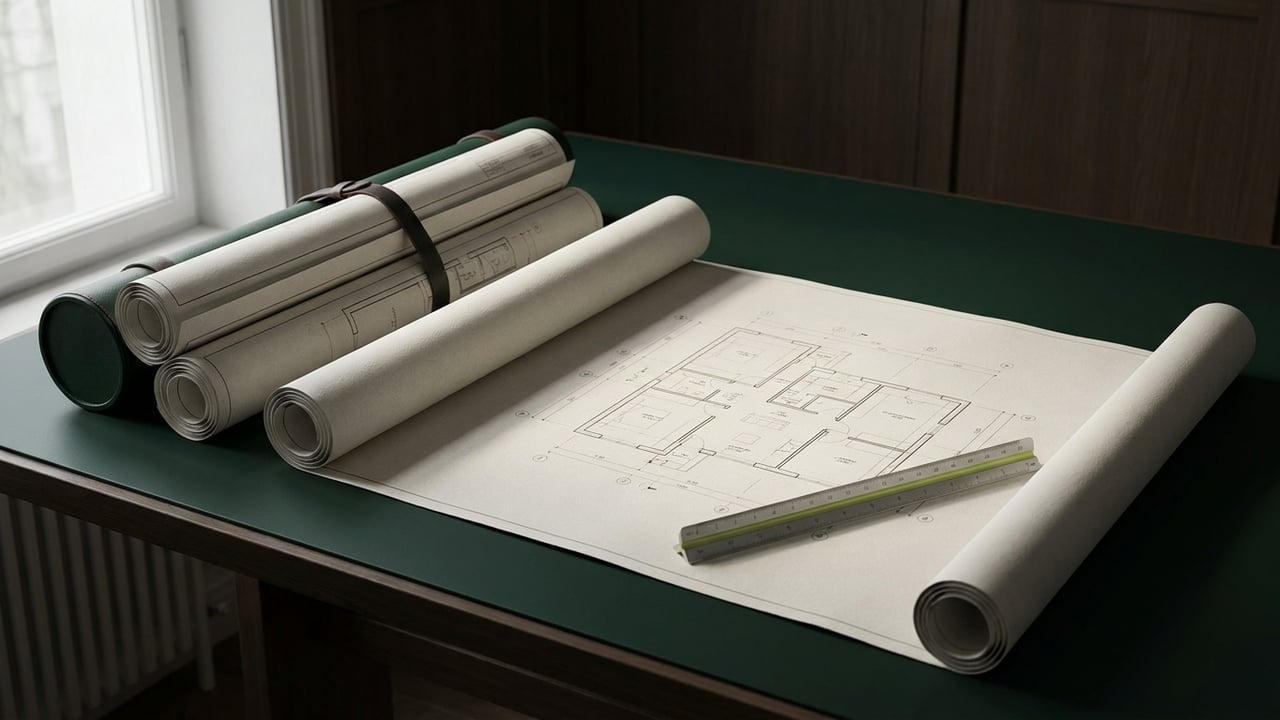
The real gap is not software skill. It is who in your firm has the authority to lead an AI transition, and no studio curriculum prepares anyone for that handoff.
The AI Jump Is A Leadership Decision, Not A Software Purchase
An architect we work with in Boston put the comparison plainly: the older generation at her firm never made the jump to Revit, and now the firm is asking the same people to jump to AI. She said the power to make that jump today sits with the younger generation, the people who grew up fluent in the tools rather than the people who approve the budget for them.
That comparison matters because it reframes the problem. Buying an AI tool is a purchase order. Deciding who in the firm actually leads the shift, who gets retrained, who gets overruled, and who gets hired to fill the gap, is a leadership decision, and it is the decision most firms skip past on their way to picking software.
Why The Power Often Sits With The Younger Generation
The pattern is not new. It played out the same way when firms moved from hand drafting to Autodesk Revit and Building Information Modeling: the staff who adopted the new workflow fastest were usually junior, and the staff who had to approve the change firmwide were usually senior and already productive in the old system.
AI is repeating that split. Younger architects and designers are often the first to use AI for massing studies, renders or client presentations, simply because they are less invested in the way things have always been done. That gives them real influence over how a firm eventually works, even when they do not hold the title that would normally carry that influence. Our guide to what AI boosted architecture talent actually means covers how to spot that fluency on a team before handing anyone the responsibility of setting standards for the whole firm. A firm that ignores this dynamic, or treats it as a generational complaint rather than a staffing reality, ends up with a tool nobody with authority knows how to use well.
What Architecture School Never Covers: Selling, Delegation, And AI
Architecture programs teach design, theory, structures and construction documentation. They rarely teach a principal how to sell a project to a client, how to delegate production work without losing quality control, or how to lead a team through a technology change that touches every project in the pipeline. Architects raise this gap constantly in public discussion, including threads like r/Architects on what architecture school does not teach, where the recurring theme is the same: the skills that determine whether a practice grows are business skills, learned informally on the job, if they get learned at all.
Selling, delegating and adopting new technology are exactly the skills an AI transition requires, and they are exactly the skills most architects enter practice without. That gap does not disappear because a firm adds a new tool. It just becomes more visible, because AI changes how work gets produced faster than most firms change how they lead.
Why Beauty Still Has To Be The Point
It is easy for an AI conversation to turn entirely into a conversation about speed: faster renders, faster massing studies, faster documentation. Speed is real, but it is not the reason clients hire an architect instead of a template. The design still has to be good. A faster process that produces a worse building has not actually helped the firm.
Keeping beauty, proportion and judgment as the point, rather than treating AI output as a finished product, is what keeps a faster workflow from becoming a lower quality one. That judgment is still a licensed professional's job, no matter which tools produced the first draft.
Delegation Is The Bottleneck, Not The Technology
Most firms that stall on AI are not stuck on the technology. They are stuck because nobody has the hours to own the transition: test the tools, retrain the team, check the first batch of AI assisted work against the firm's standards, and keep production moving at the same time. That is a staffing gap, not a software gap.
One practical fix is adding a remote architect or BIM specialist who already works fluently in today's tools, in the same time zone as your core team, so someone owns the handoff between what AI produces and what your firm actually delivers. That is the structure we cover in more detail in our guide to AI in architecture and in how firms handled the earlier shift in moving from CAD to a BIM workflow. WorldTeams places professionals from the top 3 percent of applicants, pre-vetted, in less than 72 hours, backed by a dedicated account manager, no hidden fees, and a two week replacement guarantee if a placement does not work out, having placed professionals with more than 370 companies in the US.
How To Decide Who Leads Your Firm's AI Transition
A few questions help a principal figure out who should own the transition, rather than letting it default to whoever bought the software license:
Who on the team already uses AI tools well, even informally, and would that person actually want the responsibility of setting standards for everyone else. Who has the client relationships and the authority to say no to AI generated work that does not meet the firm's bar. And who has the hours in the week to actually run the rollout, test the outputs and retrain the team, without dropping the production work that is already due.
If the honest answer to that last question is nobody, the fix is rarely another software subscription. It is adding capacity: a remote architect or BIM specialist, already fluent in current tools, who can own the handoff while your existing team keeps its focus on design and client relationships. Our guide to how WorldTeams vets the top 3 percent of applicants covers what that vetting looks like in practice, and the cost of waiting to adopt AI covers what firms give up while they wait to make this call.
This piece is part of an interview series where firm leaders talk through exactly this kind of handoff. The architect quoted above covers what architecture school never taught her: selling, AI, delegation, and why beauty still has to be the point. You can find her full conversation on WorldTeams' social channels, or reach out to talk about adding remote architects and BIM specialists fluent in today's tools to your team.
- AI in architecture
- firm leadership
- architecture staffing
Frequently asked questions
Answers to the questions readers ask most about Leading an AI transition inside an architecture firm.
What does architecture school not teach that matters for running a firm?
Most programs teach design, theory and technical documentation, not how to sell a project to a client, how to delegate production work, or how to lead a team through a technology change. Architects on forums like r/Architects raise this gap constantly: the skills that determine whether a firm grows are business skills, not design skills, and they get learned on the job or not at all. We cover the specific gap around technology leadership in what architecture school never covers below.
Who should lead an AI adoption inside an architecture firm?
In practice, the people most comfortable experimenting with new AI tools are often younger staff who grew up with the software, while the authority to change how the firm works usually sits with a principal from an earlier generation. Neither group can lead the transition alone: one has the fluency, the other has the standards and the client relationships. Our look at what AI boosted architecture talent actually means covers how to tell who on a team already has that fluency.
Is adopting AI in architecture a software decision or a staffing decision?
It behaves like a staffing decision more than a software decision, because the tool itself does little without someone who checks its output against your firm's standards and your client's expectations before it ships. Our guide to AI in architecture walks through what current AI tools actually do and where a licensed professional still has to own the result.
How did the shift from CAD to Revit compare to the AI shift happening now?
Both shifts asked an established generation to rebuild habits around a new way of working, and both met real resistance from people who were already productive in the old system. Our guide on moving from CAD to a BIM workflow covers how firms managed that earlier transition, and the same pattern (fastest adopters are not always the decision makers) is playing out again with AI, as we cover in why the power often sits with the younger generation.
How can a firm add AI fluent staff without committing to a full time local hire?
Many firms add a remote architect or BIM specialist who is already fluent in current tools and standards, working in the same time zone as the core team, instead of running a full local search for a skill set that changes every year. WorldTeams places pre-vetted professionals from the top 3 percent of applicants in less than 72 hours, with a dedicated account manager, no hidden fees, and a two week replacement guarantee if a placement does not work out. Our breakdown of how that vetting process works covers what gets checked before someone joins your team.