Iconic Airport Architecture Around the World
Share this article


Airport design shapes each trip. These hubs serve millions of people each day. Their plans must keep travel safe and simple while also creating a clear sense of place. Modern airports blend local culture, new tech, and more sustainable systems. The examples below show how those parts can work together.
The Role of Airport Architecture in Modern Travel
An airport is a gateway between places and cultures. It often forms a traveler’s first view of a city or nation. A clear path through the terminal can make the trip less stressful. Useful, modern spaces help too. Leading design firms seek a balance: the airport must work well, but it should also feel engaging.
Airport plans must address safety, traffic, and ease of use. Check-in desks, security points, gates, and waiting areas need a clear order. Designers study each step in the trip. They also use new tools and proven design ideas to guide large crowds with less friction.
Iconic Examples of Airport Architecture
Several airports stand out for their design. Each one blends local culture, new ideas, and green goals in a different way.
Changi Airport, Singapore
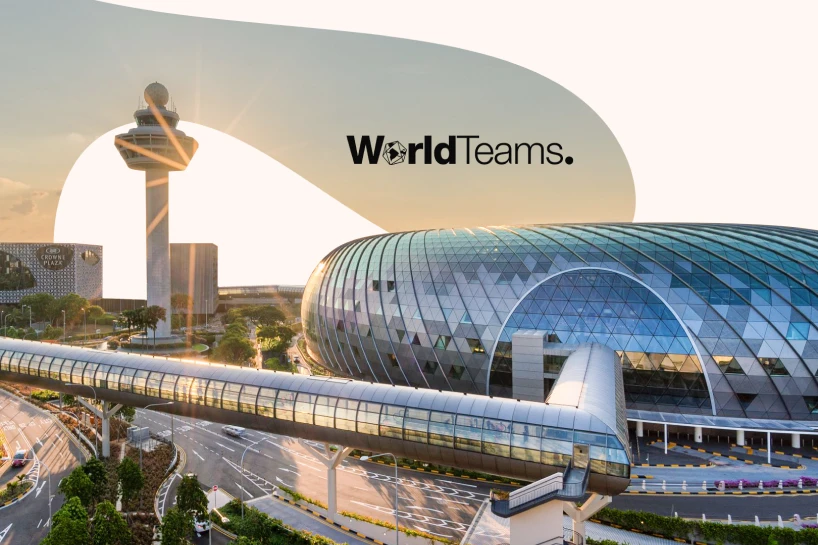
Changi Airport in Singapore is known around the world for bold design. It has indoor gardens, waterfalls, and works of art. These features take the space beyond basic travel needs. Its terminal plan is also easy to follow and gives visitors a trip they may remember.
The Jewel complex opened in 2019. Its glass shell holds plants, water features, and shops. It feels like an oasis within the airport. The space lets travelers rest, eat, and shop near nature.
Hamad International Airport, Doha
Doha’s Hamad International Airport joins large-scale design with art. It was planned as a cultural and design symbol for Qatar. Open spaces, high ceilings, and soft light give the terminal a calm feel. The airport also features several artworks, including the “Lamp Bear” sculpture. Art and culture are part of the travel space itself.
Beijing Daxing International Airport, China
Zaha Hadid designed Daxing International Airport. Its distinct shape led to the name “The Starfish.” The building uses green roofs and smart climate controls to save energy. Its plan aims to cut the time people spend walking in the terminal. It also links the airport with major transit hubs in the city.
Denver International Airport, USA
Denver International Airport blends modern design with a local image. Its roof recalls the snow-capped Rocky Mountains and the land of Colorado. The plan favors open rooms and natural light. It also uses green practices and seeks an efficient flow. Those traits help Denver stand out.
Design Elements in Airport Architecture
An airport must look good, work well, and keep people at ease. Leading designers focus on a few core parts:
Passenger Flow and Traffic Management
Passenger flow is the base of a sound airport plan. The route from check-in to the gate should feel clear. Security, gates, shops, and services need the right place. Good placement can cut crowding and make the trip easier.
Cultural Expression and Local Identity
An airport can show the culture and history of its region. Designers may use local art, materials, and symbols. Stone or wood from the area can bring that link into the building itself.
Sustainability and Eco-Friendly Practices
Green goals now guide many airport plans. Teams may choose renewable materials, low-energy lights, and systems that save water. Solar panels and green roofs are also more common. Smart energy controls can cut waste and help the airport lower its impact.
Technological Integration
New tech is changing how firms plan airports. Biometric check-in, AI security tools, and automatic bag systems can change the trip. Terminals now need space for digital and self-serve kiosks. These tools can give travelers more control over each step.
Learn how to cut labor costs while hiring the best talent in 2026
Download our FREE guide to learn how!
The Future of Airport Architecture: Trends and Innovations
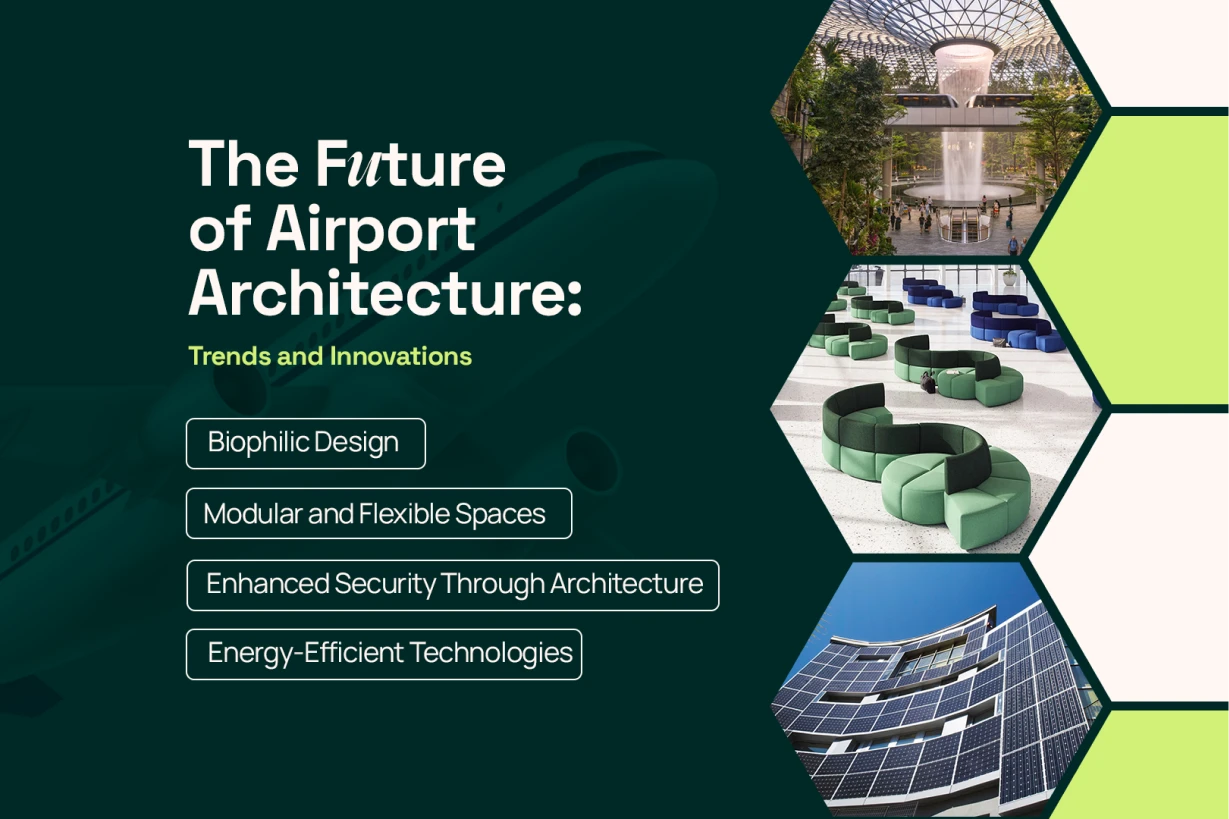
Airport design keeps changing. Four trends now shape many modern hubs:
Biophilic Design
Biophilic design brings nature into a building. It is now common in airport plans. Changi uses gardens, water, and daylight to support traveler well-being. A link to nature can ease stress and make a long wait more pleasant.
Modular and Flexible Spaces
Passenger volume can rise or fall fast. The COVID-19 pandemic made that risk clear. Many new airports use modular plans that teams can change with less work. A flexible room can serve peak travel or adapt to new health and safety rules.
Enhanced Security Through Architecture
Security is a core part of airport design. Modern plans try to make it feel built in, not added later. Glass walls, open spaces, and linked cameras can aid safety without harming the look. Facial recognition and other biometric tools can also speed up work for staff and travelers.
Energy-Efficient Technologies
Airports can use vast amounts of power. Designers now give more weight to green energy. Solar panels, wind power, and green roofs can lower the impact. Daxing also uses natural airflow, renewable power, and efficient insulation to cut energy use.
Major Firms in Airport Architecture
Several firms are known for new and more sustainable airport plans. They include:
Foster + Partners: The firm designed Terminal 3 at Beijing Capital International Airport and Queen Alia International Airport in Jordan. It is known for sustainable design.
Gensler: This global firm has worked on airports around the world. Its work includes the San Francisco International Airport expansion.
HOK: HOK worked on Hamad International Airport. Its airport plans pair efficient flow with local culture.
Zaha Hadid Architects: This firm designed Daxing International Airport. Its modern, organic forms push common design limits.
Airport work is complex. It calls for deep skill and close control across design, engineering, and environmental teams.

Outsourcing Architectural Services in Airport Design
Airport teams now use more outside design support. It can add a needed skill without the cost of a full in-house team. This can save resources while the project keeps its quality rules. WorldTeams can provide that support. Our service focuses on sound ideas, sustainability, and an efficient process.
WorldTeams Architectural Services for Airport Projects
WorldTeams links clients with design talent for many types of work, including airports. Our service gives teams access to skilled people who can support large, complex plans and meet global standards. We keep the focus on useful spaces, an efficient process, and sustainability. Connect with WorldTeams to bring your airport vision to life. Expert support can join at each stage of design and construction.