How Firms Build a Team That Keeps Up With Deadlines
Share this article


Key takeaways
- A single deadline, like finishing construction documents for a high-profile build, is usually what pushes a firm to add remote capacity.
- Soza Architecture's move from 1 to 5 on-demand professionals freed 100% of the firm's in-house design hours for design and clients.
- The Architect of Record keeps the stamp and the liability. Remote talent produces construction documents under that license, never in place of it.
- A 2-week replacement guarantee is the safety net that makes adding people on demand practical instead of risky.
- The real flex is not one impressive hire. It is a team sized to the workload that can flex up or down with it.
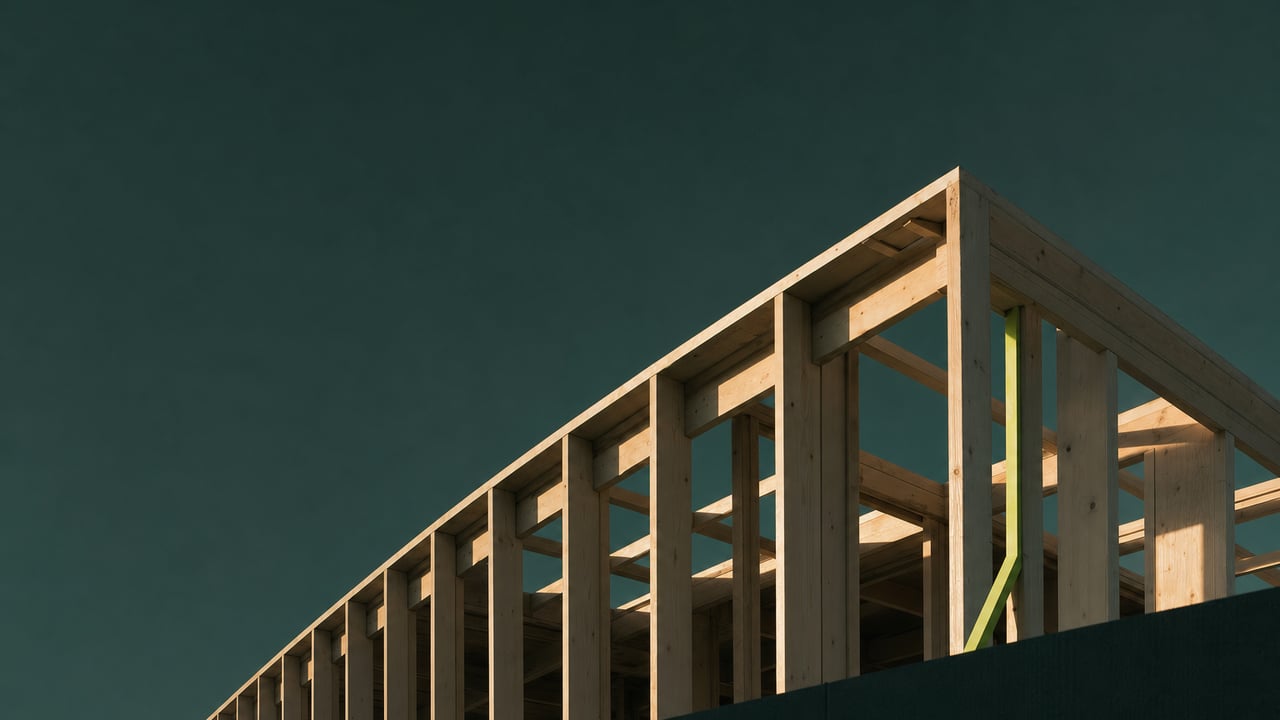
When a Miami build pushes construction documents to the wire, here is how firms add remote architects on demand, the way Soza Architecture did.
A Miami Build Pushes Construction Documents Past What One Team Can Draft
A Bugatti in the driveway is not the real flex. The build behind it is: a Miami mansion big enough and detailed enough to get a firm noticed in a market full of firms chasing the same kind of project.
Getting noticed is the easy part. Behind the render that gets the likes, a team is racing to finish construction documents on time: the plans, sections, details and schedules a building department and a contractor both need before anyone breaks ground. That deadline does not move because the project is impressive. If anything, it gets tighter, because a high-profile build usually carries more coordination, not less.
This is the moment a lot of firms hit a wall that has nothing to do with design talent. The in-house team already has a full plate, the deadline is fixed, and hiring a full-time employee takes weeks you do not have for a workload that may not last past this project.
Firms Lean On Remote Architects To Keep Production Moving
The firms that keep up do not solve this by asking their existing team to work faster indefinitely. They add remote architects to the production pipeline for exactly as long as the deadline requires, so design keeps moving without slowing down and without carrying a permanent headcount sized for this one build.
That addition works under the same standards and the same files your in-house team already uses: your Revit or CAD models, your templates, your production lead. The remote professional becomes an extra set of hands inside your pipeline, not a separate vendor working from a brief you have to translate.
Vetting still matters here, because a fast hire that cannot actually produce a usable construction document set costs you more than it saves. What a job-ready remote BIM architect actually looks like, beyond the resume, is covered in what a job-ready remote BIM architect looks like.
The Soza Architecture Case Shows What Flexible Staffing Actually Looks Like
Soza Architecture is the case behind this exact move. The firm did not make one big hire and hope it covered everything. It added on-demand professionals as the workload required, going from 1 to 5 over time.
That shift freed 100% of the firm's in-house design hours, time that had been going into production and could go back into design and client relationships instead. The full case, including the cost and lead-growth numbers, is published at the Soza Architecture success story, and the broader decision to go all in on this model is covered in what going all in on outsourcing did for one architecture firm.
On our podcast, Sofia Zhang of Soza Architecture described how a team's standards evolve as it scales this way: "we only get more detailed, we only get more specific, we only get smarter over time." That is the practical argument for starting this process before you are already behind on a deadline, not during one.
A Team That Keeps Up Beats Any Single Impressive Hire
One more point the Soza case makes clearly: the Architect of Record never changes. A US-licensed architect keeps the stamp and the liability on every sheet, no matter how many remote professionals help produce the set. Remote talent produces construction documents under that license, it never replaces the person who owns it. We cover exactly what that distinction means for permit work in the permit set is where a remote hire proves itself.
The other safeguard worth naming is the 2-week replacement guarantee: if a specific placement is not the right fit, the firm gets a replacement inside two weeks, which is what makes adding people on demand a practical move rather than a gamble.
Put together, this is the real flex behind a build like the Miami mansion: not a single architect, however talented, but a team sized to the workload that can expand when a deadline demands it and contract again once the set is submitted.
Start Building The Same Kind Of Flexible Team Before Your Next Deadline
You do not need to go from 1 to 5 overnight, and neither did Soza Architecture. Start by naming the specific gap in your current set: which sheets are behind schedule, and by roughly how many hours a week. That number tells you whether you need one additional professional or several.
Add the first on-demand architect against that exact gap, inside your existing files and standards, before you consider scaling further. Define the jurisdiction and code standards the hire needs to match, since a Florida high-velocity hurricane zone set and a California Title 24 set are not interchangeable. Once that first addition is working, scaling to match the next deadline is a repeat of the same process, not a new one, which is exactly what what going all in on outsourcing did for one architecture firm walks through in detail.
That is how firms build a team that keeps up: one deadline, one addition, and a process they can repeat the next time a build like this one lands on their desk.
Sources
- WorldTeams Instagram carousel ad (source_id 550c0276-2ddd-4401-bba0-c6f2c048e738), slide 3: "Behind that render sits a team racing to finish construction documents on time." View slide.
- WorldTeams Instagram carousel ad (source_id 550c0276-2ddd-4401-bba0-c6f2c048e738), slide 4: "Firms like this one lean on remote architects to keep production moving without slowing down design." View slide.
- WorldTeams Instagram carousel ad (source_id 550c0276-2ddd-4401-bba0-c6f2c048e738), slide 6: "That is the real luxury: a team that keeps up with builds like this one." View slide.
- WorldTeams Instagram carousel ad (source_id 550c0276-2ddd-4401-bba0-c6f2c048e738), slide 7, the CTA this article answers: "Comment MATCH and we'll DM you how firms build a team that keeps up." View slide.
- Soza Architecture success story, including the 1 to 5 on-demand professional shift and the 100% in-house hour reallocation. See the Soza Architecture success story.
- Architect of Record stamp and liability on remote-assisted construction documents. See the permit set is where a remote hire proves itself.
- remote architects
- construction documents
- on-demand staffing
Frequently asked questions
Answers to the questions readers ask most about Building a flexible architecture team that keeps up with deadlines.
What does it actually mean for a firm to have a team that keeps up?
It means capacity that moves with the workload instead of staying fixed. A firm adds drafting or design hands for a specific deadline, the way we describe in firms lean on remote architects to keep production moving, and releases that capacity once the set is submitted. The alternative, a fixed headcount sized for the worst week, sits idle the rest of the time or falls short exactly when it matters. For the licensing side of this, see the permit set is where a remote hire proves itself.
How did Soza Architecture go from one overloaded desk to five professionals?
Soza Architecture added on-demand professionals one at a time as the workload required it, moving from 1 to 5. That shift freed 100% of the firm's in-house design hours, which had been going into production instead of design and client work. The full numbers, including the cost and growth side of the case, are in the Soza Architecture success story and in the Soza Architecture case explained in full.
Does adding remote architects slow a firm down while they ramp up?
Ramp-up risk is real with any new hire, which is why vetting matters more than speed. We cover what to actually screen for in what a job-ready remote BIM architect looks like, and the broader staffing shift is covered in what going all in on outsourcing did for one architecture firm. A 2-week replacement guarantee is the backstop if a specific placement is not the right fit.
Who still stamps and owns the construction documents when a remote architect helps draft them?
The Architect of Record, a US-licensed professional, keeps the stamp and the liability. Remote talent produces construction documents under that license, it never replaces it. We walk through what that means in practice in the permit set is where a remote hire proves itself. For background on how the architect-of-record role is defined, see NCARB.
What is a construction document set, and why does it create deadline pressure?
A construction document set is the drawing package a firm submits to get a building approved and built: plans, sections, details, schedules and the coordination notes a plan checker and a contractor both rely on. A high-profile build, like the Miami mansion in the build that pushes construction documents past what one team can draft, compresses that work into a fixed timeline that does not move even when the in-house team is already full. For a general definition, see construction drawing.
How do I start building this kind of flexible team before my next deadline hits?
Start with the specific gap in your current set, not a general headcount guess: which sheets are behind, and by how many hours. Add one on-demand architect against that exact gap before you consider scaling further, the same way Soza Architecture started before reaching five. The opening section, a Miami build pushes construction documents past what one team can draft, walks through the pressure that usually triggers this decision, and what going all in on outsourcing did for one architecture firm covers what changes once it becomes a repeatable process.