Commercial Architecture: Balancing Cost and Creativity
Share this article


Key takeaways
- Commercial architecture designs buildings for business use, so every decision answers to a brief, a budget, and a return as well as to the design.
- Cost is controlled with three levers: modular construction, adaptive reuse of an existing structure, and technology that catches problems before the site does.
- Adaptive reuse is both the cheaper and the lower-waste option, because it keeps the embodied material of the original building in service.
- Sustainability, biophilic design, and technology integration are the three trends now shaping what a commercial building is expected to deliver.

Commercial architecture shapes the landscape of our cities. From office buildings and retail spaces to restaurants and hotels, these structures not only house businesses but also define the character and functionality of urban environments. In today’s world, striking a balance between cost and creativity is paramount for commercial architects. This article delves into the evolving landscape of commercial architecture, exploring how architects achieve this delicate equilibrium.
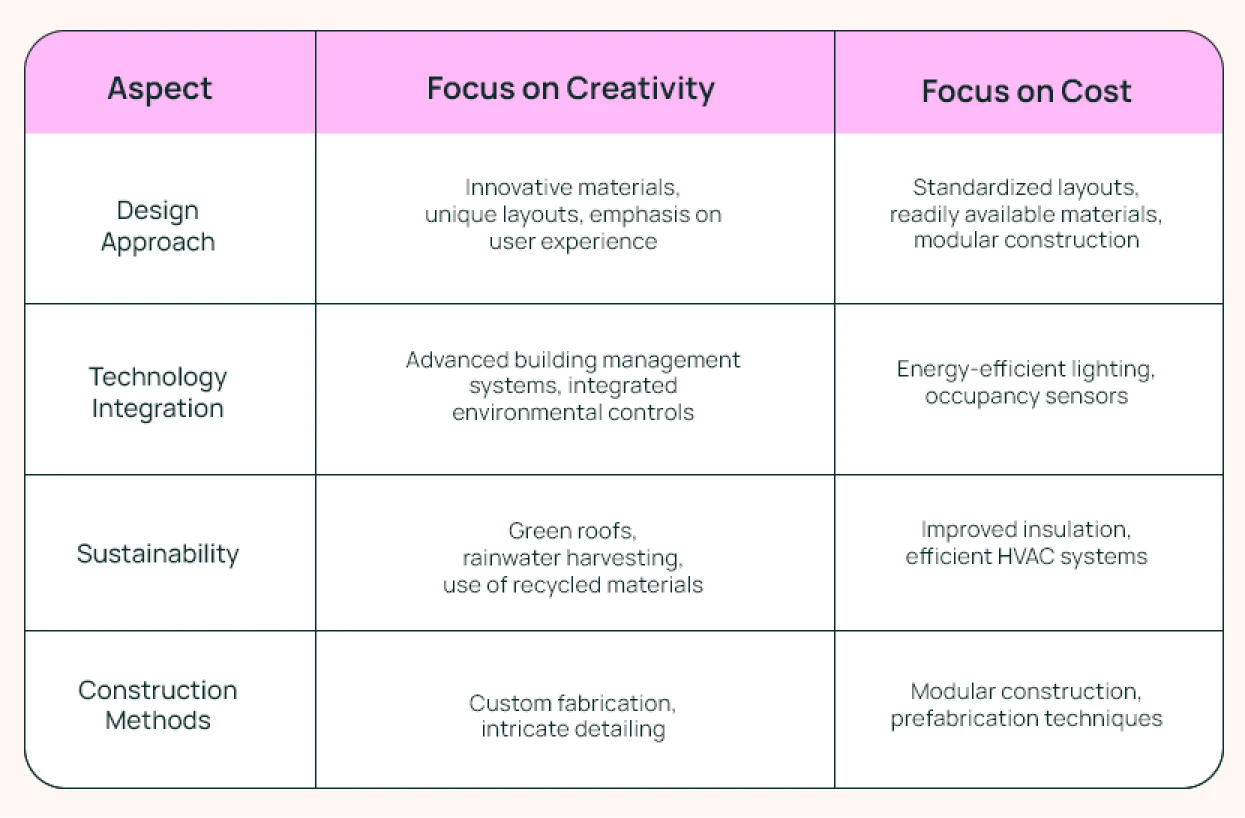
Here’s a breakdown of key considerations when navigating the cost-creativity balance in commercial architecture:
Optimizing Costs Through Innovation
Modern commercial architecture isn’t about sacrificing creativity for budget constraints. Here are some innovative ways to achieve cost-effectiveness:
Modular Construction
Prefabricated components offer a quicker and potentially cheaper way to build, allowing for flexibility in design while keeping costs in check (commercial constructions). Explore firms specializing in modular construction for your next project.
Adaptive Reuse
Repurposing existing structures offers a sustainable and often cost-effective solution for creating unique commercial spaces (urban design). Look for architectural firms with expertise in adaptive reuse, especially when considering historical buildings.
Technology for Efficiency
Utilizing Building Information Modeling (BIM) software allows for early identification of potential problems, reducing costly revisions later. Additionally, cloud-based platforms facilitate collaboration and streamline communication within architectural teams (architectural services).
The Intersection of Commerce and Creativity
Commercial architecture serves a dual purpose: to be aesthetically pleasing and to function efficiently for the businesses it houses. On the creative side, architects constantly push boundaries with innovative designs that incorporate natural light, utilize sustainable materials, and promote collaboration. Think open floor plans, green roofs, and integrated outdoor spaces. These elements enhance the user experience and contribute to a building’s overall appeal.
However, commercial architecture is also a business. Developers and clients have budgetary constraints, and architects must be mindful of these limitations. Cost-effective construction methods, readily available materials, and efficient use of space are all crucial considerations. Here’s where the true skill of the architect lies: in translating creative vision into a reality that delivers both functionality and financial viability.
Emerging Trends in Commercial Design
Several exciting trends are shaping the future of commercial architecture, and many of them address the cost-creativity conundrum:
Sustainability
Environmental responsibility is a major focus. Architects are incorporating energy-efficient technologies, using recycled materials, and designing buildings that minimize their environmental impact. Green roofs, natural ventilation systems, and smart building technology are just a few examples.
Biophilic Design
Bringing nature indoors is a growing trend. This can involve introducing natural light, incorporating plants and greenery, or creating spaces that evoke a connection to the outdoors. Biophilic design can improve occupant well-being and productivity, benefiting the businesses housed.
Technology Integration
Technology plays an increasingly important role in commercial architecture. From smart lighting systems that adjust to occupancy to integrated building management systems, technology can improve efficiency, comfort, and security.
Modular Construction
Technology plays an increasingly important role in commercial architecture. From smart lighting systems that adjust to occupancy to integrated building management systems, technology can improve efficiency, comfort, and security.
Adaptive Reuse
Breathing new life into existing structures is becoming increasingly common. This reduces construction waste and can be a cost-effective way to create unique commercial spaces.
Outsourcing Architectural Services: A Cost-Effective Strategy
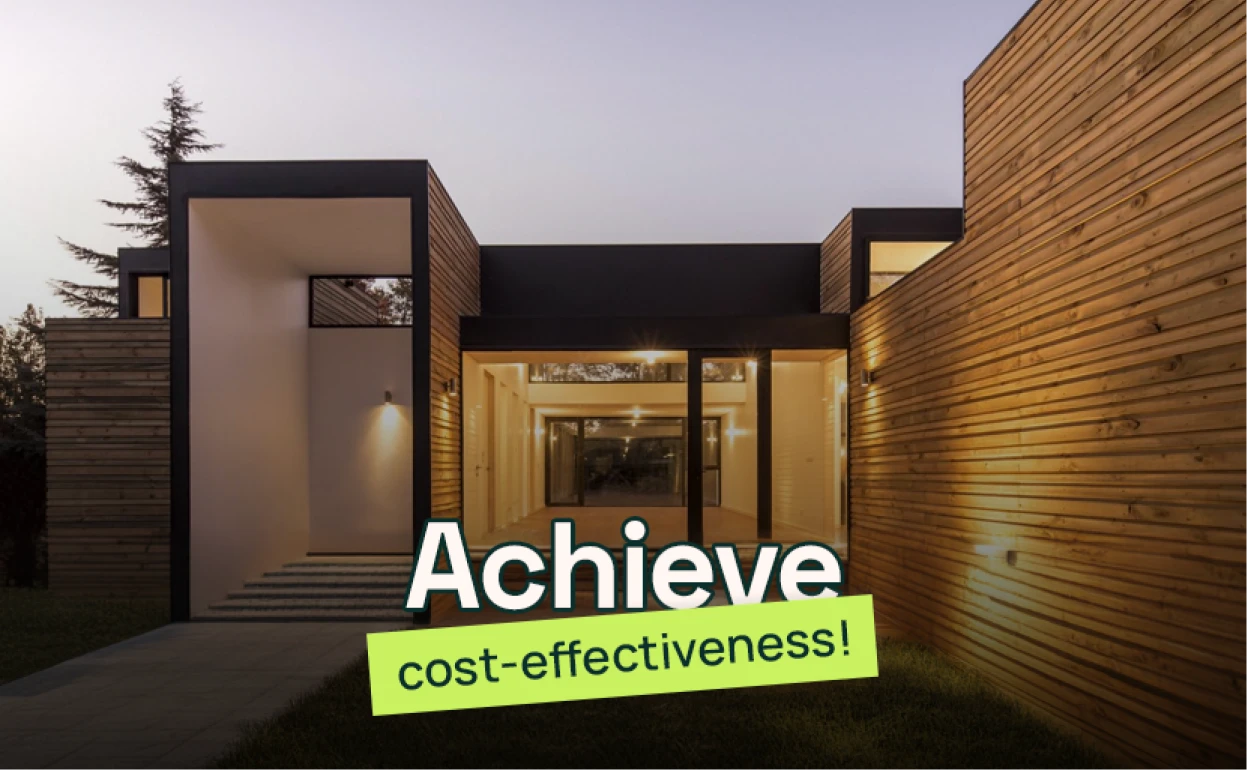
In today’s competitive landscape, architects leverage technology and outsourcing to achieve cost-efficiency. This can take many forms:
3D Modeling and BIM Software
Advanced software like Revit, ArchiCAD, and SketchUp Pro allow architects to create detailed and intelligent 3D models of their designs. These models go beyond simple visuals, incorporating materials, specifications, and structural integrity data. This enables architects to identify potential problems early in the process, avoiding costly rework later. Cloud-based platforms like BIM 360 facilitate collaboration and enable architects from different locations to work on the same project simultaneously, reducing the need for travel and streamlining communication.
Outsourcing Drafting and Rendering Services
Specialized firms can handle the technical aspects of drawing creation and visualization, freeing up in-house architects to focus on the creative aspects of the design. This can be particularly beneficial for smaller firms or those with tight deadlines. Outsourcing firms can also provide expertise in specific areas, such as creating high-quality renderings or completing complex construction drawings.
International Outsourcing
Architectural firms can leverage the expertise of architects located in different parts of the world. This can be a cost-effective solution, as labor rates can vary significantly from country to country. However, it’s important to choose an outsourcing partner with a strong understanding of local building codes and regulations and a clear communication strategy to bridge any cultural divides.
The Future of Commercial Architecture
The future of commercial architecture is bright and brimming with possibilities. Here’s what we can expect:
Focus on User Experience
Buildings will be designed with the user experience at the forefront. This means prioritizing employee well-being and tenant satisfaction. Flexible workspaces, collaboration break-out areas, and amenities promoting physical and mental health will become increasingly common.
Hyper-Connectivity and Smart Buildings
We can expect a seamless integration of technology into the very fabric of commercial buildings. These “smart buildings” will utilize data to optimize energy usage, control lighting, and temperature, and even monitor air quality. Internet of Things (IoT) devices will also allow for connected building experiences, providing occupants with greater control over their environment.
Community Hubs
Commercial spaces will go beyond simply housing businesses. They will be designed to foster a sense of community, offering shared amenities, public areas, and even green spaces. This will create a more vibrant and engaging urban environment.
Adaptive Reuse Continues
Existing structures will continue to be repurposed for new commercial uses. This trend aligns with sustainability goals and allows architects to get creative and breathe new life into older buildings. Heritage buildings can be particularly well-suited for adaptive reuse, preserving the past while accommodating the present needs.
Grow your team and reduce costs with WorldTeams.
Download our FREE guide to learn how!
Build Your Vision with WorldTeams
The world of commercial architecture is constantly evolving, driven by a desire to balance creativity, functionality, and cost-effectiveness. By embracing sustainable practices, integrating technology, and prioritizing user experience, architects are shaping the future of our cities. Outsourcing architectural services can play a key role in achieving these goals, allowing architects to tap into a wider talent pool and streamline their workflows. As commercial architecture continues to push boundaries, we can expect even more innovative and inspiring spaces that enhance how we work, live, and interact in our urban environments.
Here’s why partnering with WorldTeams is the smartest move for your Commercial Architecture project:
Top 3% of Talent
We connect you with the cream of the crop. Our rigorous selection process ensures you have access to architects who consistently deliver exceptional results.
Cost-Effective Solutions
Building a dream home shouldn’t break the bank. WorldTeams offers competitive rates, ensuring you get the best value for your investment.
Dedicated Support
You won’t be left navigating the project alone. A dedicated Account Manager and Core Coach will be by your side throughout the process, providing guidance and support at every step.
Seamless Communication
Communication is key. Our architects work within your time zone and are fluent in English, ensuring clear and efficient collaboration.
Cultural Understanding
Cultural nuances can significantly impact a home’s design. WorldTeams connects you with architects who understand and appreciate your cultural background, creating a design that reflects your unique identity.

With WorldTeams, you don’t just hire an architect; you gain a trusted partner dedicated to transforming your vision into a stunning and functional living space. Contact us today, and let’s build amazing things together!
Sources
- Value of construction put in place, U.S. Census Bureau (official data covering nonresidential construction).
- Sustainable management of construction and demolition materials, U.S. EPA (the waste stream behind the adaptive-reuse argument).
Frequently asked questions
Quick answers about what commercial architecture is, how projects control cost, and which trends are changing what these buildings are expected to do.
What is commercial architecture?
Commercial architecture is the design of buildings meant to host business activity, such as offices, retail, and hospitality, rather than private homes. Its defining constraint is that the design has to satisfy a commercial brief, a budget, and a return, at the same time as it has to work as architecture.
How do commercial projects control cost without losing design quality?
Three levers recur. Modular construction moves repetitive work into a factory, adaptive reuse takes an existing structure instead of building from zero, and technology reduces rework by catching problems before they reach the site. Our guides to prefabricated houses and adaptive reuse cover how factory-built components and building conversion actually work.
What is adaptive reuse in commercial architecture?
Adaptive reuse is converting an existing building to a new use rather than demolishing and rebuilding. It keeps the embodied material of the original structure in service, which is both a cost argument and an environmental one, since construction and demolition debris is one of the largest waste streams in the sector.
What trends are shaping commercial design?
Sustainability has moved from a feature to a baseline expectation, biophilic design brings daylight, planting, and natural materials into the interior because of their effect on the people using the building, and technology integration is changing how a commercial space is operated once it opens. Our article on biophilic architecture covers the second in detail.
How does technology reduce cost on a commercial project?
By catching problems before they reach the site, where fixing them is most expensive. The article puts technology alongside modular construction and adaptive reuse as the third lever, because rework is one of the largest avoidable costs in commercial delivery.
How do firms add capacity for commercial projects?
Commercial work arrives in large, documentation-heavy packages, which is where local hiring is slowest to respond. Firms can add remote architects, drafters, and modelers for the duration of a project through architecture outsourcing, with onboarding in 72 hours and savings of 50% compared with hiring in the U.S.